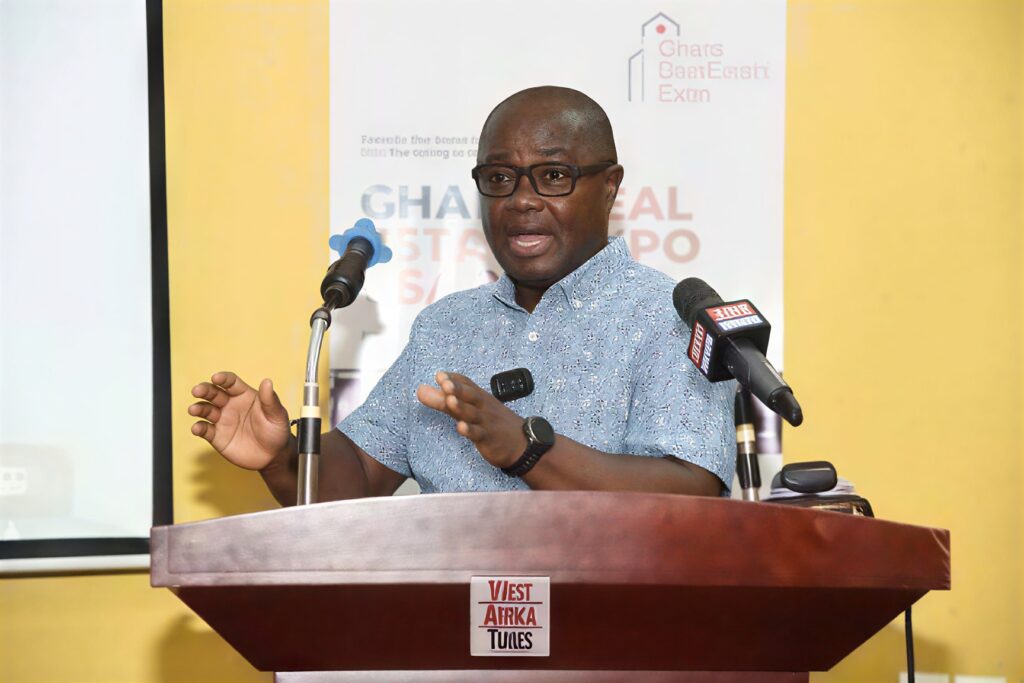
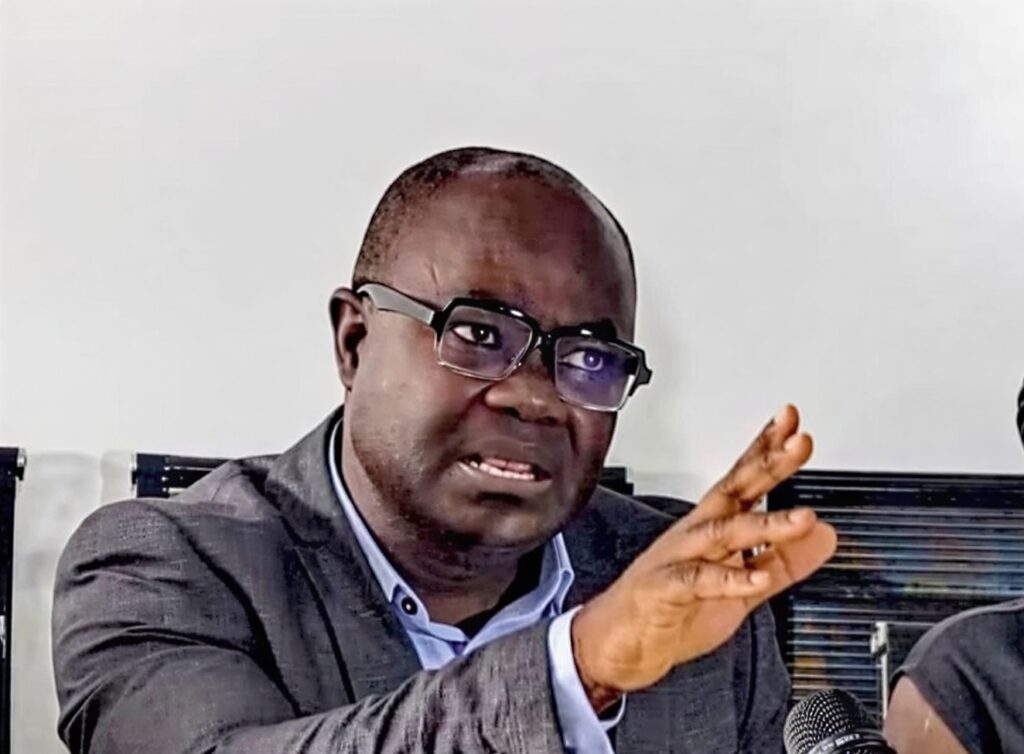
The General Secretary for The Traders Advocacy Group Ghana, Nana Poku, has argued that relocating traders to satellite markets does not by itself fulfil the objectives of the government’s 24-hour economy policy. He explained that the policy should be treated as a comprehensive economic programme with market redevelopment forming only one part of its implementation.
Mr Poku questioned the decision to give traders a one-month period to move from the Agbogbloshie area for the proposed market development. He maintained that traders should first be engaged on the design, location and viability of any alternative market before relocation takes place.
The Traders Advocacy Group General Secretary explained that a 24-hour economy should contain several activities designed to stimulate production, commerce and services throughout the day. From his view, market redevelopment can contribute to the policy when it is properly planned and connected to the wider economic objectives.
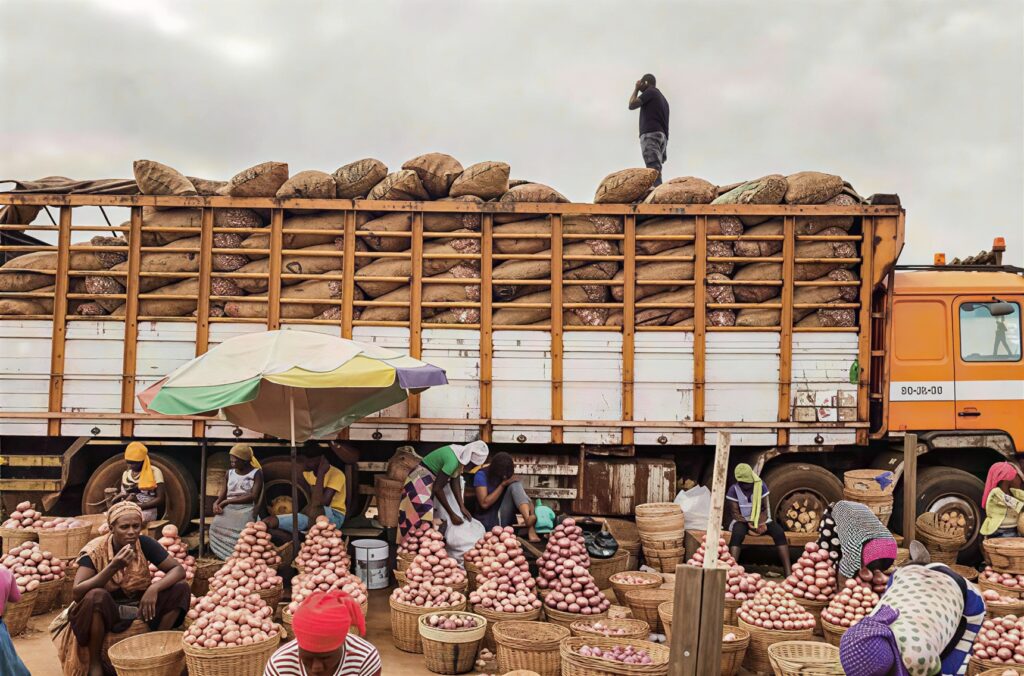
He argued that Accra already faces severe pressure on available commercial space, making proper utilisation of existing areas essential. According to him, feasibility assessments should determine how undeveloped portions of existing markets can be developed to accommodate traders who currently operate along roads and other congested areas.
The availability of space, he added, should therefore form part of the solution to the city’s trading challenges. He suggested that better planning could allow traders to operate from properly organised locations while enabling authorities to improve revenue collection.
“If proper structures are being put together, I bet you that we can put all these people inside instead of them being on the street.”
Nana Poku
Mr Poku further argued that previous market developments have sometimes failed to accommodate the number of traders who depend on those facilities. As a result, traders who are moved away from established commercial centres could eventually return to the streets when alternative locations fail to attract customers.
The viability of satellite markets consequently emerged as a major issue in his assessment. He explained that traders consider customer traffic, accessibility and commercial activity when deciding where to operate.
Referencing experiences from other countries, the General Secretary pointed to structured markets in China as an example of how commercial activities can be organised. He explained that properly planned markets can provide locations for traders while also making it easier for authorities to identify businesses and collect applicable taxes.
The proposed approach therefore requires closer engagement with organised trader groups, he added. Town executives appointed by government, in his view, should work directly with trading organisations because traders possess practical knowledge of the conditions required for successful commercial activity.
Mr Poku argued that traders understand the movement of customers and the factors that determine whether a market becomes commercially successful. He therefore urged authorities to incorporate that knowledge into the planning process before decisions on relocation are implemented.
Consultation Key To Making New Markets Work for Traders
The proposed redevelopment of the Agbogbloshie area has also renewed calls for wider consultation between government, the Accra Metropolitan Assembly and organised traders. Mr Poku argued that public authorities should engage those directly affected before final decisions are taken on new market infrastructure.
Addressing the proposed market, he acknowledged that government has a responsibility to develop infrastructure and respond to problems affecting commercial activity. He explained that the responsibility also requires authorities to understand the needs of traders before determining the form and location of new facilities.
The General Secretary therefore urged the government to separate infrastructure development from political considerations. In his assessment, successful projects should be measured by their ability to solve existing problems and support economic activity over time.
“They shouldn’t make it political. They should consult widely, and we will give them the insights that are needed.”
Nana Poku
Consultation, he explained, could provide policymakers with information about the practical challenges traders encounter each day. Such engagement could also help authorities identify the type of facilities required to accommodate traders and attract customers.
Another important issue is the difficulty of identifying traders for tax purposes when commercial activities take place along roadsides. Mr Poku explained that the lack of organised locations makes it difficult for the Ghana Revenue Authority to identify businesses and expand the tax base.
Properly developed markets, he suggested, could therefore provide benefits extending beyond the traders themselves. They could create identifiable business locations while giving state agencies a clearer system for administering taxes and other regulatory requirements.
The discussion also touches on the ability of new markets to generate sustained commercial activity. Mr Poku indicated that traders would require locations where customers are willing and able to visit before abandoning established trading areas.
Consequently, market planning needs to consider transport, accessibility, customer movement and the commercial habits of residents. A facility that lacks these features could struggle to attract traders even when it offers modern infrastructure.
The General Secretary also called for the involvement of leaders of trading organisations throughout the planning process. Their participation, he explained, could help bridge the gap between government plans and the practical realities of market operations.
The proposed Agbogbloshie redevelopment therefore presents an opportunity to address several challenges within Accra’s trading environment. For the Traders Advocacy Group Ghana, the process should combine infrastructure development with consultation, commercial planning and a workable transition arrangement for affected traders.
READ ALSO: AI Adoption in Ghana Must Balance Innovation And Trust