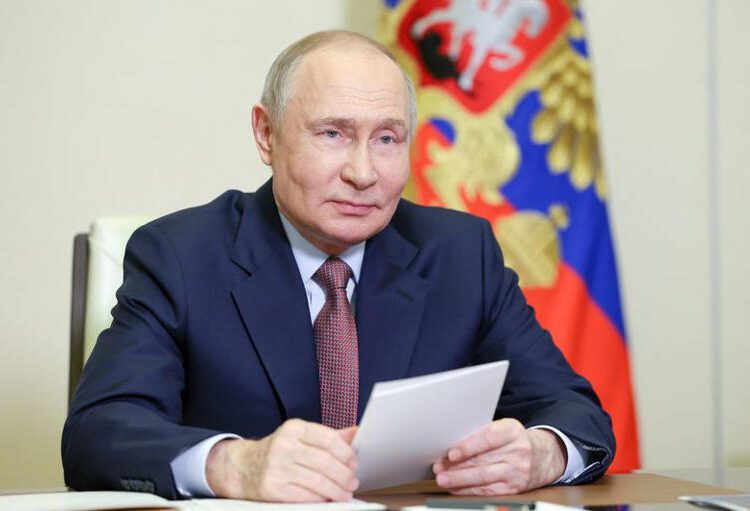
Russian President Vladimir Putin has threatened retaliation against Western countries over the seizure of commercial vessels linked to Russia, accusing them of engaging in “piracy.”
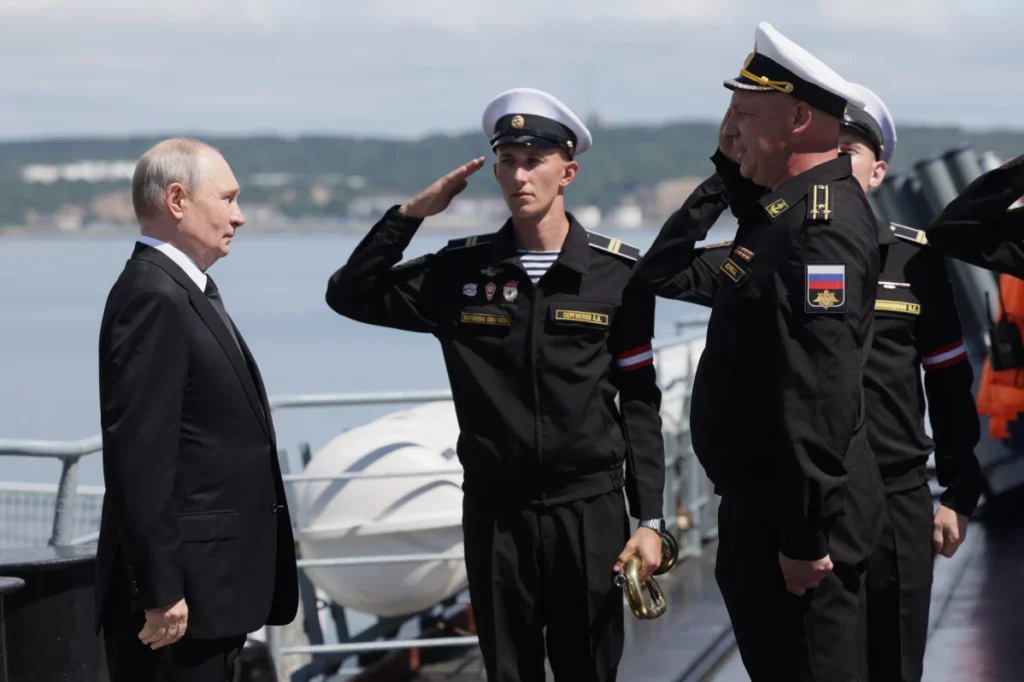
Putin made the remarks during a visit to a Russian warship participating in a naval exercise in the Pacific. He said that the detention of Russian-linked commercial vessels violated international maritime law and warned that Russia would respond if such actions continued.
“It’s nothing but piracy and robbery. If this is done, we will be forced to respond in kind.”
Vladimir Putin
The Russian President indicated that any response would not necessarily take place in the same waters where Russian vessels had been seized. He said that Moscow could act “in any area where we see it as necessary and appropriate,” including the Pacific.
The warning comes amid growing tensions over Western efforts to target vessels believed to be part of Russia’s so-called shadow fleet, a network of ships that Moscow is accused of using to circumvent sanctions imposed following its invasion of Ukraine in February 2022.
Russia is believed to operate or rely on hundreds of vessels to transport goods, particularly oil, while attempting to evade restrictions imposed by Western governments. France and the United Kingdom have detained tankers suspected of belonging to Russia’s shadow fleet and carrying Russian oil in violation of international sanctions. The European Union has also imposed sanctions on hundreds of vessels accused of helping Russia evade restrictions.
Against this backdrop, Russia has increasingly deployed naval vessels to escort its commercial ships, adding a military dimension to the dispute over maritime sanctions enforcement.
During Putin’s visit, Pacific Fleet Chief Admiral Viktor Liina told the President that Russia’s navy was prepared to begin inspecting commercial vessels serving what Moscow describes as “unfriendly nations.”
Liina said many ships operated by British, French and other European carriers sail under the flags of other countries, a practice known as using “flags of convenience.” Russia has argued that such arrangements can make it more difficult to determine the ownership and affiliation of vessels.
“We have enough assets for inspection and detention of vessels of the unfriendly nations and their shadow fleet. We are ready to start performing the task.”
Viktor Liina
The remarks suggest that Moscow is considering a more direct naval role in responding to Western maritime sanctions and the detention of vessels connected to Russia.
Medvedev Calls For Symmetrical Response
Russia’s Security Council Deputy Chairman, Dmitry Medvedev went further, arguing that Moscow could adopt what he described as a symmetrical response against merchant vessels belonging to countries Russia considers hostile.

Medvedev pointed to the use of flags of convenience by European shipping companies, saying that similar practices are used by Russian carriers.
“It means that by applying a symmetrical approach, which is only fair, Russia has the right to attack any merchant vessel belonging to hostile nations, whether in our waters or in neutral waters, provided there are reasonable grounds to suspect it is carrying cargo in the enemy’s interest, and that applies to any cargo.”
Dmitry Medvedev
He said that there were “a great many such vessels” and claimed that Russia’s military could expand operations beyond the Black Sea. The comments raise the possibility of a broader confrontation between Russia and Western countries over commercial shipping and the enforcement of sanctions.
The Black Sea has already become a major arena of military activity since Russia launched its full-scale invasion of Ukraine, but Putin’s reference to the Pacific indicates that Moscow could seek to extend its response beyond the region most directly affected by the war.
The dispute also highlights the growing importance of Russia’s shadow fleet to its ability to continue exporting commodities despite Western restrictions. The vessels have become a focus of international efforts to enforce sanctions, with governments seeking to identify and restrict ships suspected of transporting Russian oil and other sanctioned goods.
The Russian President’s comments, combined with the Pacific Fleet’s stated readiness to inspect and detain vessels, indicate that maritime sanctions enforcement could become another point of confrontation between Moscow and Western governments. For countries enforcing sanctions against Russia, the threat introduces an additional security concern as naval forces become increasingly involved in monitoring and protecting commercial shipping.
The possibility of Russian retaliation also raises questions about the safety of merchant vessels operating in international waters, particularly if Moscow were to act on Medvedev’s suggestion of targeting ships suspected of carrying cargo in the interests of countries Russia considers hostile.
READ ALSO: Thailand Moves to Tighten Gun Laws