The Ghanaian cedi could gain further ground against the US dollar in the coming days if improving dollar supply and easing foreign exchange demand persist, according to financial market expert and President of Women in Forex Ghana, Ms Gifty Annor-Sika Asantewah.
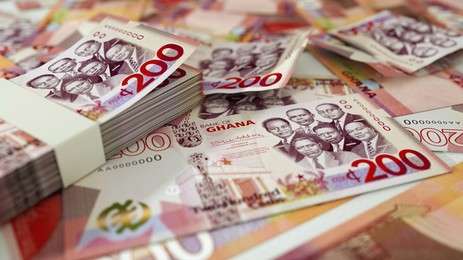
The local currency recorded four consecutive days of gains between Tuesday, August 11 and Friday, August 14, 2026, marking a notable turnaround after coming under considerable pressure earlier in the month.
Indicative rates from some commercial banks showed the dollar trading around GH¢11.30, while Bloomberg data placed the rate at approximately GH¢10.96. The Bank of Ghana was quoting the dollar at about GH¢10.98.
The latest development represents a significant improvement from earlier August, when some commercial banks were selling the US dollar above GH¢12.
In an exclusive interview with The Vaultz News, Ms Asantewah provides her interpretation of the cedi’s recovery, the changing balance between dollar supply and demand, the role of the Bank of Ghana and what could determine the currency’s next direction.
Cedi Recovery Reflects Changing Forex Conditions
Asked how she interprets the cedi’s recent appreciation, Ms Asantewah said the development should be viewed within the broader dynamics of supply and demand in Ghana’s foreign exchange market.
“What we are seeing is not simply a sudden strengthening of the cedi. It is a reflection of changing conditions in the foreign exchange market. Dollar supply appears to be improving at the same time that some of the intense demand pressure we saw earlier has started to ease.”
Ms Gifty Annor-Sika Asantewah
She explained that currencies respond strongly to imbalances between available foreign exchange and the demand for it.
According to her, when businesses, investors and other market participants aggressively seek dollars while supply remains limited, the cedi naturally comes under pressure. However, when dollar availability improves and demand moderates, the pressure can reverse.
“This is why the recent movement is significant,” she said in the simulated interview. “The market is beginning to show signs of greater balance, and that balance is giving the cedi room to recover.”

Lower Dollar Bids Send Strong Market Signal
One of the most important developments highlighted by the expert is the outcome of recent Bank of Ghana foreign exchange auctions.
On Tuesday, August 11, the central bank offered US$125 million to commercial banks, but total bids amounted to only US$85 million.
A similar situation occurred on Thursday, August 13, when the Bank of Ghana again offered US$125 million, while commercial banks submitted bids totalling US$94 million.
Ms Asantewah believes the relatively lower demand provides an important indication of changing market sentiment.
“When the central bank makes US$125 million available and the market only bids for US$85 million, that tells you something about immediate dollar demand. It does not mean that businesses no longer need foreign exchange, but it suggests that the urgency we previously witnessed may be declining.”
Ms Gifty Annor-Sika Asantewah
She added that the trend would become more meaningful if it continues across subsequent auctions.
“If we see this pattern repeatedly, then the market would have stronger evidence that dollar demand is cooling,” she noted.
BoG Interventions Supporting Market Stability
The financial market expert also pointed to the role of the Bank of Ghana’s interventions in supporting the cedi.
The central bank’s supply of foreign exchange to commercial banks can help reduce shortages and prevent excessive demand from creating disorderly movements in the exchange rate.
“The Bank of Ghana’s interventions are important because they provide liquidity when the market needs it. The objective should not necessarily be to force the cedi to a particular level, but to ensure that the market has adequate foreign exchange to function efficiently.”
Ms Gifty Annor-Sika Asantewah
She cautioned, however, that interventions should complement broader market fundamentals.
In her view, sustained currency stability would ultimately depend on Ghana’s ability to generate foreign exchange through exports, investment inflows, remittances and other sources.
Extractive Sector Inflows Could Strengthen Cedi
Ms Asantewah also identified inflows from Ghana’s extractive sector as another factor that could support the local currency.
The mining and petroleum sectors remain important sources of foreign exchange for the country, making developments in these industries particularly relevant to currency stability.
“When foreign exchange inflows from the extractive sector increase, they can provide meaningful support to the domestic currency. These inflows can improve liquidity and reduce the extent to which the market depends on central bank intervention.”
Ms Gifty Annor-Sika Asantewah
She added that offshore investors purchasing local bonds could also contribute to the improved supply of dollars.
“If offshore investors are converting foreign currency into cedis to purchase domestic assets, that creates additional demand for the local currency,” she explained.
Can the Cedi Continue Its Recovery?
The central question for businesses and investors is whether the cedi’s latest gains can continue.
Ms Asantewah believes further appreciation is possible, but she stressed that the outlook depends on whether the underlying conditions supporting the recovery remain intact.
“I would say there is room for the cedi to gain further ground, but we should not interpret four consecutive days of appreciation as a guarantee of a one-way movement. The foreign exchange market can change quickly.”
Ms Gifty Annor-Sika Asantewah
She said sustained dollar inflows, subdued corporate demand and continued market liquidity could create a supportive environment for the cedi.
However, renewed demand for dollars, external shocks or a reduction in foreign exchange inflows could quickly reverse some of the gains.
Businesses Urged to Avoid Panic Buying
The expert further advised businesses that require dollars for imports and other transactions to make decisions based on their actual foreign exchange needs rather than speculation.
“Businesses should avoid panic buying simply because the exchange rate moved sharply in one direction. If demand is being driven by fear rather than genuine transactions, it can actually contribute to unnecessary pressure on the currency.”
Ms Gifty Annor-Sika Asantewah
She said companies should improve their foreign exchange planning, especially where payments are predictable and can be scheduled ahead of time.
Market Watching for Confirmation
Ms Asantewah concluded that the coming weeks would be crucial for determining whether the cedi’s recovery represents a temporary correction or the beginning of a more sustained period of stability.
“The market will be watching three things very closely: the availability of dollars, the level of demand from businesses and investors, and the Bank of Ghana’s ability to maintain orderly foreign exchange conditions.”
Ms Gifty Annor-Sika Asantewah
She added that continued evidence of weaker dollar demand would strengthen the case for further cedi gains.
“Ultimately, the cedi does not need extraordinary support if the underlying market balance improves,” she said. “If supply continues to strengthen while demand cools, the currency could gain further ground.”
In the meantime, the cedi’s four-day winning streak has provided a fresh signal that conditions in Ghana’s foreign exchange market may be changing. Whether that momentum develops into a sustained recovery will depend on the durability of dollar inflows, demand conditions and monetary policy support.
READ ALSO: COCOBOD Equips Regional Managers to Counter Misinformation on New Bill