
The third edition of Ghana International Horticulture Expo 2026 is set to take place from 3rd to 5th September 2026, at the Palms Convention Centre, La Palm Royal Beach Hotel, Accra.
The Expo will be held under the theme “From Soil to Sovereignty: Building Ghana’s Agricultural Self-Reliance.”
The organizers say the focus this year is to deepen local production, strengthen value chains, and position Ghana as a competitive player in the global horticulture market. The 3day event is expected to convene a wide range of stakeholders across the agriculture value chain. These include farmers, exporters, processors, investors, financial institutions, technology companies, policymakers, and international buyers. The mix, organizers note, is deliberate to connect the people who grow, the financers, those involved in production processes, and the people who buy. Speaking ahead of the Expo, FAGE President Mr. Davies Narh Korboe said the platform will be critical in bridging gaps that have long limited Ghana’s horticulture growth.
“The importance of connecting producers to buyers, processors, investors and new markets cannot be overstated, for too long, our farmers have produced quality fruits, vegetables and herbs but struggled to access the right markets and financing.’’
Mr. Narh

Also speaking on the upcoming Expo, GEPA CEO Francis Kojo Kwarteng Arthur, Esq. emphasized the strategic role of horticulture in Ghana’s broader trade agenda.
“Horticulture has enormous potential to contribute to Ghana’s export diversification agenda as we work to reduce over-reliance on traditional exports, non-traditional products like fruits, vegetables, flowers and spices offer a clear pathway to increased foreign exchange earnings and job creation.”
Mr. Arthur
According to GEPA, Ghana’s non-traditional export sector has seen steady growth, but horticulture remains one of the areas with the most room for expansion, particularly in value added products and meeting international standards.
What to Expect at The Expo?
The 2026 edition has been designed as more than just an exhibition. Organizers have lined up a full program that blends trade, learning, and deal making. Hundreds of exhibitors are expected to showcase fresh produce, processed foods, packaging solutions, and inputs. Both local and international companies will use the platform to display innovations aimed at improving yield and quality.
Moreover, Business-to-Business sessions will allow farmers and exporters to meet directly with buyers from Europe, the Middle East, and within Africa. Organizers say business matchmaking will be facilitated to ensure participants leave with concrete leads. Financial institutions and investors will be present to discuss funding options for expansion, cold chain infrastructure, and processing plants.
There will also be sessions on grants, loans, and public to private partnerships. Agritech Innovations Technology companies will demonstrate tools ranging from smart irrigation and soil testing to traceability systems and digital marketplaces. The goal is to help farmers adopt practices that improve productivity and meet export requirements.
Also, policy and technical panel discussions will tackle some of the biggest challenges facing the sector. The various topics include financing, standards and certification, packaging, logistics, value addition, and market access. Regulatory agencies are expected to participate to clarify compliance requirements for exporters.
Why The Theme Matters Now?
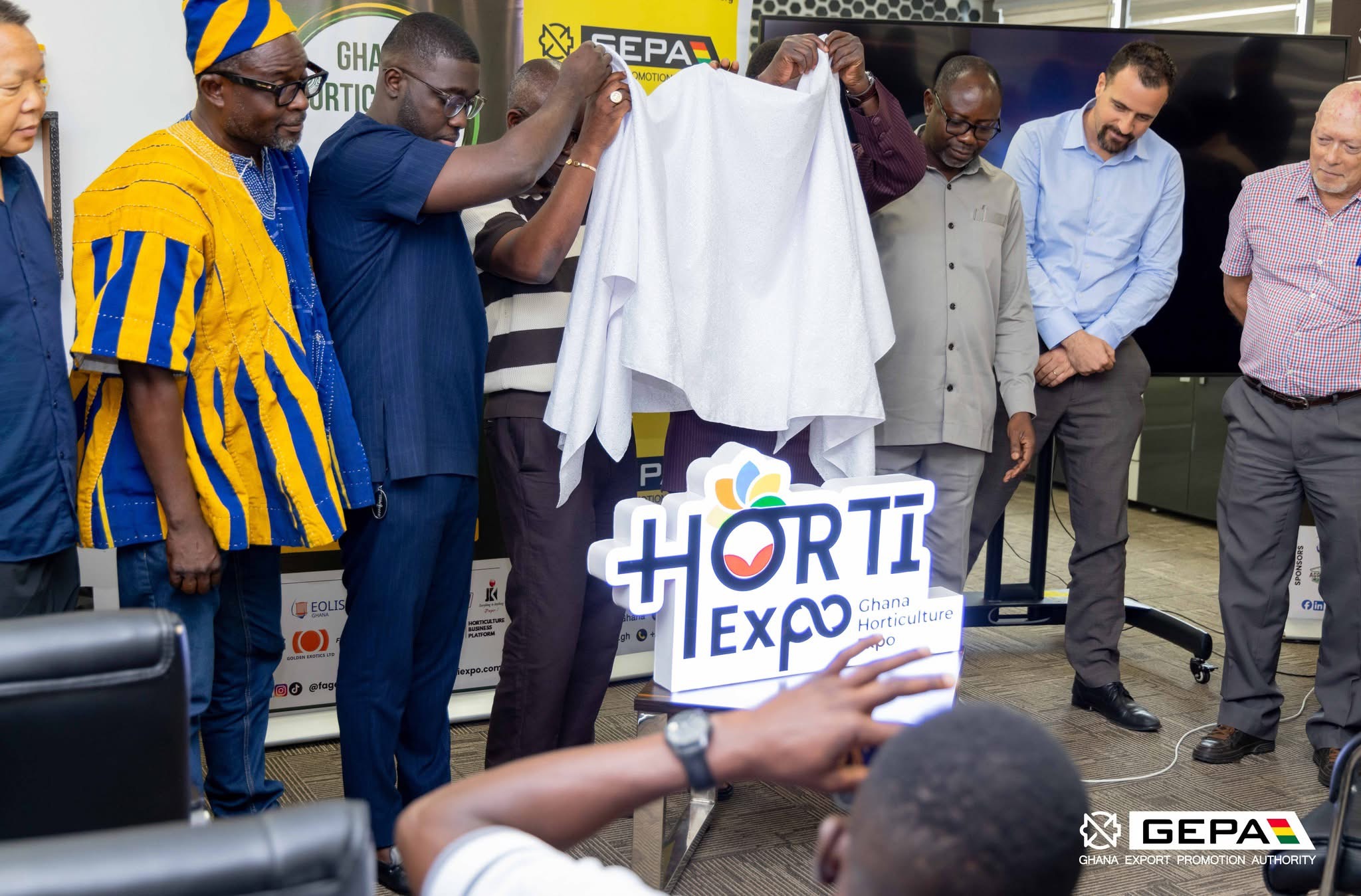
The theme, “From Soil to Sovereignty,” reflects a growing push for Ghana to rely less on food imports and more on domestic production and processing. With global supply chain disruptions and rising food costs in recent years, policymakers have stressed the need to build resilient food systems. Horticulture is seen as a key pillar in that effort that the sector employs thousands of people and has the potential to generate significant export revenue while also supplying local markets with nutritious foods.
This is good for the industry players as it comes at a time when Ghana is negotiating new trade agreements and seeking to take full advantage of the African Continental Free Trade Area (AfCTA) and the access to new markets. The success of this initiative will depend on quality, consistency, and the ability to meet international standards of all the areas the Expo aims to address.
Moreover, building on the previous editions of the Expo, laid the groundwork by bringing visibility to the sector and facilitating several businesses. The event is not being hosted to meet the needs of the industry and every meeting is designed to lead to a business transaction an investment or a policy insight that moves the sector forward.
The Expo is open to all players in the horticulture ecosystem. Farmers looking for markets, processors seeking raw materials, investors scouting for opportunities, students and researchers interested in agritech, and policymakers shaping the regulatory environment are all encouraged to participate. International buyers have also confirmed interest, with delegations expected from key export destinations.
The organizers promise to give Ghanaian producers direct exposure to global demand trends. As September approaches, stakeholders across the sector are positioning themselves to take advantage of the platform.
For many, the Expo represents a chance to move from subsistence to scale, from local to export, and from potential to profitability. With the backing of industry bodies like FAGE and trade agencies like GEPA, the Ghana International Horticulture Expo 2026 is shaping up to be a defining moment for the country’s drive toward agricultural self-reliance.