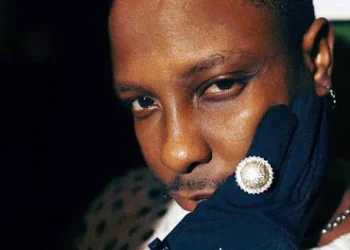
Ghanaian traditional musician and kologo virtuoso King Ayisoba has publicly appealed to the government to appoint him as an official Fugu Ambassador, citing decades of consistent promotion of the traditional northern Ghanaian smock both at home and on international stages.
Widely reported in mid-August 2026, the award-winning artist argued that his long-standing association with the garment makes him a natural choice for the role. “In Ghana, everyone knows that when it comes to Fugu, I am the ambassador. I have worn and promoted Fugu across all over the world. I want the authorities to also say King Ayisoba deserves to be Fugu ambassador,” he stated.
Ayisoba further highlighted the distinctive nature of the smocks he wears, describing them as “sika fugu.” He noted that this particular style is unique and not commonly available, requiring special orders. “The kind of Fugu I wear is ‘sika fugu’. It’s not common. It’s unique and you can’t get it anywhere unless you order it. They should remember me,” he added.
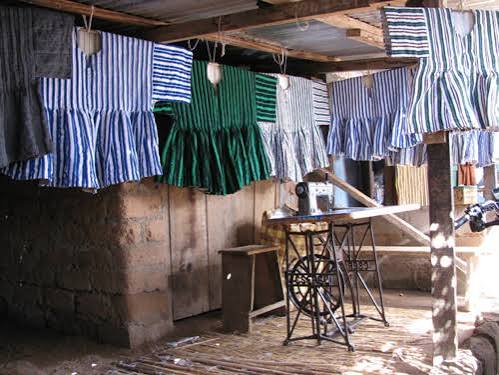
The call comes against the backdrop of a broader national campaign to elevate the status of the Fugu, also known as the batakari or smock. In February 2026, the Ministry of Tourism, Culture and Creative Arts declared every Wednesday as Fugu Day. The initiative encourages Ghanaians both in the country and in the diaspora to wear the traditional garment in its various styles as a way of celebrating cultural identity and heritage.
Tourism, Culture and Creative Arts Minister Abla Dzifa Gomashie has framed the promotion of Fugu as a means of revitalising Ghana’s weaving industry, creating jobs, supporting small businesses, and empowering artisans involved in weaving, dyeing, and trading. Complementary efforts have included the National Investment Bank’s Fugu Wednesday Wear Initiative, launched in Tamale, which aims to boost local textile producers, weavers, and fashion businesses.
Earlier in 2026, the ministry appointed fellow Ghanaian musician Noella Wiyaala as a Fugu Ambassador, recognising her consistent promotion of the smock and Ghanaian culture on local and international platforms. Ayisoba’s appeal positions him as seeking similar official recognition for his own contributions.
Throughout his career, King Ayisoba has been closely identified with traditional northern attire. The musician, born Albert Apoozore in the Upper East Region, rarely appears in Western-style clothing and has made the Fugu a signature element of his public image. He has performed in authentic handwoven smocks on stages across Europe, America, Asia, and Africa, using his international tours to showcase the cultural legacy of northern Ghana.
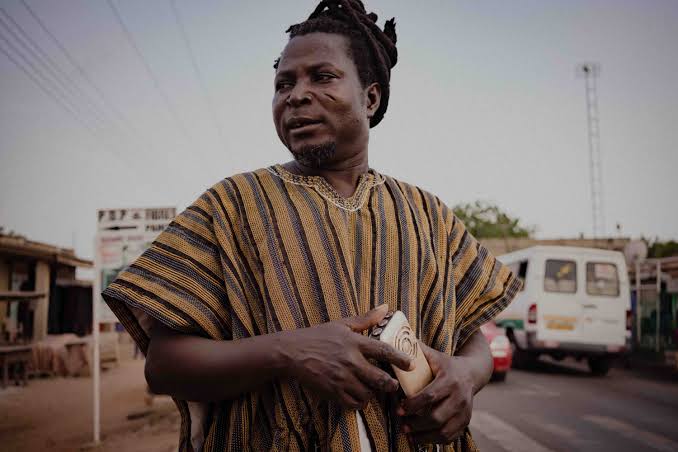
Ayisoba first gained widespread national attention with the hit song “I Want to See You My Father,” which won Most Popular Song at the Vodafone Ghana Music Awards. His music centres on the two-stringed kologo, blending indigenous Frafra sounds with contemporary influences.
Beyond the Music
Beyond music, he founded the Batakari Festival, an event dedicated to celebrating and promoting the fashion and cultural expressions of Upper East communities, well before the current wave of Fugu popularity.
Supporters of the artist have previously called for greater official recognition of his cultural advocacy. In earlier comments, media personality MC Portfolio urged the Ghana Tourism Authority to name Ayisoba an ambassador for the National Fugu Agenda, praising his consistency in projecting Ghanaian heritage through fashion and noting that he organised Batakari Festival events ahead of the broader trend.
The renewed emphasis on Fugu forms part of wider efforts to strengthen Ghana’s creative economy and cultural diplomacy. Officials have linked the campaign to tourism promotion, job creation in the textile sector, and the projection of national identity.
High-profile moments, such as President John Dramani Mahama presenting Fugu attire as gifts during state visits, have further elevated the garment’s visibility.
For Ayisoba, the request represents more than personal recognition. It underscores the role artists can play as cultural ambassadors who carry Ghanaian traditions onto global stages. His career has long intertwined music performance with visual representation of northern Ghanaian identity, making the Fugu inseparable from his artistic brand.
As the Fugu Wednesday campaign continues and the government seeks to expand economic opportunities linked to traditional textiles, Ayisoba’s appeal adds a prominent voice from the creative sector.
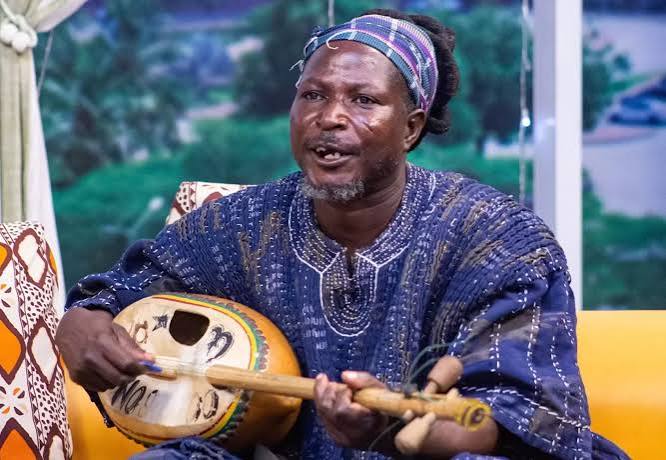
In the meantime, the veteran musician continues to embody the garment he champions. Through his performances, public appearances, and decades of consistent advocacy, King Ayisoba has already functioned as an unofficial ambassador for the Fugu.
His latest call seeks to turn that lived practice into an official designation that acknowledges his contributions to promoting one of Ghana’s most distinctive cultural symbols on the world stage.
READ ALSO: Peki SHTS Calls on Government Intervention Over Infrastructure Crisis