
Students and food lovers at the University of Ghana are in for a spicy treat this Friday as Maggi rolls out Jollof Showdown 2.0, a high-energy celebration of Ghana’s most beloved dish.
The event, part of the brand’s Dedeeede Taste of Ghana edition, is scheduled for 22 August 2026 at exactly 10 a.m. on the Legon campus. Organisers promise live cooking demonstrations, competitive games, freebies, and plenty of steaming jollof rice action.
Jollof rice occupies a special place in Ghanaian culture. More than a meal, it is a symbol of national pride, family gatherings, and the friendly (sometimes fierce) culinary rivalry with neighbouring Nigeria. Whether prepared for Sunday lunch, campus parties, or festive occasions, a well-made pot of jollof unites people across regions, ages, and backgrounds. Maggi, a long-standing presence in Ghanaian kitchens through Nestlé Ghana, has repeatedly tapped into this passion with events that celebrate the dish while showcasing its seasoning products.
Last year, Maggi staged similar Jollof Showdowns that pitted social media influencers against Nestlé staff in timed cooking battles. Contestants worked under pressure, often with mystery ingredients, using Maggi cubes and spices to create their best versions of the tomato-based rice dish. The 2025 editions, held around World Jollof Day, generated significant online buzz through short videos featuring popular creators.
Participants described vibrant atmospheres filled with music, dancing, and the irresistible aroma of frying onions, peppers, and tomatoes. Many highlighted how Maggi products helped elevate everyday cooking into something special.
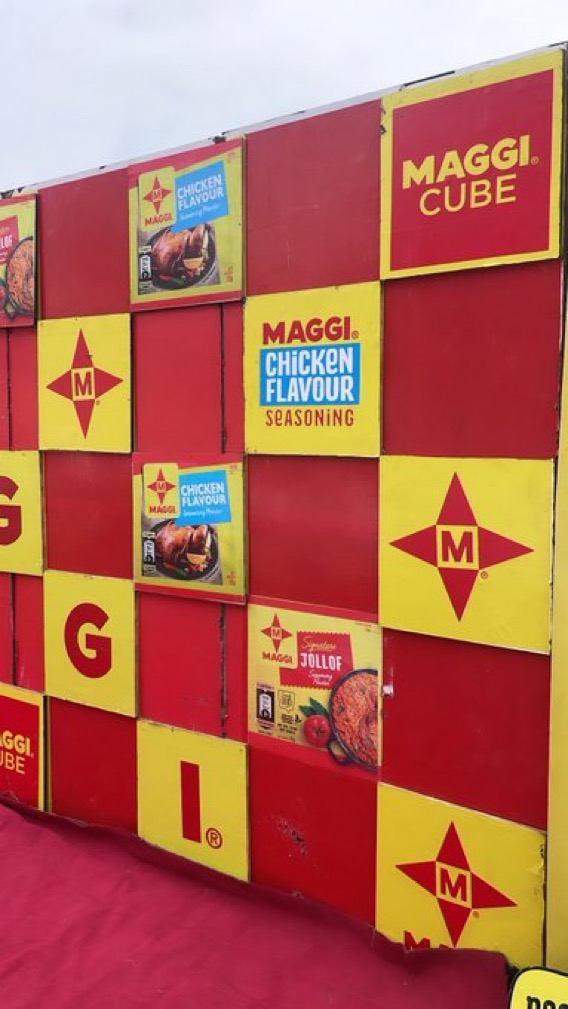
Jollof Showdown 2.0 builds on that foundation but shifts the focus to the university community. The University of Ghana, one of the country’s premier higher education institutions, hosts thousands of students who balance rigorous academics with vibrant campus life.
About the Event
Events like this offer a welcome break from lectures and exams, giving young people a chance to engage with food culture in a fun, interactive setting. The promotional materials feature a colourful plate of classic Ghanaian jollof served with grilled chicken, fried plantains, and coleslaw exactly the kind of satisfying meal that resonates with students.
Attendees can expect more than just watching chefs cook. Live cooking sessions will likely demonstrate techniques and tips for achieving the perfect balance of spice, smoke, and flavour that defines great jollof. Games and interactive activities are planned to keep the energy high, while freebies typical of Maggi activations could include product samples, branded merchandise, or hampers.
The “plenty of jollof action” promised in the announcement suggests opportunities for tasting, which is always a major draw.
This event also fits into Maggi’s broader Dedeeede Taste of Ghana campaign. The initiative has taken the brand across the country, from market visits and bus tours to stops at halls of residence and public spaces.
Activities often involve local personalities, cooking challenges judged by market women or community members, and direct engagement with consumers. By emphasising natural ingredients and rich flavour, Maggi positions its Dedeeede range as a reliable partner for home cooks seeking authentic taste.
University activations, such as previous appearances during hall weeks, have proven effective at connecting with younger audiences who will form the next generation of cooks and consumers.
For students at Legon, the timing is ideal. Late August falls within the academic calendar when campus is active, yet before the heaviest examination periods for many. A mid-morning start at 10 a.m. allows participants to enjoy the festivities without conflicting too heavily with class schedules.
Beyond the immediate fun, such activations serve a cultural purpose. They keep traditional dishes relevant in a fast-changing food landscape influenced by global trends, fast food, and social media recipes.
By framing jollof as both heritage and entertainment, Maggi and its partners reinforce the idea that Ghanaian cuisine is something to celebrate, experiment with, and share. The friendly competitive element—“showdown”—mirrors the light-hearted debates Ghanaians often have about whose jollof is superior, whether between regions, households, or countries.
Expectations for the day run high. Previous Maggi events have featured lively music, dancing, and communal tasting sessions that turn cooking into a social spectacle.
Freebies and games add an extra layer of excitement, especially for students looking for memorable campus experiences. The presence of professional or semi-professional cooking demonstrations may also offer practical takeaways—tips on spice ratios, the importance of a good base, or how Maggi seasonings can simplify flavour building without sacrificing authenticity.
As the date approaches, anticipation is building across social media platforms. For many, it represents more than free food or giveaways; it is a chance to participate in a shared cultural moment centred on a dish that defines Ghanaian identity for countless people.
Jollof Showdown 2.0 arrives at a moment when food events continue to gain popularity as community-building tools. From festivals to brand activations,
Ghanaians are increasingly gathering around the pot to celebrate, compete, and connect. Maggi’s decision to bring the heat to the University of Ghana places one of the country’s most iconic foods firmly in the heart of student life.
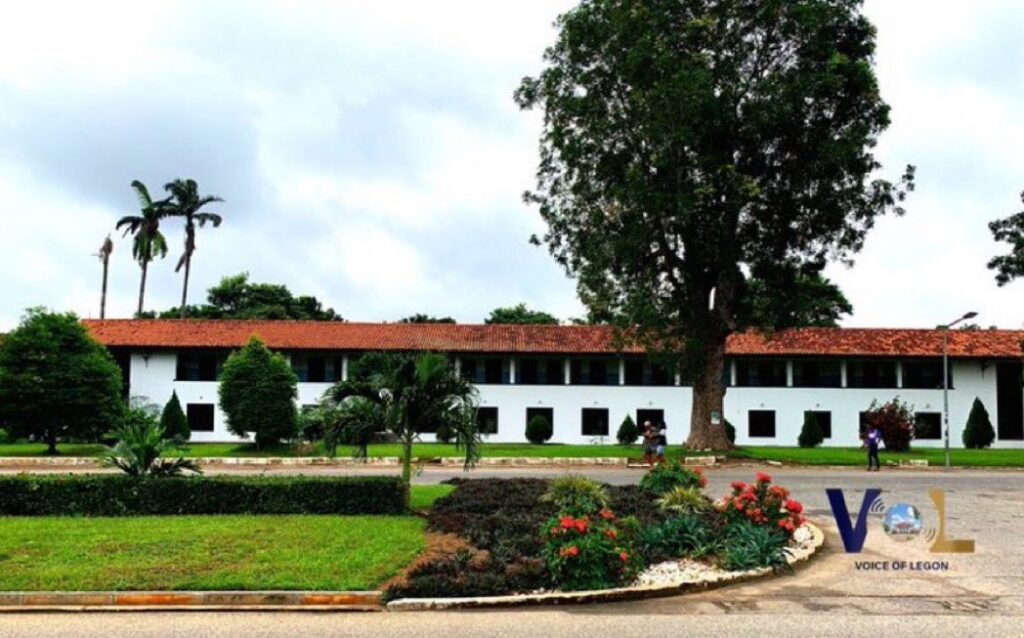
Students, staff, and food enthusiasts are encouraged to arrive early on Friday to secure good spots and fully enjoy the live cooking, games, and jollof offerings.
With the promise of flavour, fun, and freebies, the Legon campus is set to become the temporary capital of Ghanaian jollof for one memorable morning.
READ ALSO:Minister of Education Calls for Greater Focus on Foundational Learning