The Ghana Gold Board (GoldBod) has forcefully dismissed statements alleging that the state-backed gold regulatory entity carries an unpaid overdraft debt facility totaling GHS1 billion with the central bank.
According to official communication released by the regulatory organization, claims made by the Member of Parliament for Tano South, Hon. Dr. Gideon Boako, alleging that GoldBod remains indebted to the Bank of Ghana under a massive monetary extension is entirely fabricated.
The management of GoldBod categorized these financial claims as a baseless misrepresentation of its fiscal obligations, emphasizing that no such credit agreement or fiscal liability exists on the institution’s balance sheet.
“For the records, the GoldBod has never at any time since its establishment taken a loan, overdraft or any debt instrument from the Bank of Ghana or any financial institution whatsoever. The claim attributed to Dr. Gideon Boako is contrived and should be treated with utmost contempt. We entreat the MP to unequivocally retract and apologize for putting out this falsehood.”
Ghana Gold Board (GoldBod)

GoldBod reiterated that the financial assertion forms part of a calculated attempt to damage its operational integrity and public standing within Ghana’s extractive sector.
The state gold body clarified that since its inception, its financial administration has adhered to strict balance sheet management rules without relying on unapproved liquidity extensions or distress borrowing.
By directly addressing the claims put forward by Dr. Boako, the regulatory institution sought to reassure domestic stakeholders, international bullion trading partners, and local mining industry participants regarding its fiscal independence and operational transparency.
Contextualizing Political Scrutiny in Extractive Governance
To fully understand the necessity behind this public clarification, one must examine the sensitive nature of central bank financing and mineral board governance within Ghana’s economic structure.
Public discourse surrounding state-owned enterprises often intensifies during legislative reviews, where fiscal exposure, central bank overdraft facilities, and public sector debt obligations undergo thorough parliamentary oversight.
In recent years, public discussions regarding sovereign gold purchase schemes and artisanal mining regulation have elevated scrutiny over how state regulatory agencies finance their daily operations, commodity purchasing pools, and stabilization reserves.

When allegations involving a GHS1 billion central bank facility surface, they carry profound implications for fiscal stability, public sector transparency, and national debt accounting.
Allegations of unauthorized central bank monetization or unbacked overdraft extensions can trigger regulatory anxiety, raise red flags among sovereign credit monitors, and undermine foreign counterparty trust in institutional gold trade settlements.
Consequently, GoldBod’s rapid and unequivocal rebuttal was essential to nip financial speculation in the bud, prevent market distortion across the precious metals trading market, and protect the sovereign reputational equity of Ghana’s gold trading mechanism.
Accountability versus Political Smear in Mineral Sector Operations
In its official response issued by Media Relations Officer Prince Kwame Minkah under the leadership of Chief Executive Officer Samuel Gyamfi, ESQ., the board labeled the assertion as a “deliberate and malicious smear campaign.”
The statement emphasized that unverified claims targeting key revenue-generating institutions can destabilize investor sentiment and diminish confidence in state-backed mineral commercialization frameworks.
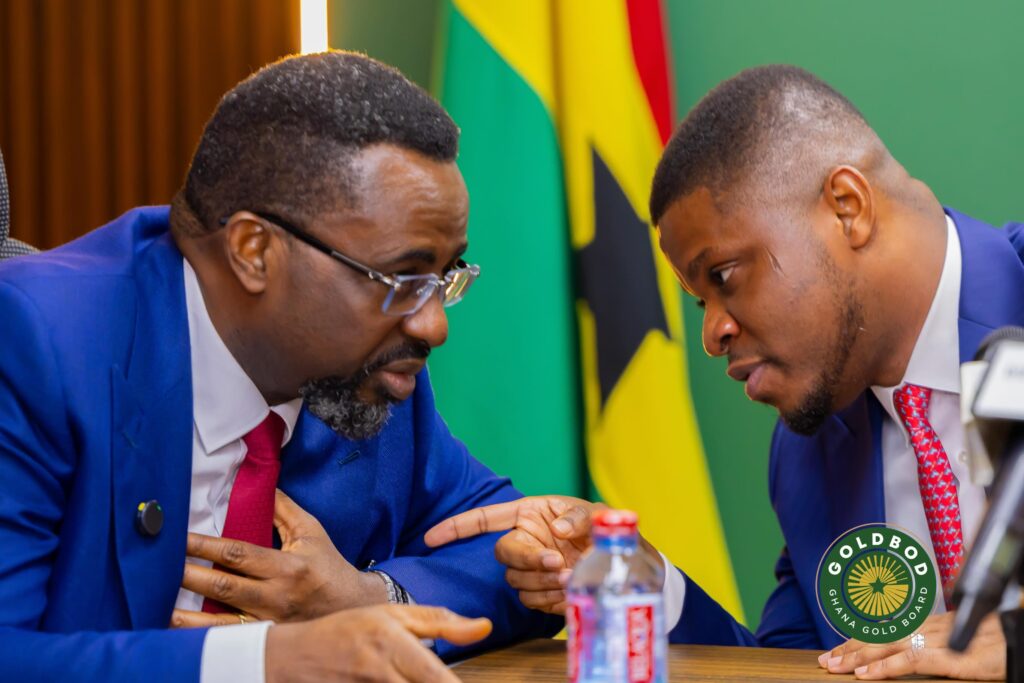
GoldBod insisted that democratic oversight and constructive parliamentary inquiry must strictly rely on verified audit figures, official financial statements, and factual balance sheet reporting rather than uncorroborated public declarations.
By calling for an immediate retraction and formal apology, GoldBod aims to establish a firm precedent regarding public statements made by political officeholders about state extractive entities.
The board noted that regulatory credibility in the international precious metals’ ecosystem relies heavily on financial discipline and clear governance protocols.
Propagating unfounded assertions regarding massive sovereign debt exposures risks placing unwarranted pressure on Ghana’s broader monetary stability goals and central bank fiscal relations.
Institutional Stability and Future Outlook for Gold Regulation
Moving forward, maintaining operational clarity remains critical as GoldBod continues to execute its mandate of streamlining small-scale mining purchases, curbing illicit gold smuggling, and strengthening foreign exchange reserves through structured gold purchasing programs.
For a regulatory agency tasked with formalizing small-scale gold channels and optimizing national bullion value addition, maintaining an unblemished financial record is essential for negotiating favorable trade agreements with global refiners and institutional commodity buyers.

Industry analysts note that as debate over state-led gold purchasing models continues, clear division between factual legislative scrutiny and partisan political positioning will be necessary to safeguard the extractive ecosystem.
GoldBod has reaffirmed its commitment to maintaining open, transparent reporting channels while upholding rigorous accounting principles.
Stakeholders across the mining and financial sectors will be watching closely to see whether the Tano South legislator responds to the demand for a formal apology or provides secondary documentation to support his initial legislative claims.
READ ALSO: Netflix Revives A Different World for September 24 Premiere