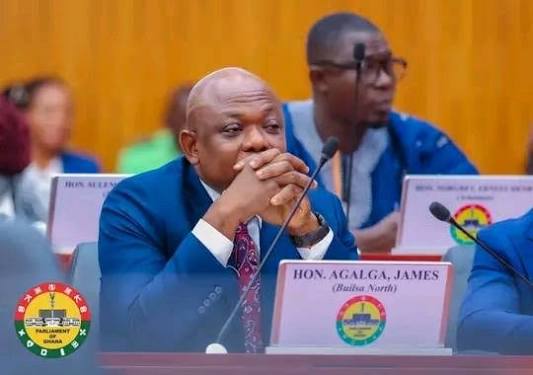
The Member of Parliament for Builsa North and Incoming Majority Leader, Honourable James Agalga, has disclosed that he has been formally introduced to the Majority Caucus as the person selected to succeed Honourable Mahama Ayariga as Majority Leader. He explained that the transition would become official after Mr Ayariga completes his vetting for the position of Minister for Local Government, Chieftaincy and Religious Affairs and formally exits the leadership position in Parliament.
The announcement marks a significant stage in the leadership transition within the Majority Caucus, with the incoming leader receiving overwhelming endorsement from members of the parliamentary group. According to him, the General Secretary of the National Democratic Congress, Fifi Kwetey, personally met the caucus and presented the decision to members during their formal engagement.
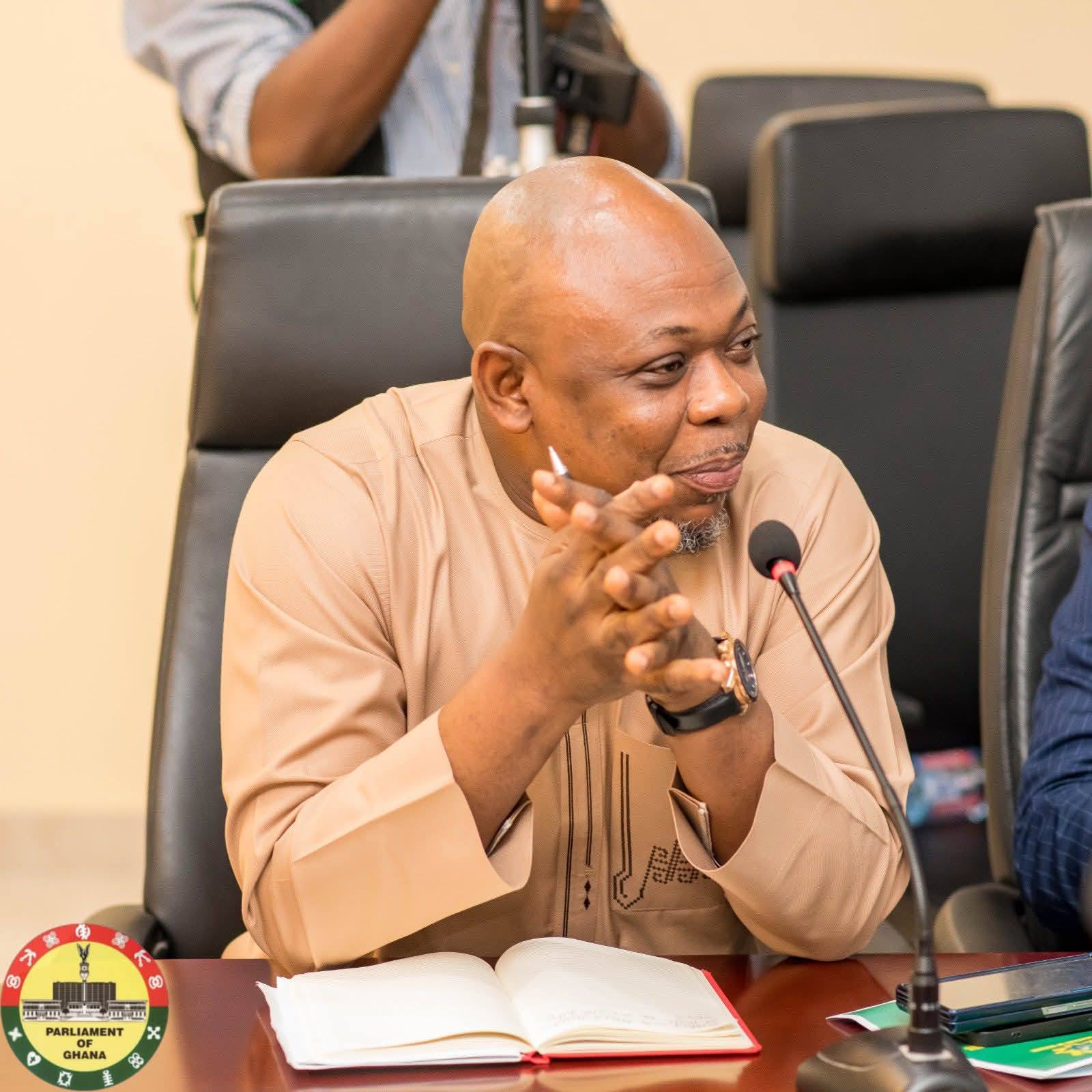
“Honourable Fifi Kwetey met with the Majority Caucus and formally introduced me to the caucus. The caucus overwhelmingly endorsed the choice of our party.”
Honourable James Agalga
Honourable Agalga indicated that parliamentary procedure would determine the timing of the final handover, particularly because the ministerial nomination of the current Majority Leader remains subject to parliamentary vetting. He explained that once the nominee receives approval, the House would provide an opportunity for him to make his final remarks before introducing his successor.
The Builsa North MP described the arrangement as a transitional process that requires the proper parliamentary steps to be followed. He further expressed appreciation to President John Dramani Mahama, National Democratic Congress Chairman Asiedu Nketiah, Fifi Kwetey and members of the Majority Caucus for the confidence placed in him.
Beyond the parliamentary caucus, Honourable Agalga acknowledged the role of his constituents in Builsa North, where his political career began. He noted that the support received from the constituency remained an important part of his journey towards the prospective leadership position.
Meanwhile, the incoming Majority Leader outlined how the decision emerged from consultations involving the presidency, the party leadership and the parliamentary caucus. He explained that the President, as leader of the governing National Democratic Congress, was the central part of the consultation while the party hierarchy and Majority Caucus constituted the other key components.
The arrangement, he indicated, was therefore the outcome of discussions among the three institutional groupings with an interest in parliamentary leadership. Honourable Agalga added that consensus was eventually reached on his selection to succeed Honourable Ayariga.
Party Influence Remains Central To Parliamentary Leadership
The Incoming Majority Leader also defended the influence of political parties in determining parliamentary leadership, arguing that party affiliation naturally carries obligations for elected lawmakers. He explained that members who contest elections on party tickets enter Parliament within an established political structure and are therefore expected to operate within agreed rules.
His position places the party whip system within the wider framework of parliamentary governance, with examples drawn from established democracies such as the United States and Britain. Referencing these systems, the Builsa North MP argued that political parties play a recognised role in organising parliamentary conduct and ensuring discipline among their elected representatives.
The governance debate, however, centres on how party discipline should operate alongside the constitutional responsibilities of individual Members of Parliament. Addressing that question, Honourable Agalga explained that choosing to contest an election under a political party involves accepting the obligations attached to that platform.
He further linked parliamentary leadership to the responsibility of managing government business effectively within the Majority Caucus. In his view, the relationship between party structures and parliamentary leadership is therefore an established feature of representative politics.
A key aspect of the discussion was the use of the parliamentary whip when disagreements emerge between an individual legislator and the position adopted by the party. The incoming Majority Leader acknowledged that a three line whip could require members to support an agreed position even when an individual member holds a different view.
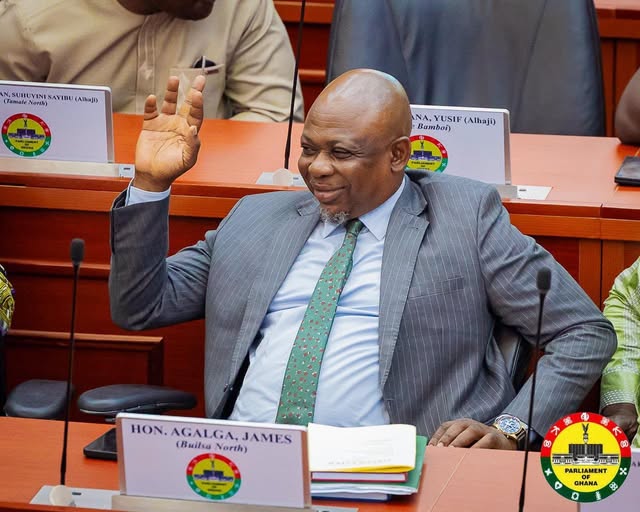
“The very moment that you make a conscious effort to run on the ticket of a political party, it means that you agree to be bound by the rules of engagement.”
Honourable James Agalga
The explanation also placed the current leadership transition within the broader question of how political parties organise their parliamentary caucuses. Such structures determine who coordinates members, manages government business and communicates the collective position of the Majority on legislative matters.
Furthermore, the incoming leader’s remarks suggested that parliamentary independence operates alongside party responsibilities for lawmakers elected on party platforms. The distinction is significant because Members of Parliament perform legislative duties while also operating within political organisations that provide the platform through which they contest elections.
For the Majority Caucus, the immediate priority remains the orderly completion of the leadership transition. The current Majority Leader is expected to proceed through the ministerial vetting process before the formal parliamentary change takes place.
The incoming leader also acknowledged that the transition carries responsibilities extending beyond the National Democratic Congress and its parliamentary members. He pledged to serve the wider national interest once he officially assumes the position and linked the responsibility to the confidence placed in him by the party, Parliament and the electorate.
READ ALSO: Bridget Dzogbenuku: Africa’s Economic Growth Must Reach Ordinary People