The United States has unveiled a sweeping new sanctions campaign against Iran, targeting military procurement networks, oil traders, shipping companies, cyber actors and other entities accused of helping sustain Tehran’s military and economic activities.
The measures form part of what the Trump administration has called “Operation Economic Outcast,” an expanded effort to cut off Iran’s sources of revenue and pressure countries and companies around the world to end their commercial ties with Tehran.
In a statement outlining the targets of the latest sanctions, the US State Department said that the measures were aimed at Iranian military officials involved in procuring weapons and directing attacks against US forces, as well as Iran-based entities accused of gathering intelligence to target American troops and regional allies.
The sanctions also target a procurement network accused of supplying Iran’s military and missile programmes, alongside what the State Department described as a “sprawling group of shippers and brokers” involved in moving Iranian petroleum products through the United Arab Emirates, China, Singapore and Europe.
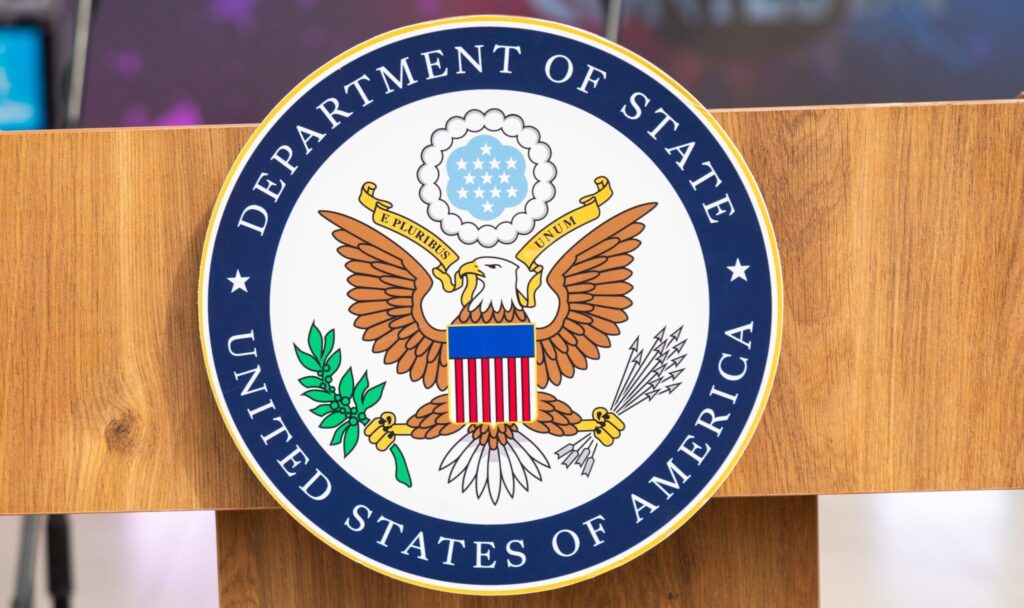
The State Department said that the United States remained committed to using sanctions and other measures to “disrupt, expose, and dismantle” Iran’s military networks, cyber operations and oil trade. It also called on other countries to support the campaign and hold those involved in Iran’s military and commercial networks accountable.
The latest sanctions include a cyber component targeting alleged Iranian cyber operations against US critical infrastructure. The measures follow recent FBI indictments against eight Iranian nationals accused of involvement in cyber activities. The US government also reiterated a potential reward of up to $10m for information leading to the identification or location of five individuals described as key cyber actors.
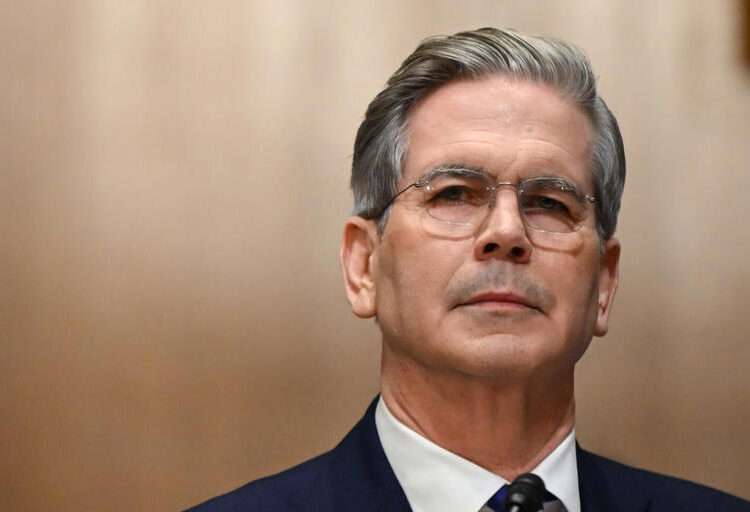
US Treasury Secretary, Scott Bessent said the campaign was designed to strike at what he described as Iran’s key economic lifelines. “Around the globe, our objective is to sever every economic lifeline that sustains this tyrannical regime until Tehran stands alone,” Bessent said.
Bessent described the campaign as “economic D-Day”, comparing the effort to the Allied landing in France during the Second World War. He said that the United States intended to target all sources of Iranian revenue, including oil exports, while warning foreign governments, companies and financial institutions that continued dealings with Tehran could expose them to secondary penalties.
The Treasury Secretary also warned that companies and individuals involved in converting Iranian oil into revenue could face sanctions. The US has already imposed extensive restrictions on Iran’s oil, shipping and financial sectors, but the latest campaign seeks to widen pressure across additional areas of the economy.
According to US officials, the new sanctions effort will focus on five of Iran’s most important economic channels: digital assets, technology, gold, aviation and shipping. The Treasury Department also announced fresh sanctions against 60 entities, vessels and individuals located across several countries, including the United Arab Emirates, Hong Kong, China, Singapore and Switzerland. Washington accused those targeted of enabling what it described as the “Iranian regime’s recklessness.”
However, despite Bessent’s broad warnings to countries and companies doing business with Iran, the latest round of sanctions did not immediately target any major international financial institution.
U.S Seeks To Avoid Wider Disruption
Moreover, Bessent said that the administration was seeking to avoid wider disruption to the global financial system. “Well, we are giving everyone the opportunity to remedy bad behaviour,” he said, adding, “Why would I want to blow up the global financial system?”
Bessent said that President Donald Trump had personally contacted world leaders to request that they end their dealings with Iran.

“Those who stand with the United States will reap the rewards of our partnership. Those who tether themselves to the Iranian regime should expect to share in the isolation.”
Scott Bessent
Countries and companies with longstanding commercial links to Iran now face increasing pressure to reassess those relationships, particularly as the United States threatens secondary sanctions against those accused of helping Tehran maintain access to global markets.
The campaign comes amid continued tensions between Washington and Tehran and follows months of military confrontation, diplomatic deadlock and increasing pressure on Iran’s already struggling economy. The Trump administration argues that economic isolation can limit Iran’s ability to finance military operations and sustain its broader strategic activities.
Iran, however, has previously rejected US pressure campaigns, arguing that sanctions have failed to force Tehran to abandon its core political and security positions. The effectiveness of Operation Economic Outcast may therefore depend heavily on whether major economies and Iran’s key trading partners comply with Washington’s demands.
READ ALSO: CSIR-SARI Tests Japanese Bio-Stimulant to Boost Yields for Northern Ghana Farmers