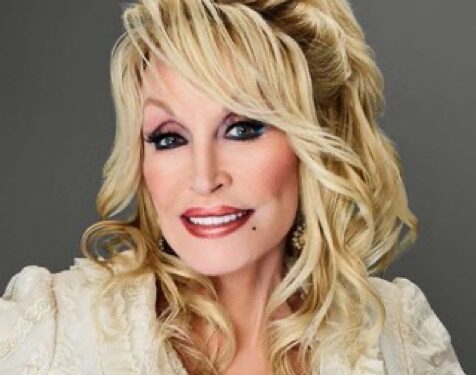
Dolly Parton, the radiant country music superstar whose sparkling wigs, razor-sharp songwriting, and boundless generosity made her one of America’s most cherished cultural figures, died on Tuesday in Nashville. She was 80.
Her family announced the news through her nephew Bryan Seaver, who served as her longtime head of security. In a video statement shared on Instagram, Seaver said Parton had asked him years earlier to deliver the announcement when the moment arrived.
She died at the Vanderbilt-Ingram Cancer Center after a brief battle with cancer, surrounded by loved ones, according to a statement from her representatives.
Parton had been admitted to the hospital on Friday. In recent months she had spoken openly about health challenges, including issues with kidney stones, her immune system, and digestive health. She canceled a planned Las Vegas residency and some public appearances at her beloved Dollywood theme park after doctors advised her to rest.
Just days before her death, in an interview with People, she acknowledged that she had neglected her own care while looking after her husband, Carl Dean, who died in March 2025 after nearly 60 years of marriage. Even then, true to form, she insisted she was still working and still healing.
About Dolly Parton
Born Dolly Rebecca Parton on January 19, 1946, in a one-room cabin in the mountains of Locust Ridge, Tennessee, she was the fourth of 12 children in a poor farming family. From those hardscrabble beginnings she wrote songs that captured both the ache of poverty and the stubborn hope of dreaming big.
Her mother saved her earliest composition, a childhood ode to a corncob doll, in a shoebox. That little girl grew into a songwriter of rare gift, penning more than 3,000 songs and selling more than 100 million records worldwide.
Hits such as “Coat of Many Colors,” “Jolene,” “9 to 5,” and “I Will Always Love You” became part of the American songbook. Whitney Houston’s soaring version of the latter introduced Parton’s writing to millions more. Yet Parton never lost the down-home wit and self-deprecating humor that made her feel like family to so many.
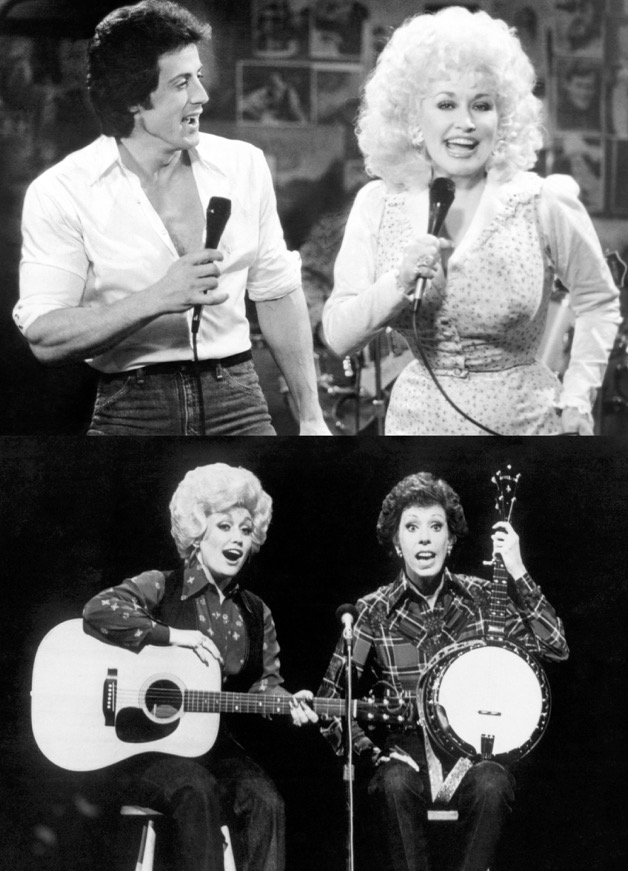
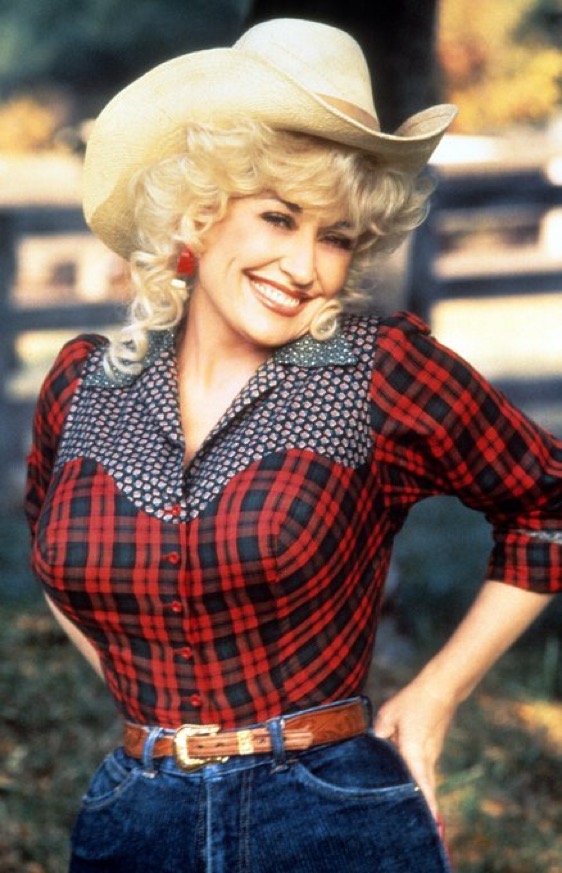
She once joked about her famous silhouette and elaborate hair with the same warmth she brought to ballads about heartbreak and home. Fans loved her because she seemed both larger than life and completely approachable.
Beyond music, Parton built an empire with shrewd business sense and an open heart. She starred in films including 9 to 5, Steel Magnolias, and Rhinestone. She created Dollywood, the theme park in Pigeon Forge, Tennessee, that celebrates Appalachian culture and employs thousands.
Her Imagination Library has distributed hundreds of millions of free books to children around the world, a quiet revolution in literacy that reflected her belief that every child deserves the chance to dream.
During the COVID-19 pandemic she donated $1 million toward vaccine research, a gift that helped accelerate progress when the world needed it most.
Parton’s marriage to Carl Dean remained one of the most private and enduring love stories in entertainment. They wed in 1966 when she was 20 and he was a quiet asphalt contractor who preferred the background. She often said he was her greatest support and the love of her life.
After his death last year, she admitted the grief had taken a toll, yet she continued working on projects that mattered to her, a Broadway musical based on her life, new music, and the ongoing expansion of her businesses and philanthropy.
Tributes began flowing almost immediately. Fellow artists, political leaders, and ordinary fans described a woman who made people feel seen. President Donald Trump ordered flags lowered to half-staff in her honor.
Musicians from Taylor Swift to Beyoncé, Paul McCartney, and Reba McEntire shared memories of her kindness and influence. Oprah Winfrey and others spoke of a rare unifying presence who transcended genre, politics, and generations.
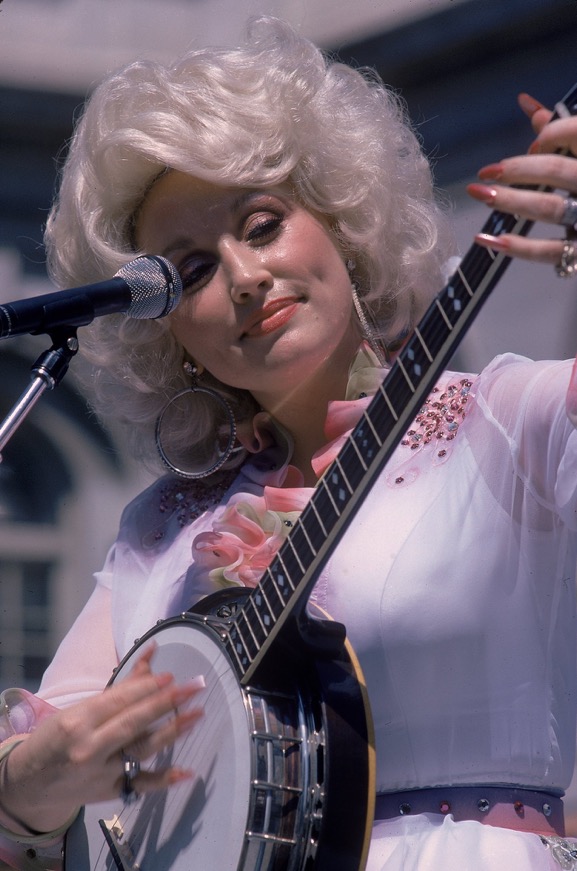
What set Parton apart was not only talent but character. In an industry that can be harsh, she remained generous, funny, and steadfastly herself. She never pretended to be someone she was not. She turned the stereotypes of the “dumb blonde” on their head with intelligence, business acumen, and a work ethic that never quit.
She opened doors for generations of female songwriters and performers while insisting that success meant lifting others along the way.
A small private service will be held for immediate family. In the coming days, public memorials and performances of her songs will almost certainly fill the airwaves and stages.
Yet the truest measure of her life may be quieter: the children who received their first books because of her, the workers at Dollywood who found steady employment, and the millions who found comfort in a song when they needed it most.
Dolly Parton once said she had dreamed herself into a corner and still had so many things she wanted to achieve. Even in her final days she spoke of projects still in motion. That restless creativity and open heart defined her.
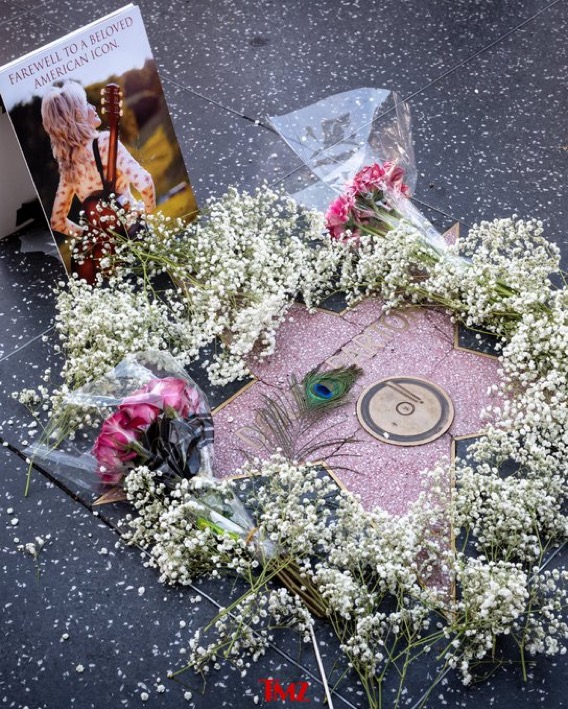
She leaves behind a body of work that will endure, a model of how to live with joy and purpose, and a reminder that kindness and ambition can walk hand in hand.
In the mountains of East Tennessee where she began, and in cities and towns far beyond, people will keep singing her songs. They will keep telling stories about the girl from Locust Ridge who became a rhinestone legend and never forgot where she came from. Dolly Parton is gone, but the light she carried remains.
READ ALSO: Manso Nkwanta MP Calls For Ad Hoc Committee To Probe Goldbod