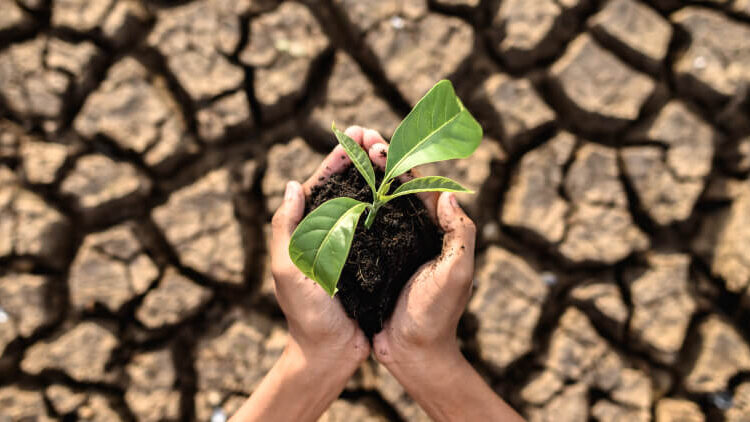
The Food and Agriculture Organization of the United Nations (FAO) has warned that soil degradation is worsening across many parts of the world despite the availability of proven practices capable of protecting and restoring land, with action lagging far behind what is required to safeguard global food systems.
The warning is contained in the newly released Status of the World’s Soil Resources 2026, a major global assessment that examines the condition of soils and the progress made in managing the pressures threatening their long-term health.
The assessment paints a troubling picture of a resource that is fundamental to human survival but is increasingly exposed to erosion, nutrient imbalance, pollution, unsustainable agricultural practices, and other pressures. More than half of the regional and subregional assessments reviewed by FAO indicate that the adoption of sustainable soil-management practices remains low or very low.
Even more concerning, 58% of the assessments report a deteriorating trend in adoption since 2015, while only around 10% indicate improvement.
The results highlight a growing disconnect between scientific understanding and real-world application. Although farmers and policymakers now have access to a variety of methods that help preserve agricultural output and enhance soil health, these strategies have not been implemented at the scale required to address the mounting constraints on land.
Reduced tillage, integrated nutrient management, crop diversity, cover crops, the use of organic amendments, and agroforestry are some of the techniques found to be able to mitigate several soil risks. Creating the conditions necessary for the widespread and consistent application of tried-and-true methods is becoming more and more of a difficulty rather than the need for completely new technology.
According to FAO Deputy Director-General Beth Bechdol, “we have much better evidence today about the pressures facing the world’s soils and about the practices that can protect and restore them.”
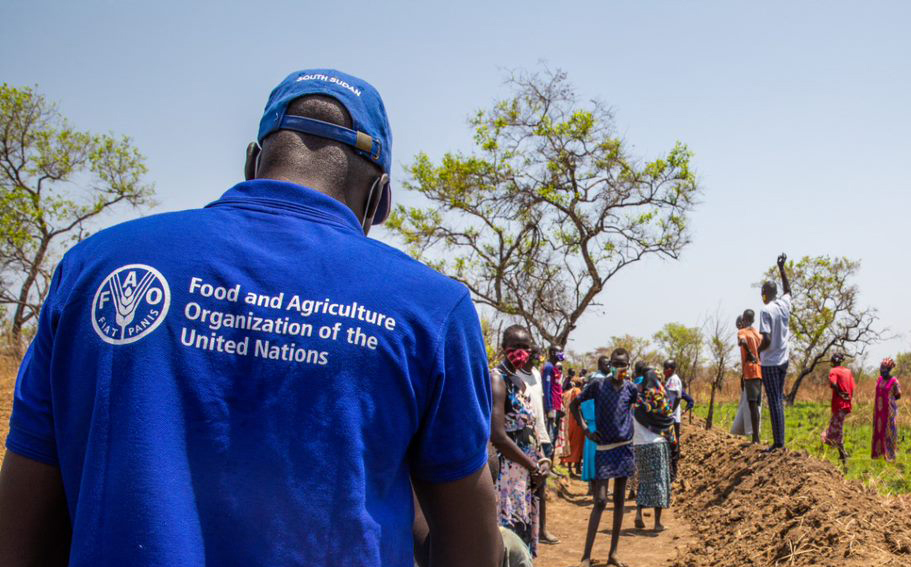
“But this report makes clear that proven solutions are still not being adopted at the pace and scale required. The priority now is to give countries, farmers and other land users the knowledge, capacity and incentives they need to put those solutions into practice.”
Beth Bechdol
The assessment draws on scientific literature published between 2015 and 2025 and expertise from 75 countries, building on the first global assessment published in 2015 through FAO’s Global Soil Partnership and with scientific guidance from the Intergovernmental Technical Panel on Soils.
The urgency of the findings is rooted in the central role soils play in sustaining human societies. Soils produce more than 95% of the food consumed globally while also storing and filtering water, regulating climate processes, supporting biodiversity and providing the foundation for the livelihoods of millions of people.
As populations grow and demand for food increases, pressure on agricultural land is expected to intensify. Since 2015, the global population has increased by about 800 million people, while the harvested area devoted to major crops has expanded by approximately 80 million hectares.
This expansion has occurred alongside urbanisation, industrial activity, conflicts, pollution and agricultural practices that can accelerate the deterioration of land and soil functions.
For developing economies, particularly those where agriculture remains central to employment, food security and rural livelihoods, the implications are particularly significant. Declining soil productivity can translate into lower yields, greater production costs, increased pressure to expand cultivated land and greater vulnerability to droughts and other climate-related shocks.
The FAO assessment therefore places soil management at the centre of broader efforts to build resilient agrifood systems.
Soil Erosion Emerges as Major Threat
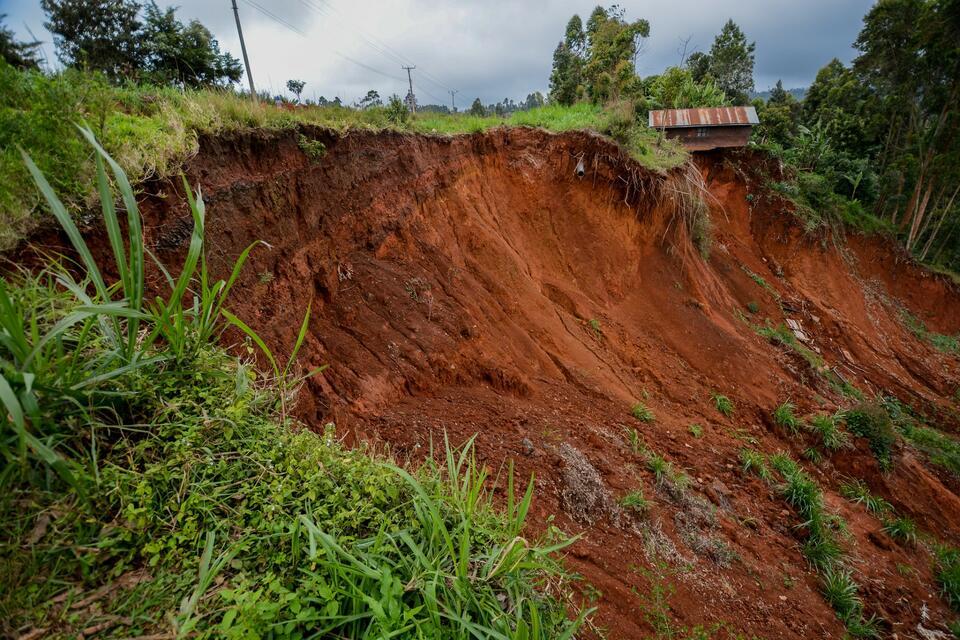
Among the range of pressures identified in the assessment, soil erosion stands out as the most severe and interconnected threat to soil health.
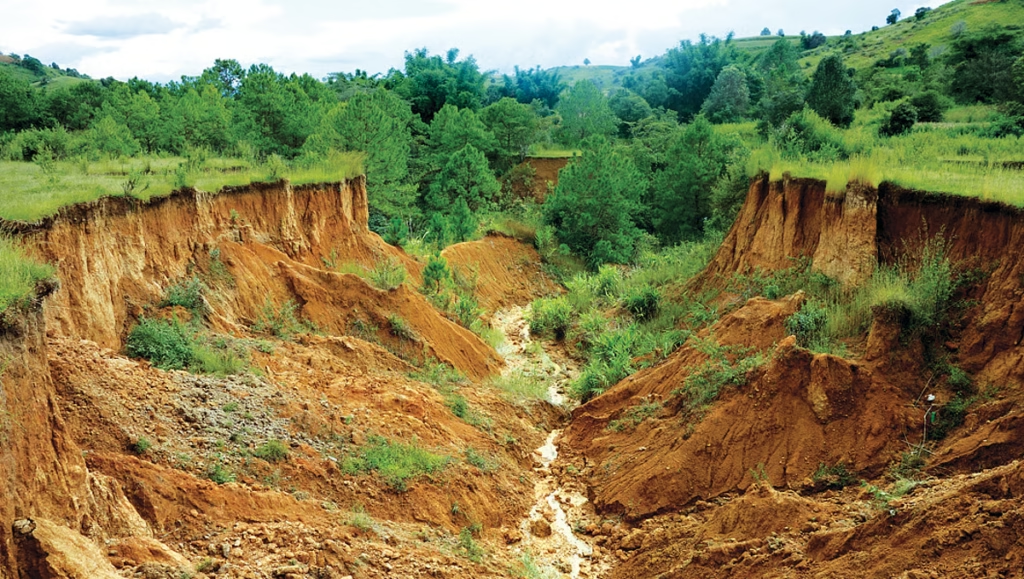
Across the seven regions assessed, 81% of assessments rated erosion management as bad or very poor. At the same time, 65 percent report a deterioration in trends since 2015, indicating a consistent inability to address one of the most fundamental dangers to agricultural land.
Erosion depletes fertile topsoil and can eventually damage land’s ability to support crops. Its effects go beyond farms, as soil carried away from agricultural areas can harm streams, ecosystems, and downstream towns.
The difficulty is exacerbated by variations in nutritional conditions between geographies. While some agricultural systems experience nutrient surpluses as a result of excessive inputs, others suffer from nutrient depletion, which limits output and jeopardises food security.
FAO’s assessment therefore cautions against one-size-fits-all approaches and highlights the importance of locally adapted soil-management strategies.
The report calls for coordinated and sustained action built around five key priorities: stronger soil governance and legal frameworks; expanded education, capacity development and knowledge exchange; improved soil monitoring; stronger incentives for sustainable soil management; and inclusive, multidisciplinary decision-making.
These priorities are intended to move soil protection beyond isolated interventions and integrate it into national development and agricultural planning.
READ ALSO: GSE Records 10 Gainers as Market Index Powers Higher