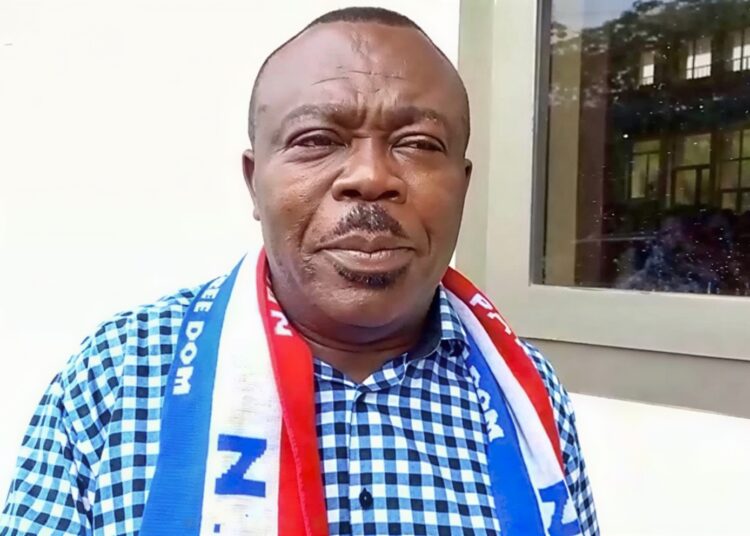
The Executive Director of the Africa Institute of Strategic Studies and lecturer, Dr Jonathan Asante Otchere, has backed Asamoah Boateng, popularly known as Asabee, as a strong contender for the National Chairmanship of the New Patriotic Party. He argued that the party’s internal elections require careful consideration of regional balance as delegates prepare to elect a new set of national executives.
“A better candidate for the NPP, someone who has that clout and gravitas, is Asamoah Boateng, alias Asabee.”
Dr Jonathan Asante Otchere
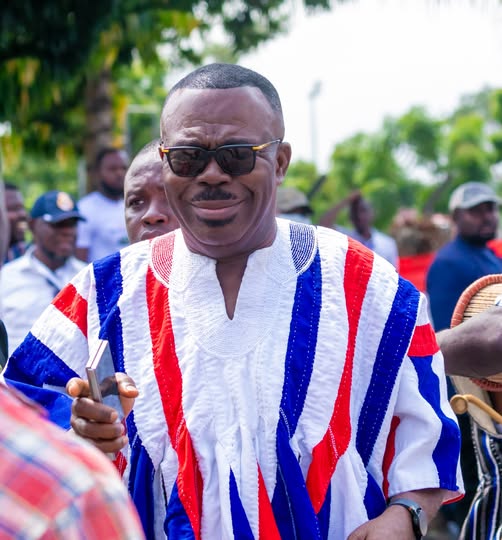
Dr Asante Otchere explained that Paul Afoko’s possible bid for the chairmanship could create a difficult political arrangement within the party. He pointed to the possibility of both the presidential candidate and the National Chair coming from the northern part of the country.
The lecturer therefore identified Asamoah Boateng as a candidate with the political weight and experience required for the position. He also distinguished the former Minister for Chieftaincy and Religious Affairs from John Boadu, whose previous attempt to become General Secretary ended in defeat.
According to the AISS Director, the contest for the First Vice Chairmanship appeared less complicated because the positions would ultimately be determined by the number of votes secured by each candidate. He noted that the arrangement means candidates would effectively be ranked according to their support among delegates.
His assessment places the General Secretary race at the centre of the party’s search for a new political direction. The contest involves the incumbent, Justin Frimpong Kodua, who is seeking another term, alongside other aspirants hoping to take control of the party’s administrative machinery.
Dr Asante Otchere indicated that delegates would need to assess whether retaining the current leadership structure would provide the change many party members seek. At the same time, he acknowledged that Kodua’s tenure could not be dismissed entirely because the party’s performance under his leadership involved several dimensions.
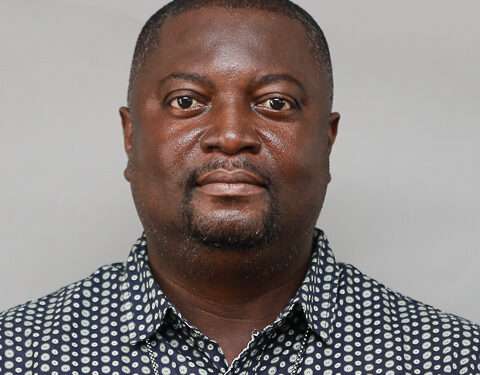
The debate over the chairmanship and other executive positions is therefore linked to how the NPP intends to rebuild itself ahead of the next general election. For the political analyst, the process should produce leadership capable of providing direction without creating excessive concentration of influence around one political figure.
He further suggested that the party’s internal elections should allow competing candidates to demonstrate their individual strengths. In his view, executive positions should not become contests solely on loyalty to a presidential candidate.
NPP Executive Race Raises Questions Over Internal Democracy
The contest for senior positions in the New Patriotic Party has triggered debate over the direction of the organisation and the nature of its internal democracy. Dr Jonathan Asante Otchere, the Executive Director of the Africa Institute of Strategic Studies and lecturer, argued that the party must create room for genuine competition among its executive candidates.
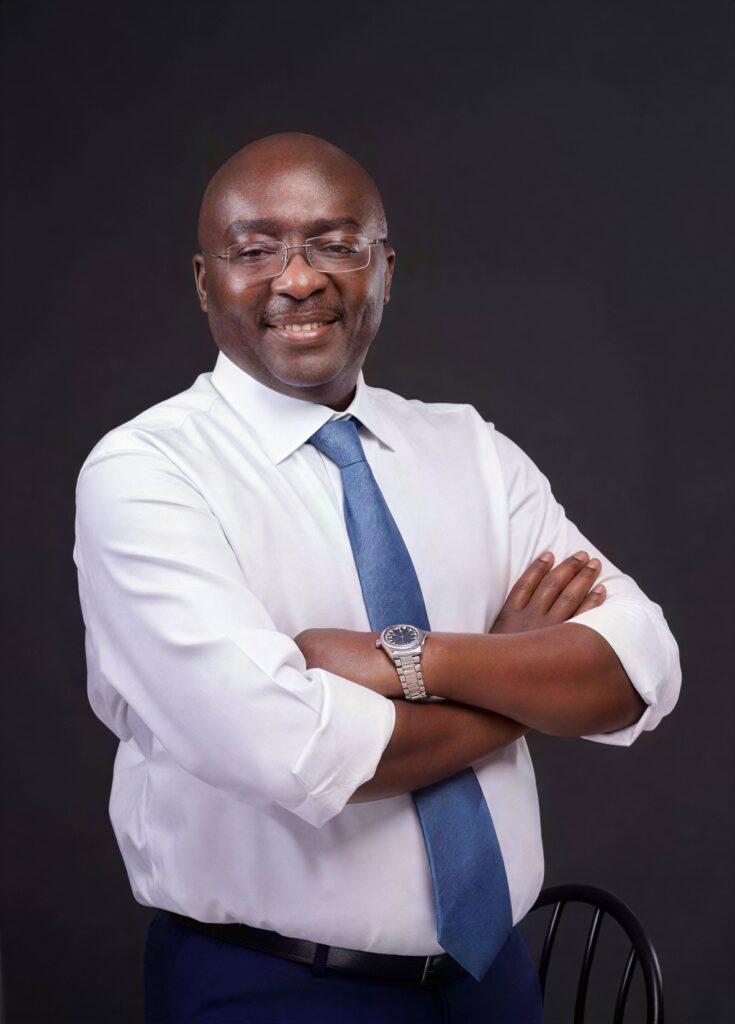
Dr Asante Otchere also questioned the growing tendency for aspirants to emphasise their support for Dr Mahamudu Bawumia during internal contests. He argued that candidates should be able to present their own qualifications and ideas without making loyalty to the flagbearer the principal measure of their suitability.
His position was based on the belief that internal party elections require space for competing views. When candidates feel compelled to demonstrate complete alignment with one political figure, he argued, the process can lose some of the competitive character expected of democratic party elections.
“If you are not with him, you are against him. And that, in itself, does not really augur well for internal elections and internal democracy.”
Dr Jonathan Asante Otchere
Dr Asante Otchere further argued that such an approach could affect how party members relate to one another during the executive elections. He suggested that a system where candidates are judged largely through their relationship with the flagbearer could discourage independent positions within the party.
The lecturer also connected the issue to the NPP’s mobilisation at the grassroots. He indicated that the party needs an atmosphere capable of generating enthusiasm among its members as it prepares for the next presidential contest.
That task, in his assessment, requires executives who can build confidence throughout the organisation. He therefore placed emphasis on leadership that can engage party members beyond internal positioning and electoral calculations.
The party’s defeat in 2024 has consequently placed greater importance on the decisions delegates make during the internal process. Every executive position, according to the lecturer’s analysis, should contribute to a coherent strategy that reconnects the leadership with members across the country.
Dr Asante Otchere suggested that the party might need to reassess its approach after the 2028 elections, particularly if the current pattern of internal alignment persists. Such an assessment would provide an opportunity for members to examine whether the executive structure is serving the party’s wider political objectives.
READ ALSO: GSE Records 10 Gainers as Market Index Powers Higher