Thousands of seafarers remain stranded in the Persian Gulf six months after the conflict in the Middle East began, with the International Maritime Organization (IMO) warning that the prolonged disruption to one of the world’s most strategically important shipping routes is placing crews, global supply chains and economies under growing pressure.
The maritime crisis has left up to 400 ships carrying approximately 6,000 seafarers unable to safely leave the Persian Gulf since the conflict began on 28 February. While some vessels and their crews have managed to depart the region, thousands of others remain exposed to heightened security risks and uncertainty as efforts to restore safe navigation through the Strait of Hormuz continue.
The situation has become an increasingly serious concern for the international shipping industry because the Strait of Hormuz serves as a critical maritime passage for global trade and energy supplies. Any prolonged restriction or disruption to movement through the waterway can have consequences far beyond the Middle East, affecting the transportation of fuels, fertilizers and other essential commodities to markets and communities around the world.
According to the IMO, at least 70 attacks on international shipping have been verified since the conflict began, resulting in the deaths of 19 seafarers. The figures highlight the human cost of a maritime security crisis that has increasingly placed civilian crews at the centre of a wider geopolitical conflict.
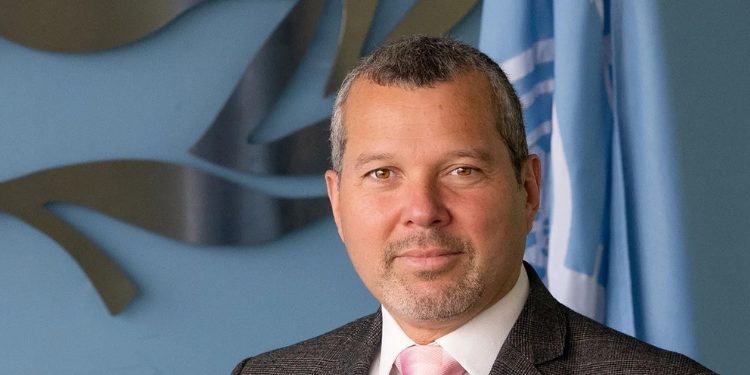
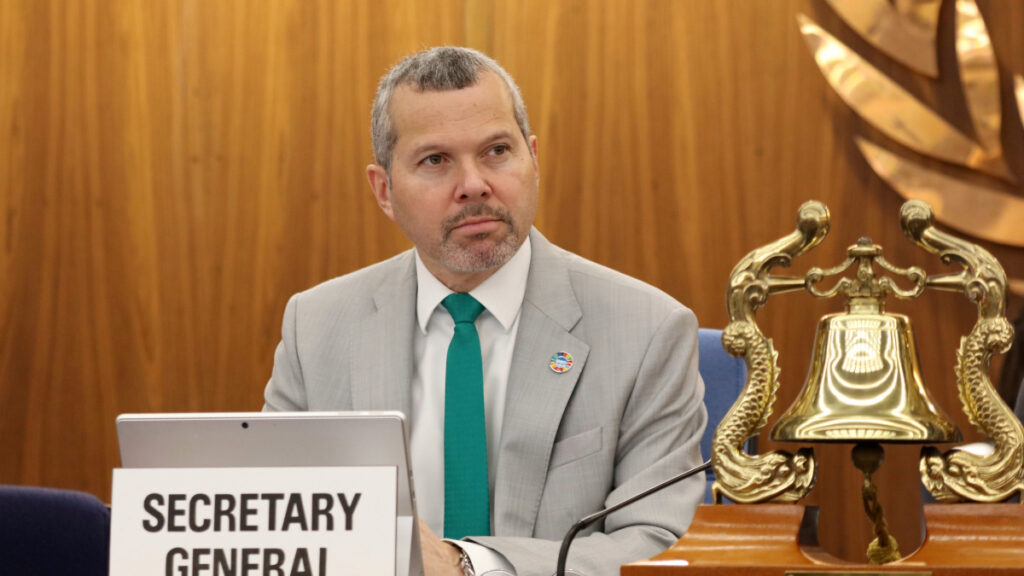
IMO Secretary-General Arsenio Dominguez has therefore called for renewed political commitment and international cooperation to address the situation, stressing that practical measures are urgently needed to restore freedom of navigation through the Strait of Hormuz.
“Six months since the conflict in the Middle East began, the situation in the Strait of Hormuz is unresolved. Thousands of seafarers in the region continue to live and work under conditions of heightened risk and uncertainty.
“While some ships and their crews have been able to leave the Persian Gulf, up to 400 ships carrying around 6,000 seafarers have been unable to depart safely since the conflict began.”
Arsenio Dominguez
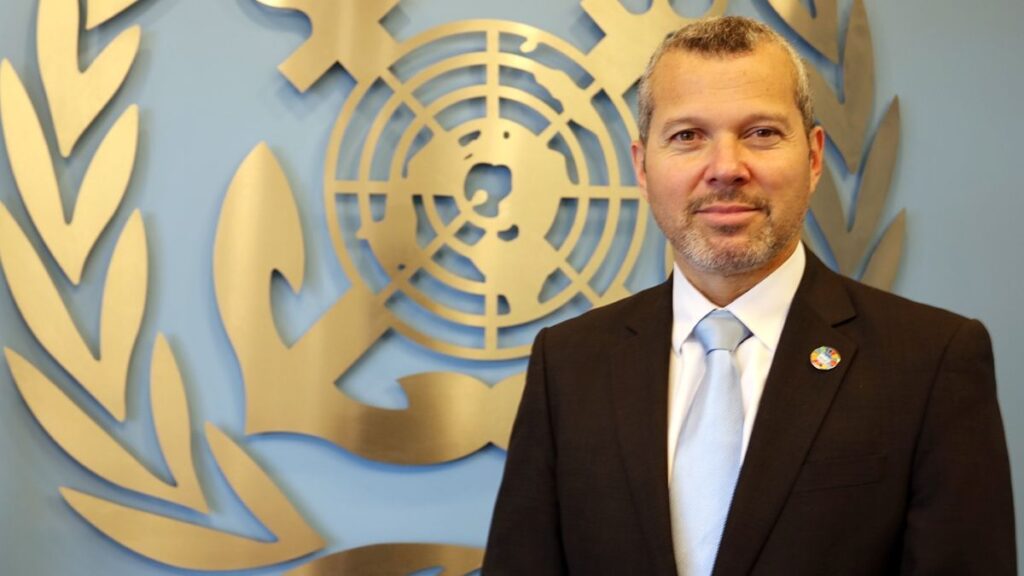
Dominguez’s warning comes as maritime security threats continue to spread across several strategic waterways. From the Black Sea to the Red Sea and Gulf of Aden, commercial vessels and their crews are increasingly operating in environments where geopolitical tensions and attacks are creating serious risks for international shipping.
The prolonged uncertainty around the Strait of Hormuz has particularly significant implications because disruptions to shipping do not remain confined to the vessels directly affected. Delays in the movement of commodities can influence prices, production and supply availability in countries far removed from the conflict zone.
The IMO chief warned that the consequences of the crisis would be felt both immediately and over the longer term.
“The impacts of this crisis are grave both in the short and long term. The disruption of vital supply chains for fuels, fertilizers and other commodities has consequences for communities and economies around the world.”
Arsenio Dominguez
The warning highlights the interconnected nature of modern maritime trade. Ships moving through major international waterways form part of complex supply chains that support energy markets, agriculture, manufacturing and consumer economies. When vessels are prevented from moving safely, the resulting disruption can create pressure across multiple sectors.
The continued uncertainty also places additional strain on seafarers, many of whom have remained aboard vessels for extended periods while waiting for conditions to become sufficiently safe for departure.
IMO Seeks Coordinated Action to Reopen Critical Shipping Route
The IMO has increasingly placed freedom of navigation and the protection of seafarers at the centre of its response to the deteriorating maritime security environment.
In July, the IMO Council adopted a resolution addressing the protection of vital shipping lanes. The resolution reaffirmed that the right of transit passage through straits used for international navigation must not be threatened, impeded, denied, hampered, impaired or suspended.
The Council also called for a coordinated and sustainable return to unhindered navigation through the Strait of Hormuz, signalling the organisation’s concern over the long-term implications of the disruption.
For Dominguez, however, adopting a resolution is only part of the solution. He argued that governments and the shipping industry must now translate political commitments into practical measures capable of improving conditions for vessels and crews.
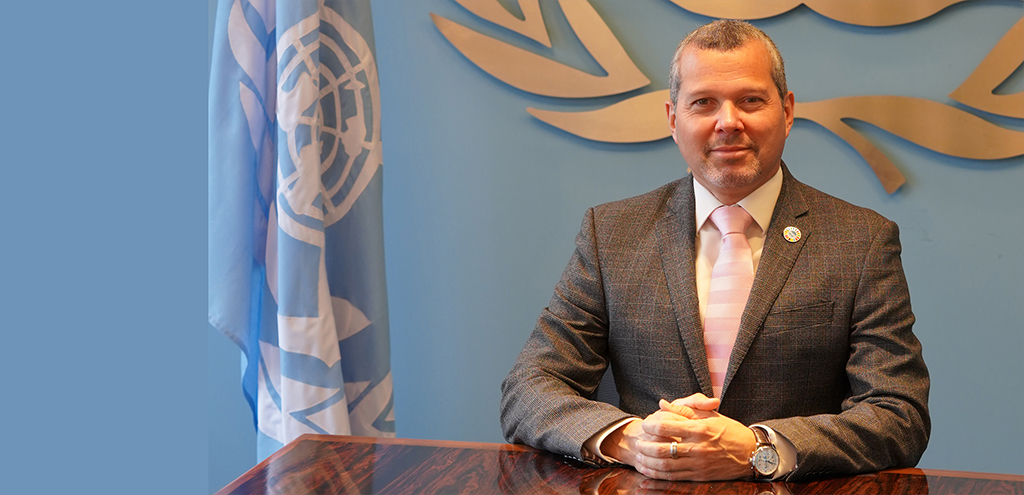
“Renewed political will and cooperation is needed to deliver on this commitment. I call on all Member States and the shipping industry to work together with IMO and the wider United Nations system, to advance practical solutions to restore the freedom of navigation through the Strait.”
Arsenio Dominguez
The appeal places responsibility on a broad coalition of governments, maritime operators and international institutions. Restoring safe navigation through the Strait of Hormuz requires more than measures directed at individual vessels; it also depends on wider diplomatic and security arrangements capable of reducing threats to commercial shipping.
The IMO has warned that maritime workers should not become overlooked casualties of geopolitical conflicts. Seafarers operate commercial vessels that are essential to the functioning of the global economy, yet they can have little control over the security conditions surrounding the routes they are required to navigate.
Dominguez described the deterioration of maritime security across multiple regions as a threat to the international community as a whole.
READ ALSO: Parliament Approves Fiscal Council Nominees as Speaker Flags All-Male Composition