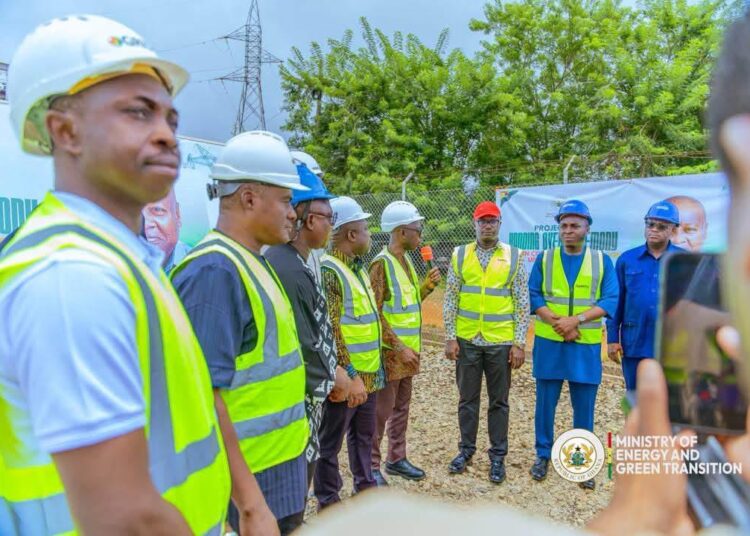
The Government has launched the Turnkey Project under the Rural Electricity Acceleration and Urban Intensification Initiative (REIP) in the Volta Region, committing GH¢598 million to extend reliable electricity supply to 206 underserved communities across 18 districts.
The project, launched on behalf of President John Dramani Mahama as part of the Government’s Big Push Agenda, brings together rural electrification and transmission infrastructure investment, signalling a shift from simply connecting communities to strengthening the electricity system required to sustain growing demand.
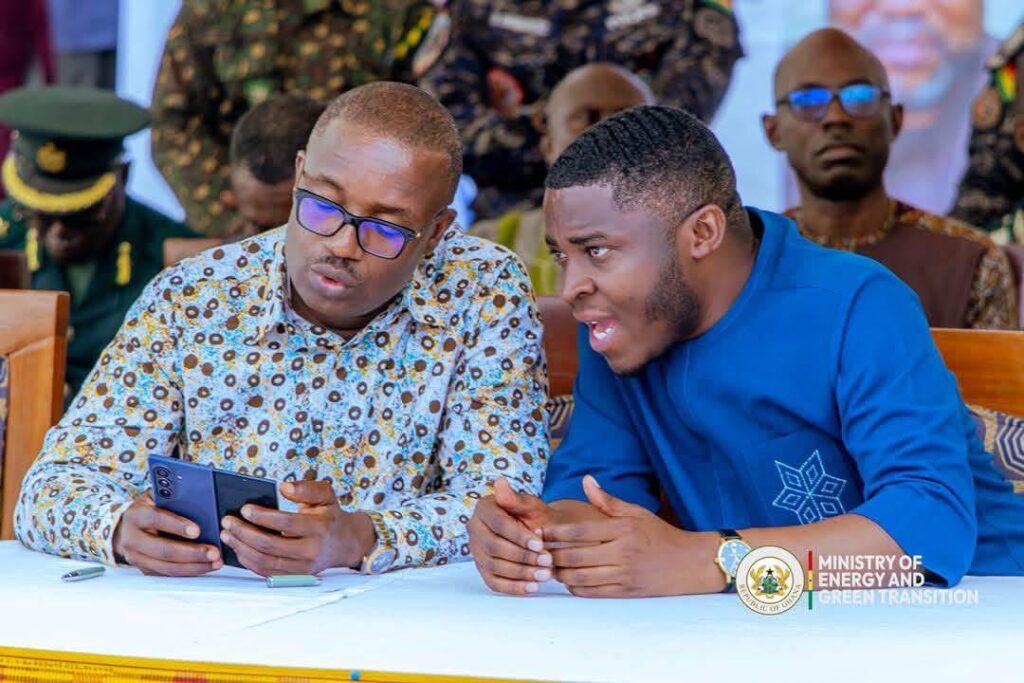
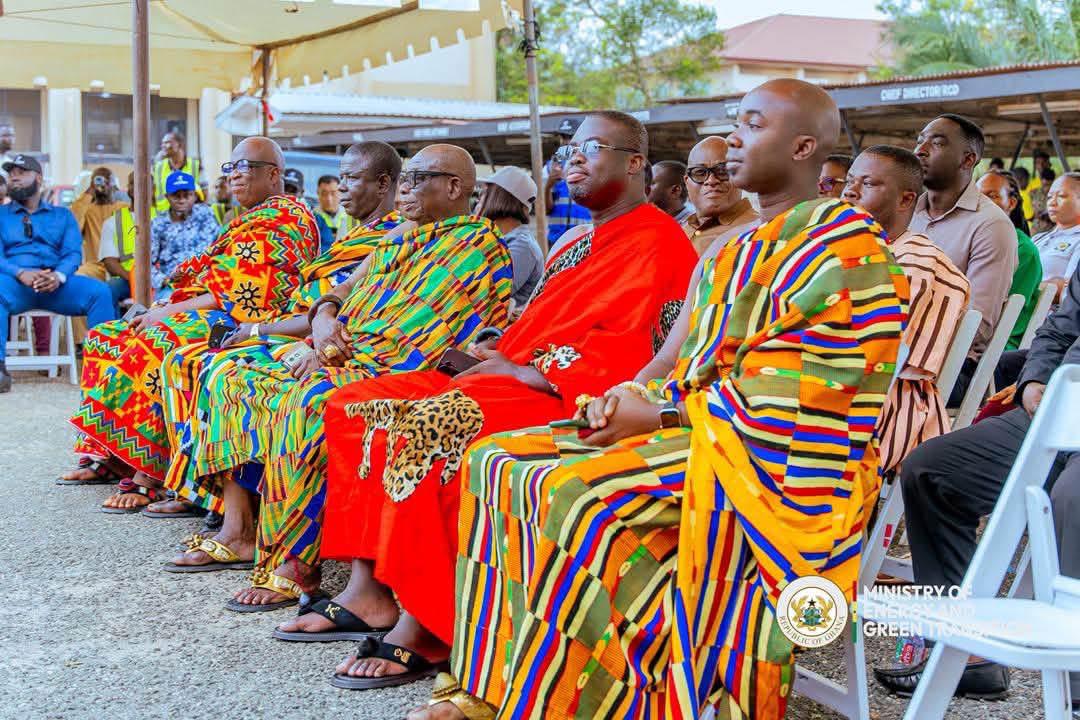
The launch was attended by the Volta Regional Minister, Hon. James Gunu, Member of Parliament for Ketu North, Hon. Eric Edem Agbana, and key stakeholders from the power sector.
GH¢598m Investment Targets 206 Communities
The GH¢598 million investment will connect 206 underserved communities across the Volta Region to the national grid.
The scale of the intervention is significant because electricity access remains closely tied to economic activity, public services and household welfare in communities that have historically lacked dependable access to power.
Beyond household connections, electrification can create the conditions for small businesses, agro-processing, health facilities, schools and other productive activities to operate more efficiently.
However, the economic value of new connections depends heavily on whether the electricity system supplying those communities can provide adequate capacity and reliability.
The Government’s approach therefore places the distribution of electricity alongside investments in transmission and bulk supply infrastructure.
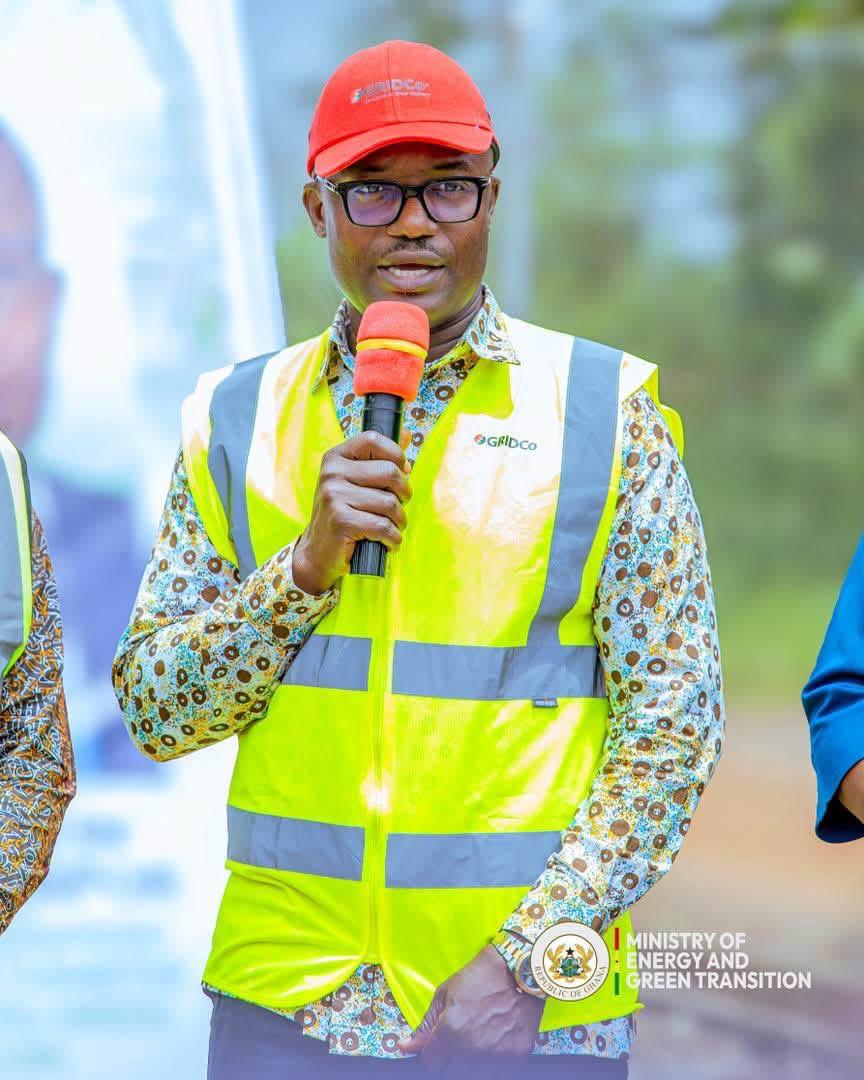
“We are not only expanding access; we are strengthening the systems to ensure reliable and sustainable supply.”
Dr. John Abdulai Jinapor, Minister for Energy and Green Transition
The project forms part of a wider Government objective to accelerate the connection of unelectrified communities across four priority regions during the year.
The emphasis on underserved communities also has implications for regional economic inclusion.
Extending electricity infrastructure into areas outside major urban centres can reduce the geographic concentration of economic opportunities and improve the ability of rural communities to participate in productive sectors.
Yet, connection alone does not guarantee meaningful energy access.
Where supply is unreliable or transmission capacity is inadequate, newly connected communities can remain vulnerable to outages and constrained electricity consumption.
The infrastructure accompanying the Volta project is intended to address that challenge.
Transmission Upgrade Strengthens Volta Grid
A major component of the intervention is the 45-kilometre Asiekpe–Ho 161kV transmission line, alongside a new 161/34.5kV Bulk Supply Point at Ho.
These investments are particularly important because the transmission network determines how much electricity can be moved into and across regions, while a Bulk Supply Point provides the interface through which electricity is supplied to the distribution network.
The new infrastructure is expected to add capacity and improve reliability along the Asiekpe–Ho–Kadjebi corridor.
This suggests that the project is being designed around a broader electricity-system constraint rather than treating rural electrification as a standalone exercise in extending distribution lines. As demand grows following new connections, inadequate upstream capacity can quickly become a bottleneck.
“This includes the 45km Asiekpe–Ho 161kV transmission line and the new 161/34.5kV Bulk Supply Point at Ho, which will add capacity and improve reliability along the Asiekpe–Ho–Kadjebi corridor.”
Dr. John Abdulai Jinapor, Minister for Energy and Green Transition
The transmission investment could therefore have benefits extending beyond the 206 communities directly targeted by the electrification programme.
Strengthening the corridor can provide additional system capacity for existing customers and create greater headroom for future demand.
This is increasingly important as electricity demand becomes more closely linked to industrialisation, digitalisation and the expansion of productive activities outside Ghana’s major urban centres.
A stronger regional grid can also reduce the risk that electrification investments become stranded by insufficient network capacity.
Big Push Links Electricity Access To Growth
The Government’s Big Push approach frames electricity infrastructure as an economic development investment rather than merely a social service intervention.
“This is what the Big Push is about; investing in infrastructure that expands opportunity, improves livelihoods and supports economic growth.”
Dr. John Abdulai Jinapor, Minister for Energy and Green Transition
The argument is particularly relevant to the Volta Region, where improved electricity infrastructure could support economic activity while strengthening the region’s integration into Ghana’s national power system.
However, the success of the investment will ultimately depend on implementation quality, timely completion of the transmission and distribution works, and the ability of the electricity sector to maintain the infrastructure after commissioning.
The Government’s stated objective is to achieve universal electricity access by 2030, meaning projects such as the Volta intervention will need to be followed by sustained investments in generation, transmission and distribution capacity.
“Our goal is universal electricity access by 2030, with no community left behind.”
Dr. John Abdulai Jinapor, Minister for Energy and Green Transition
The Volta project consequently represents more than an expansion of the national grid.
Its combination of community connections, transmission reinforcement and additional bulk supply capacity reflects an understanding that universal access requires both physical connectivity and a resilient electricity system capable of supporting the demand created by that connectivity.
If delivered effectively, the GH¢598 million intervention could provide a stronger platform for rural economic activity while advancing Ghana’s longer-term objective of universal electricity access by 2030.
READ ALSO: Mahama Swears in Mahama Ayariga, Zanetor Agyeman-Rawlings as Ministers of State