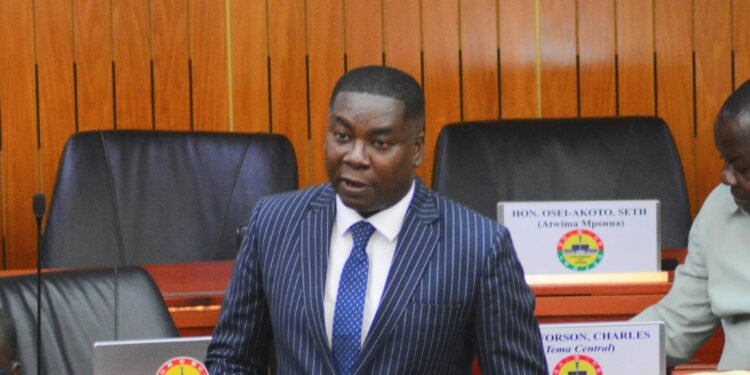
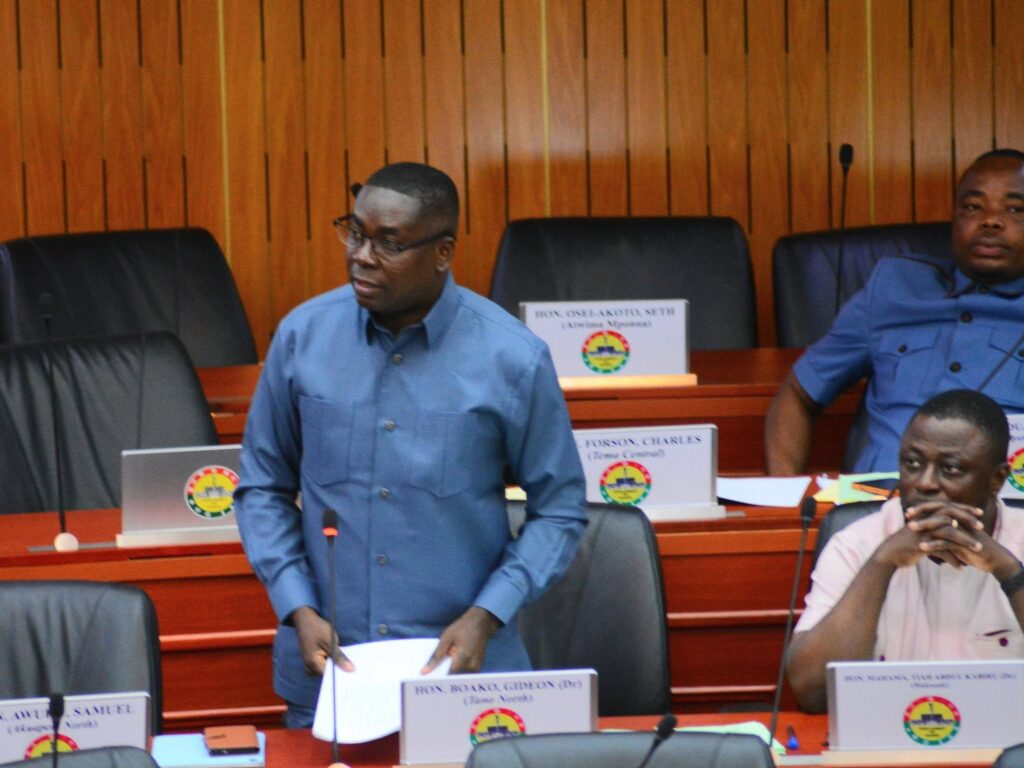
Dr. Gideon Boako, Member of Parliament for Tano North and a financial expert, has asserted that the Bank of Ghana’s Domestic Gold Purchase Programme, spearheaded by former Vice President Dr. Mahamudu Bawumia, successfully built the nation’s foreign exchange reserves without relying on external Eurobond borrowing.
Speaking on the background of public concerns surrounding reported program costs, Boako stated that the initiative strategically leveraged Ghana’s gold resources to generate vital liquidity during a period of acute economic stress.
By exporting domestically sourced gold and converting the proceeds directly into central bank reserves, the policy established a sustainable, self-reliant foreign exchange mechanism that insulated the domestic currency from persistent global shocks.
“The rapidly increased FX for Reserves were made possible without going to the eurobond market to borrow, in large part by the gold-purchase arrangements introduced by Dr. Bawumia. He did not waste the crisis. He found a solution to a problem that has haunted the cedi since the First Republic and under every government.”
Dr. Gideon Boako
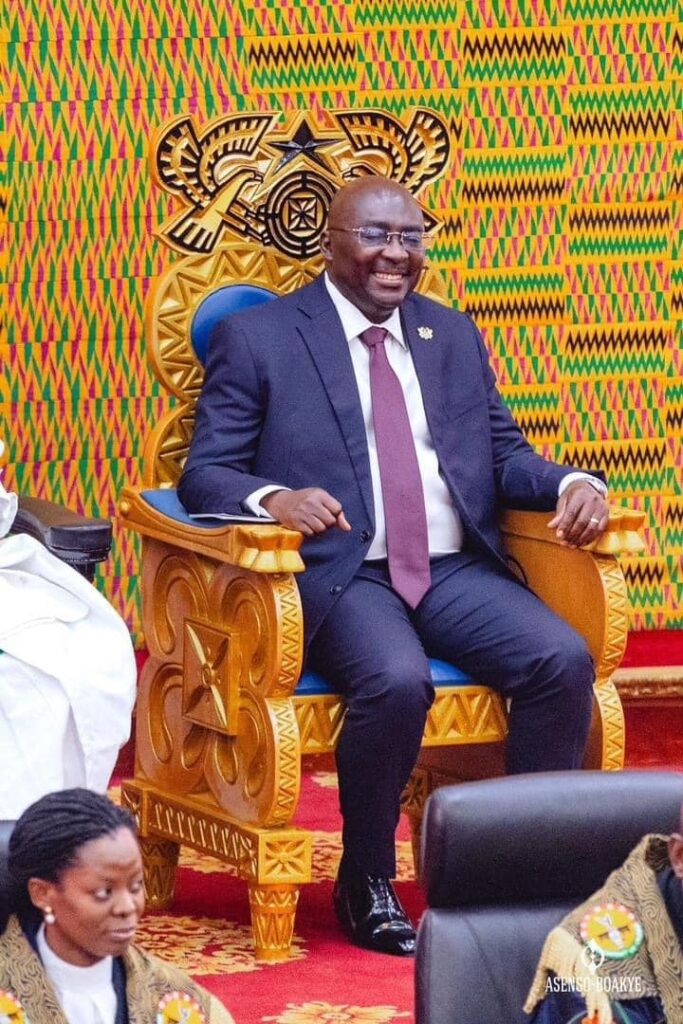
Elaborating on the mechanics of the policy, Boako highlighted that the program accumulated US$13.8 billion in reserves directly from domestic mineral production rather than adding to the country’s sovereign debt burden.
Unlike traditional sovereign Eurobond issuance, which grants immediate dollars at the expense of long-term repayment obligations and heavy debt-servicing requirements, capturing gold within the formal domestic economy provides a non-debt-creating stream of foreign currency.
This structural shift effectively helped meet essential import bills including fuel, pharmaceuticals, and industrial machinery while simultaneously expanding the Bank of Ghana’s reserve capacity under tight multilateral constraints.
Mechanics of the GHS21.89 Billion Accounting Valuation
Addressing media discourse regarding the GHS21.89 billion figure associated with the initiative, Boako clarified that the amount represents a gross accounting adjustment rather than an actual cash outflow or financial loss.
Under International Accounting Standard (IAS) 21, gold was purchased from local miners in cedis at prevailing market rates but initially entered the central bank’s financial statements at the official exchange rate.
Furthermore, pricing purchases close to prevailing market levels aligned with Section 3(h) of the Ghana Gold Board Act, 2025 (Act 1140), a statutory provision designed to curb informal gold leakage and incentivize miners to trade within regulated domestic channels.
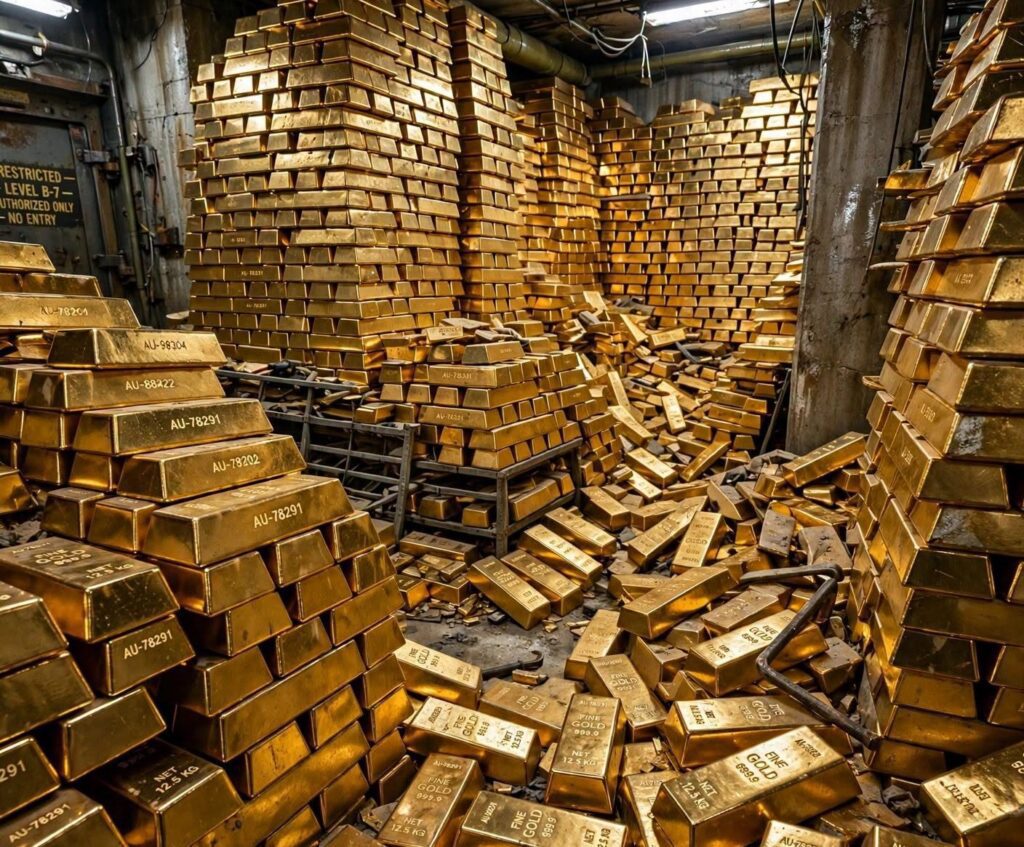
The financial breakdown reveals that after factoring in the Government’s GHS5 billion cost-sharing allocation and GHS7.9 billion in realized gains from gold bullion sales, the actual net cost recognized in the Bank of Ghana’s profit-and-loss account stood at GHS9.05 billion.
Hon. Boako emphasized that acquiring gold at market prices was necessary to prevent displacing production into illegal trading networks. Consequently, the temporary accounting variance reflected the cost of formalizing mineral flows to secure foreign exchange rather than an unrecovered expenditure of public funds.
Economic Impact and Reserve Accumulation Dynamics
The implementation of the gold-buying framework provided critical structural support to Ghana’s broader macro-economy during severe foreign exchange constraints.
Under the terms of the International Monetary Fund (IMF) program initiated following the 2022 economic crisis, the Bank of Ghana’s direct monthly market interventions were capped at $80 million and later reduced to $60 million.

The domestic gold policy provided an alternative mechanism to supply liquidity for essential imports like petroleum products, food, and manufacturing inputs without breaching IMF balance-of-payment targets.
Unlike traditional borrowing via foreign capital markets that increases sovereign liabilities and heightens debt-servicing vulnerabilities, the Domestic Gold Purchase Programme generated continuous FX inflows directly from domestic gold production.
By accumulating reserves internally, the policy laid the groundwork for long-term exchange rate stabilization and inflation control. The accumulation of US$13.8 billion in gold-backed reserves allowed the central bank to systematically surpass IMF reserve targets by the end of 2024.
This expanded reserve buffer ultimately enabled multilateral authorities to lift intervention caps in 2025, providing the central bank with enhanced capacity to manage cedi volatility, restore commercial market confidence, and support broader macroeconomic recovery.
Structural Transformation of Ghana’s Extractive Sector
The program also fundamentally altered the operational landscape of Ghana’s extractive industry by integrating local mining output into national financial governance.
Prior to the policy, significant volumes of domestically mined gold bypassed official central bank channels, limiting the state’s ability to capture the full economic value of its natural resources.
By establishing a direct, market-rate purchasing window, the Bank of Ghana effectively commercialized small-scale and large-scale domestic production for state reserve management.
This formalization reduced foreign exchange leakage and strengthened the linkage between national mineral wealth and macroeconomic stability.
By substituting expensive foreign debt with domestic commodity assets, the initiative demonstrated how natural resource extraction can be directly harnessed to support monetary policy.
As central banks globally diversify away from single-currency dependence, Ghana’s domestic gold framework offers a practical model for converting mineral wealth into sovereign balance sheet resilience.
READ ALSO: ”I Play With My Heart”: Emiliano Martinez Says After Sealing Chelsea Move