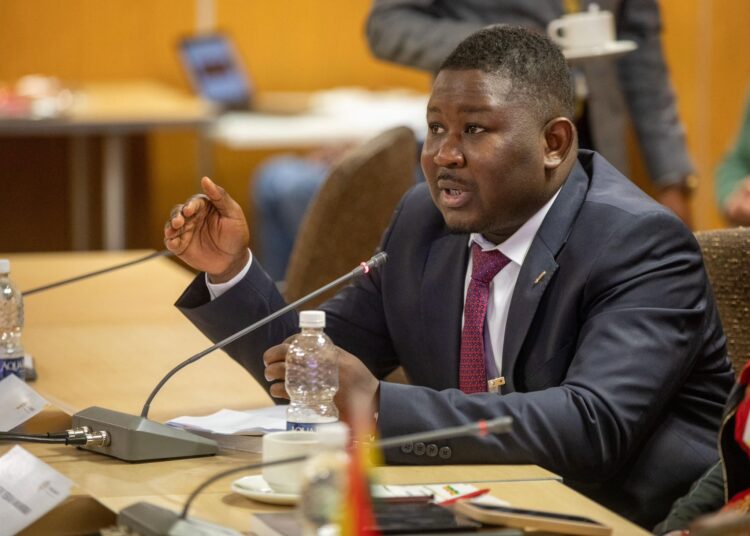
The Sagnarigu Member of Parliament, Honourable Atta Issah, has challenged the Minority Caucus to broaden its proposed parliamentary inquiry into the Domestic Gold Purchase Programme to cover the programme’s entire operational history.
He argued that an investigation limited to the 2025 financial year would not provide a complete picture of the programme’s performance, insisting that Parliament must examine the figures recorded across the different years if the objective is genuine accountability. Honourable Issah made the call while discussing the Minority’s motion seeking an investigation into losses associated with the Domestic Gold Purchase Programme and the involvement of the Bank of Ghana.

He noted that after initially expressing concern over claims that the Gold Board incurred losses, his assessment changed after reviewing the audited financial statements available to Parliament. The Sagnarigu MP indicated that the current motion presented by the Minority did not specifically mention the Gold Board, despite subsequent discussions surrounding the state owned gold trading institution and its Chief Executive Officer.
“That is why I am saying that if we agree with the motion, the only people we will be inviting will be the Central Bank. There is no mention of Gold Board at all in the motion, so why did you drag in the CEO of Gold Board and the whole Gold Board?”
Honourable Atta Issah
Honourable Issah, however, indicated that he is prepared to support an investigation if Parliament expands its terms of reference to capture the programme’s history and the institutions involved in its implementation. He pointed to commentary from the International Monetary Fund which, in his interpretation, recommends that the financial performance of the gold programme should be assessed within its historical context instead of concentrating on a single year.
According to him, the historical assessment should cover the period from 2022 through 2025, allowing Parliament to establish how the programme evolved and how its financial outcomes changed over time. The MP cited figures contained in the IMF commentary, including reported amounts of GH¢74.44 million in 2022, GH¢1.37 billion in 2023 and GH¢5.66 billion in 2024 under a broad net loss calculation.
Examining the figures across the entire period, he said, would enable Parliament and the public to understand the circumstances surrounding the programme and determine where responsibility lies. Consequently, the MP proposed that the investigation should extend beyond the Bank of Ghana to include the Gold Board and the Precious Minerals Marketing Company.
He also called for the involvement of former Bank of Ghana Governor Dr Ernest Addison, arguing that his experience with the programme would be relevant to any comprehensive parliamentary inquiry.
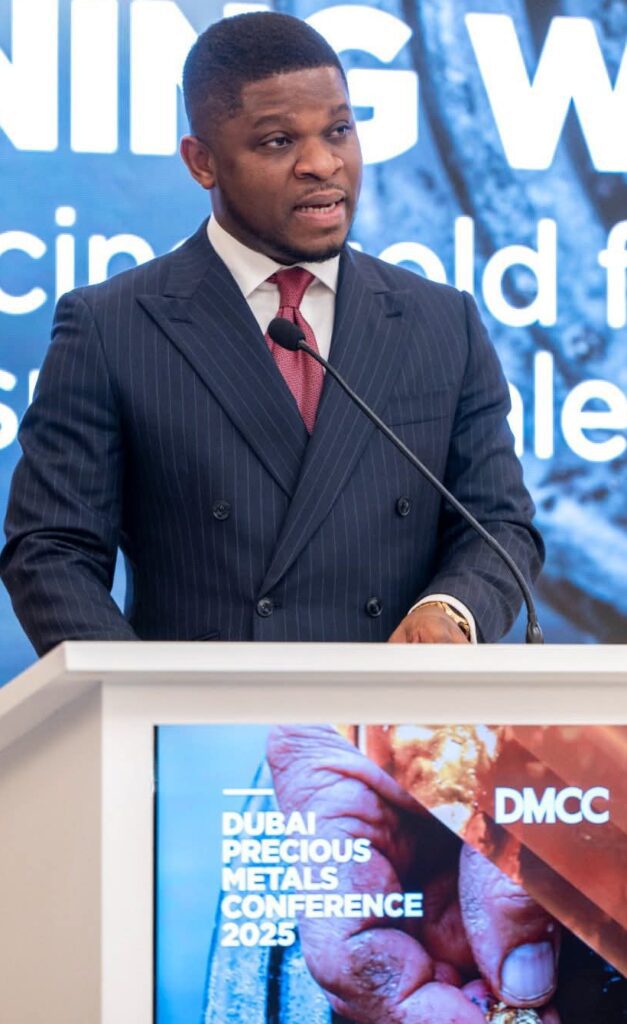
“I fully endorse the call for accountability on the Domestic Gold Purchase Programme, however, we have to start it from 2022. Let’s expand the scope to look for the original statement made by the Minority that the Gold Board has made losses.”
Honourable Atta Issah
The Sagnarigu MP stressed that his position is not intended to obstruct the Minority’s demand for accountability but to ensure that the exercise was sufficiently broad to establish the facts. He also backed calls for the proceedings to be televised, saying the public deserved an opportunity to follow the evidence and understand the circumstances surrounding the reported financial figures.
Gold Off Takers To Be Disclosed To Protect Public Resources
The Sagnarigu Member of Parliament, Honourable Atta Issah, also backed calls for greater transparency over the identity of companies and individuals who purchase gold through the Domestic Gold Purchase Programme. He identified disclosure of the off takers as an important part of efforts to protect public resources, particularly where discounts are involved in gold transactions.
Honourable Issah made the observation while responding to questions about demands for information on the beneficiaries of discounted gold sales under the programme. He acknowledged the importance of knowing the identities of the off takers but questioned why the matter has to become the subject of a public political campaign when existing legal mechanisms could be used to obtain the information.
Pointing to the Right to Information Act, he argued that it is one avenue where individuals and organisations seeking details from public institutions. He explained that journalists and members of the public could use the legislation to formally request information from the Gold Board and the Bank of Ghana concerning the companies or entities involved in the transactions.
“President Akufo Addo passed the RTI law. So do you know that they didn’t need a press conference to elicit this information? Even Media houses can use an RTI to get who the off takers are from Gold Board and Bank of Ghana.”
Honourable Atta Issah

Nonetheless, Honourable Issah stressed that identifying the off takers is significant because transparency around the transactions could help prevent potential abuse within the gold trading system. He particularly highlighted the need to scrutinise transactions involving discounts, noting that inadequate disclosure could create opportunities for insider dealings and the loss of valuable public resources.
“Quest for accountability is a collective duty, not caucuses. If you are asking who are the off takers, you didn’t need to do a press conference to ask that question.”
Honourable Atta Issah
According to Honourable Issah, information contained in working papers from the Gold Board indicate that some of the off takers operating in Dubai have also been involved in transactions under the previous New Patriotic Party administration. This claim, he suggested, should form part of any serious examination of the programme.
READ ALSO: Bawumia’s Gold Program Boosted Foreign Reserves Without External Eurobond Borrowing – Gideon Boako