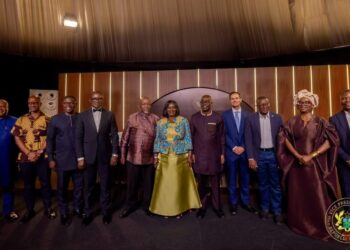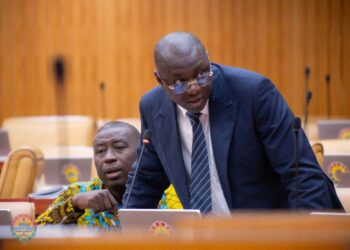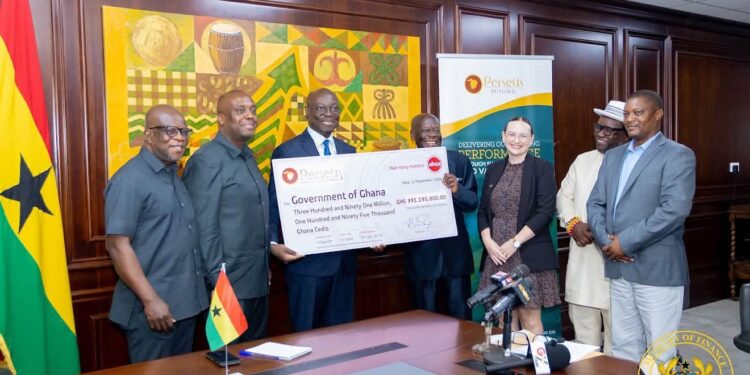
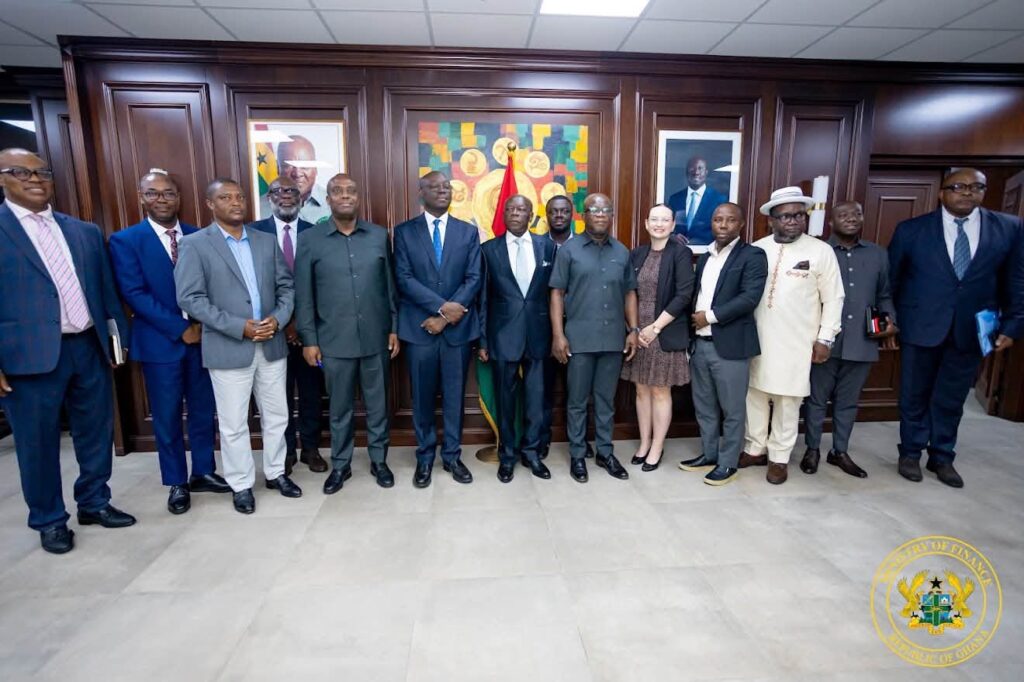
Hon. Ato Forson, Minister for Finance and Member of Parliament, has officially received a total payment of GH¢391,195,000.00, equivalent to US$35 million, as the official state dividend presented by Perseus Mining (Ghana) Limited.
This massive financial payout represents the equity share accruing to the Republic of Ghana from the gold mining giant’s operations, demonstrating a substantial revenue return from the national mining asset base. The disbursement underlines the expanding operational efficiency and sustained revenue output recorded at the mining firm’s concessions across the country.
“On behalf of the Government and people of Ghana, I thank Perseus Mining (Ghana) Limited for presenting GH¢391,195,000.00 (US$35 million) dividend to the state—up from US$5 million last year. This strong increase reflects the company’s profitability. Ghana must receive its fair share from the extractive sector.”
Hon. Ato Forson
Expanding on this landmark development, the US$35 million remittance signifies an extraordinary seven-fold increase when measured against the US$5 million dividend paid to the state during the previous operational year.
This remarkable growth trajectory directly reflects the company’s surging profitability, driven by favorable international bullion prices, optimal yield extractions, and key efficiency gains in production. The impressive jump in dividend yields underscores the broader capacity of well-governed mineral assets to yield direct fiscal returns for the sovereign state.
Fiscal Reforms Drive Equitable Wealth Distribution
The remarkable revenue growth realized from Perseus Mining validates the strategic merit of modern fiscal interventions introduced within Ghana’s natural resource governance framework.
Central to this revenue expansion is the progressive sliding-scale royalty mechanism, which ensures that state revenues automatically adjust upward in response to rising global commodity prices and higher operational earnings.
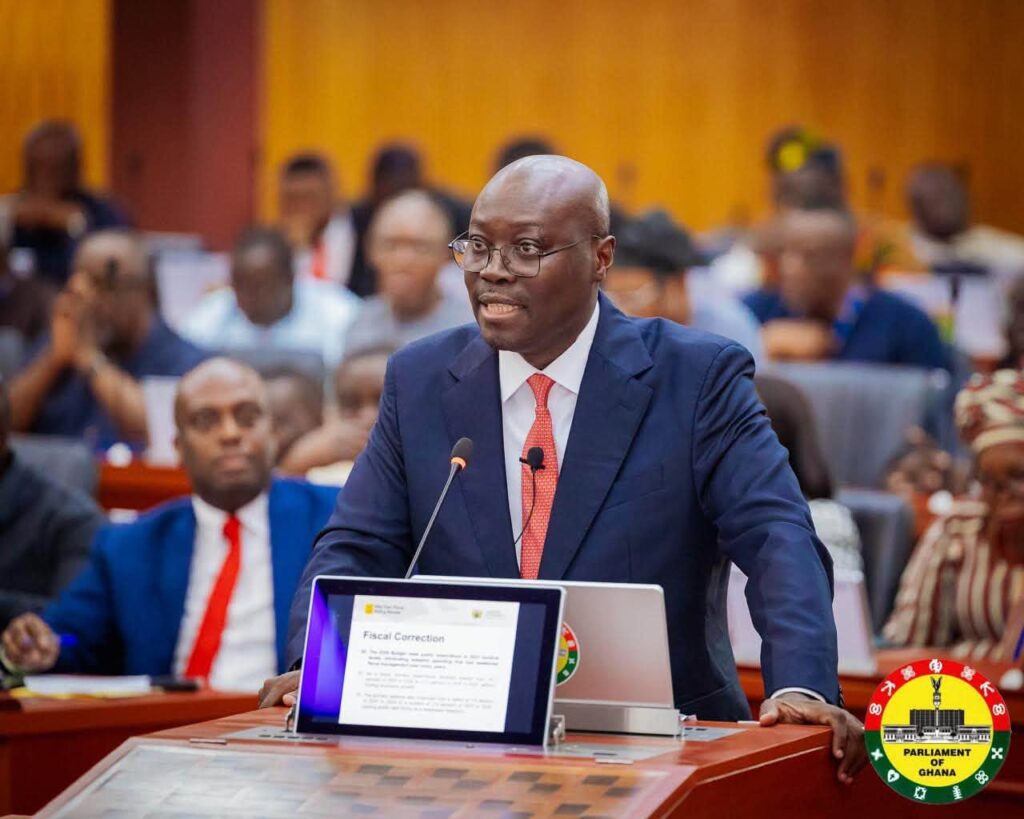
The finance minister emphasized the core philosophy behind this regulatory structure, pointing out that “when mining companies earn more, the people of Ghana must benefit more!” through enhanced state equity returns and resource receipts.
By enforcing flexible fiscal systems, the country ensures that foreign direct investments yield tangible domestic dividends without choking corporate profitability during leaner market cycles.
Analysts in the extractive sector observe that such run-in mechanisms allow the government to capture a higher percentage of windfall profits during global gold price surges. Consequently, the strategy balances commercial sustainability for resource extraction operators with maximum national equity yield, securing equitable value creation across the entire mineral value chain.
Strategic Allocation for Macroeconomic Stability
The injection of GH¢391.19 million into state coffers provides critical budgetary support at a crucial moment for national fiscal consolidation.
Economists note that direct non-tax revenue inflows of this magnitude enhance foreign exchange liquidity, directly easing domestic currency pressure and supporting foreign reserves management.
The capital injection provides the Treasury with non-debt funding to service crucial public obligations, reducing reliance on commercial borrowing and creating room for strategic fiscal stabilization.
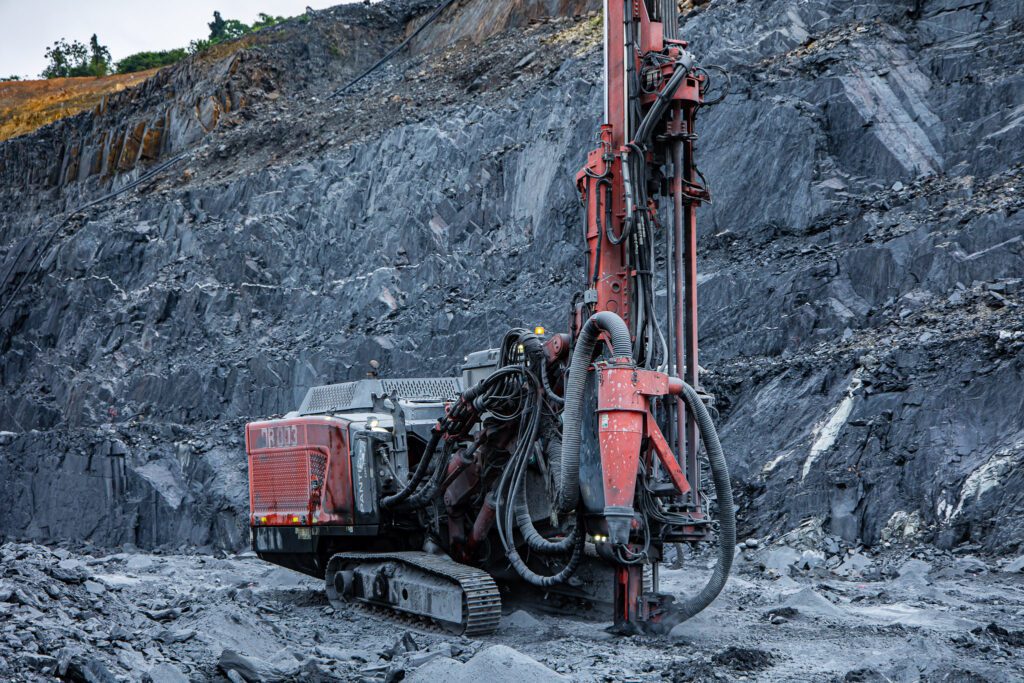
Furthermore, these dividend proceeds strengthen the sovereign wealth allocation framework managed through statutory channels such as the Minerals Income Investment Fund (MIIF).
By channeling mining dividends into institutional wealth vehicles, Ghana can build robust fiscal buffers against future commodity price volatility. This disciplined revenue deployment stabilizes the broader macroeconomic environment while signaling to international investors that Ghana remains a high-yielding, policy-predictable mining jurisdiction.
Transforming Resource Wealth into Sustainable Infrastructure
Beyond broad macroeconomic stabilization, the US$35 million capital payout holds direct potential for accelerated socioeconomic transformation across local communities and mining catchments.
A primary avenue for these funds is the construction and expansion of critical public infrastructure, including feeder roads, rural health facilities, clean water networks, and educational institutions in mineral-rich districts.

Reinvesting extractive returns into physical capital ensures that depleted underground natural resources are permanently transformed into tangible, surface-level community assets.
Additionally, local content expansion and environmental remediation projects stand to gain significantly from sustained state dividend flows.
Portions of these extractive yields can be targeted toward reclamation initiatives, small-scale mining regulation, and agricultural diversification programs in host mining areas.
Through rigorous financial management, the dramatic growth in dividends from operators like Perseus Mining establishes a viable roadmap for leveraging resource wealth into long-term, sustainable human capital development across Ghana.
READ ALSO: Feed Children Five Times A Week Without Fail — Northern Regional Minister