The Ghana Enterprises Agency (GEA) has convened a high level stakeholder engagement to discuss its 2026–2030 strategic plan, outlining an ambitious roadmap to transform Ghana’s Micro, Small and Medium Enterprises (MSME) sector over the next five years.
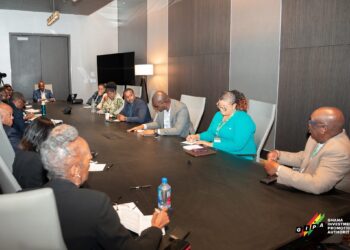
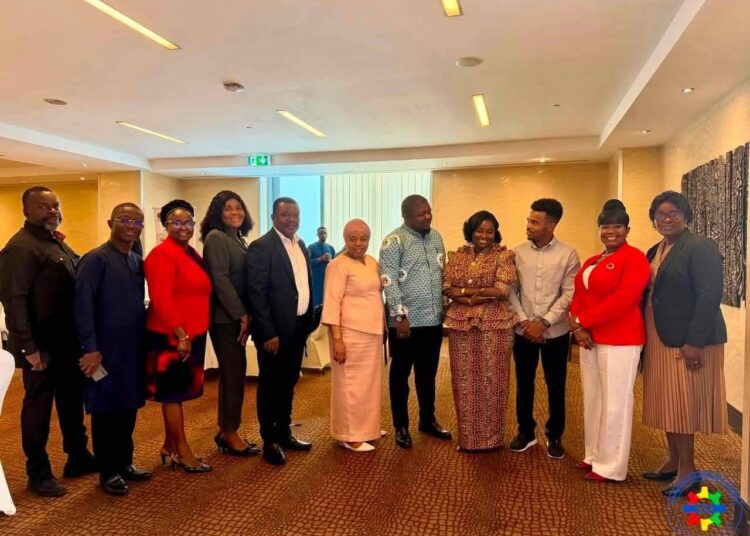
The engagement, held in Accra, brought together a broad spectrum of actors including government institutions, development partners, donor agencies, financial institutions and private sector representatives to deliberate on the Agency’s strategic direction and priority programmes.
According to GEA, the meeting provided a critical platform to align development partner priorities with its own strategy, consolidate key commitments, define areas of cooperation, and chart next steps in strengthening support for Ghana’s MSME sector.
Speaking at the engagement, leadership of the Agency Miss Magarete Ansei, the CEO emphasized that the 2026–2030 Strategic Plan comes at a defining moment for Ghana’s economy, where MSMEs remain the backbone of employment, innovation and inclusive growth.
‘’The plan is expected to guide GEA’s interventions in enterprise development, access to finance, business development services, formalization, digitization, and market access, among others.’’
Miss Ansei
Ghana’s MSME sector accounts for over 80 percent of businesses and more than 70 percent of employment, yet many enterprises continue to face challenges including limited access to affordable credit, weak business management capacity, low technology adoption and vulnerability to economic shocks.
GEA said its new strategic plan is designed to directly address these bottlenecks through a more coordinated, ecosystem based approach. A key objective of the stakeholder meeting was to avoid duplication of efforts and ensure that donor funded programmes and government initiatives are better aligned under a common framework.
For years, development partners including the World Bank, African Development Bank, European Union, GIZ, UNDP and others have supported various MSME programmes in Ghana, but stakeholders have often cited fragmentation and lack of synergy as major constraints to impact.
Engagement Maps Gaps, Seek Joint Action to Boost MSME Support
The engagement therefore focused on mapping existing interventions, identifying gaps, and agreeing on areas where joint action could deliver greater results.
Participants deliberated on priority thematic areas including youth and women entrepreneurship, green and sustainable enterprises, access to finance for MSMEs, digital transformation, and strengthening of Business Development Service providers.
Financial institutions at the meeting also highlighted the need for de-risking mechanisms, improved credit information, and tailored financial products to serve MSMEs, particularly those in the informal sector.
Development partners, for their part, welcomed GEA’s leadership in convening the dialogue and expressed commitment to aligning their upcoming programmes with the Agency’s strategic priorities.
One development partner representative noted that a clear, costed strategic plan from GEA makes it easier for donors to commit resources and measure outcomes, compared to ad-hoc project support.
The GEA leadership assured stakeholders that the Agency will institutionalize regular stakeholder engagements to track progress of the plan’s implementation, share lessons and adapt to changing economic conditions.
Beyond alignment, the Agency said the engagement was also about building purposeful partnerships that go beyond funding to include technical expertise, knowledge sharing, and co-creation of solutions for enterprise development.

GEA to Scale up Flagship Programme, Target Export and Climate Resilience
As part of its 2026–2030 strategy, GEA is expected to scale up flagship programmes such as the Ghana Jobs and Skills Project, the SME High Growth Programme, and the YouStart initiative, while introducing new interventions focused on export readiness, product standardization and climate resilience for small businesses.
The Agency also plans to strengthen its district-level presence to ensure that support reaches enterprises in rural and peri-urban areas, not just those in Accra and other major cities. For many stakeholders, the success of the strategic plan will depend on effective implementation and accountability.
Business associations present called for greater private sector involvement in monitoring and for transparent reporting on results, including the number of businesses supported, jobs created and access to finance facilitated.
The Agency said it will in the coming weeks publish a detailed communique outlining key commitments made by stakeholders and the agreed roadmap for joint implementation.
As GEA advances the implementation of its 2026-2030 Strategic Plan, the Agency remains committed to building purposeful partnerships that strengthen the enterprise development ecosystem , improve the effectiveness of MSMEs Support.
With the engagement concluded, attention now turns to execution, with GEA expected to lead coordination efforts to ensure that the 2026–2030 Strategic Plan translates into tangible improvements for millions of Ghanaian entrepreneurs across the country.