Ghana’s inflation rate climbed to 5.0% in August 2026, raising fresh concerns about the sustainability of the country’s recent disinflation gains.
The latest figures from the Ghana Statistical Service (GSS) show that year-on-year inflation increased by 0.4 percentage points from 4.6% recorded in July. The increase represents the second consecutive monthly rise and signals renewed pressure on households already facing elevated costs for essential goods and services.
Despite the latest increase, August inflation remains significantly below the 5.5% recorded during the same month in 2025.
Inflation Rises Again as Price Pressures Return
The August figures point to a changing pattern in Ghana’s inflation story.
While inflation had fallen sharply over the past year, the latest increase suggests that the battle against rising prices is entering a new phase. Instead of imported products driving the pressure, domestic costs are increasingly becoming the main source of inflation.
Locally produced items recorded inflation of 6.1% in August, up from 5.9% in July. By comparison, imported inflation stood at just 2.2%, slightly higher than the 2.1% recorded in July.
The data indicate that 86.2% of total inflation was driven by locally produced items and services.
This development places greater attention on domestic production costs, transportation, energy, rent, wages and other operating expenses affecting businesses and households.
Tomato Prices Soar 458%
One of the biggest shocks in the latest inflation figures came from fresh tomatoes.
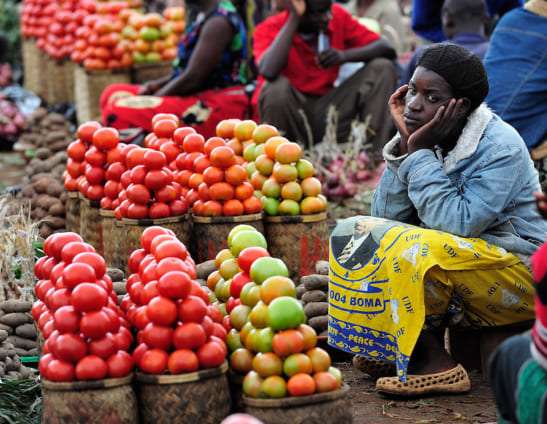
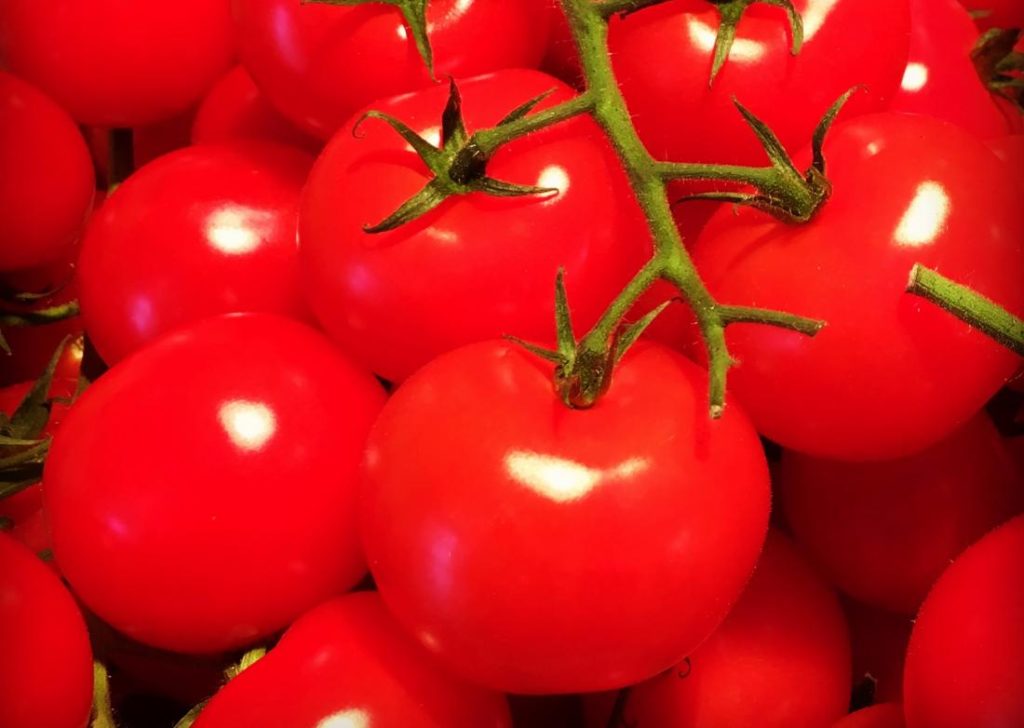
The GSS price-mover data showed that tomato prices surged by a staggering 458.3% year-on-year, making the commodity the biggest price mover in August.
Ginger followed with a 128.3% increase, while shrimp prices rose by 67.1% and mango prices increased by 57.7%.
Other products and services that recorded significant increases included parking space and other services, which rose by 40.0%, fresh coconut by 38.0%, charcoal by 35.6%, fresh green pepper by 30.5% and cabbage by 29.8%.
The sharp rise in the prices of commonly consumed food items is likely to be felt strongly by households, traders, restaurants and food vendors.
However, not every item became more expensive. Lime prices fell by 33.7%, maize declined by 31.3%, while cocoyam leaves, sweet apples, fried fish and pawpaw also recorded significant price reductions.
Food Inflation Falls, But Households Still Feel the Heat
Interestingly, food and non-alcoholic beverages inflation eased marginally from 3.1% in July to 3.0% in August.
The decline could suggest some moderation in broader food price pressures. Yet the significant increases recorded by individual food items show why consumers may still feel squeezed when shopping for everyday necessities.
Fresh tomatoes alone accounted for approximately 21.4% of the total contribution to inflation.
Rent payments followed with a 14.7% contribution, while ginger contributed 12.2%.
Other major contributors included charcoal, cooked rice, yam, school fees, bus and trotro fares, electricity and hotel accommodation.
Non-Food Costs Dominate Inflation
Non-food inflation remained the biggest driver of the August increase.
It rose from 6.7% in July to 6.8% in August and accounted for 70.9% of total inflation. Food inflation, meanwhile, contributed 29.1%.
Housing, water and energy recorded inflation of about 10.2%, while transport inflation reached 10.5%.
Education services recorded inflation of 6.6%, while clothing and footwear stood at approximately 8.0%.
These figures are particularly significant because many of these expenses are difficult for households to avoid.
Rent, electricity, transportation and education are essential expenditures. Even when consumers reduce spending on discretionary items, they may have little choice but to continue paying these costs.
Services Inflation Adds to the Pressure
Services inflation also increased in August, rising from 8.5% in July to 8.6%.
Goods inflation climbed from 3.6% to 3.8%.
This means services prices are increasing at more than twice the rate of goods prices, creating another challenge for policymakers.
Insurance, transport, housing and education were among the areas contributing to services inflation.
Unlike imported goods, services are heavily influenced by domestic conditions. Rising wages, fuel and transport expenses, electricity charges, rent and other operating costs can all feed into the prices consumers eventually pay.

Central Region Records Highest Inflation
Regional figures reveal major differences in the cost pressures facing households across Ghana.
The Central Region recorded the highest inflation rate at 11.1%, more than twice the national average.
Ashanti Region followed with 8.7%, while Greater Accra recorded 5.0%, matching the national figure.
At the other end of the scale, Bono East recorded the lowest inflation rate at 3.3%. Volta followed at 3.6%, while Upper East recorded 3.7%.
The wide regional gap highlights how the cost of living can vary considerably depending on location.
Monthly Prices Actually Declined
Despite the annual inflation increase, the monthly picture offered some relief.
The general price level declined by 1.0% in August compared with July 2026.
The Consumer Price Index stood at 268.5 in August, compared with 255.7 a year earlier, representing a 12.8-point increase over the 12-month period.
The combination of rising year-on-year inflation and falling monthly prices suggests that the latest increase needs to be viewed alongside individual price movements and broader domestic cost conditions.
Fresh Challenge for Ghana’s Inflation Fight
The August figures provide a warning that Ghana’s disinflation gains cannot be taken for granted.
The relatively low imported inflation rate suggests that improved exchange-rate conditions are helping contain foreign price pressures. However, domestic costs are emerging as the bigger challenge.
With housing, transport, education, utilities and services continuing to record strong inflation, policymakers may face increasing pressure to tackle the underlying costs of producing and delivering goods and services.
For ordinary Ghanaians, the latest numbers mean that even with headline inflation at a comparatively low 5.0%, the cost of essential items can still rise sharply.
The battle against inflation, therefore, appears to be entering a new phase, with home-grown cost pressures likely to determine whether Ghana can sustain its hard-won disinflation gains.
READ ALSO: Ghana Reference Rate Plunges, Borrowers Brace for Cheaper Loans