
Dr. Steve Manteaw, Co-Chair of the Ghana Extractive Industries Transparency Initiative (GHEITI) and leading minerals governance expert, has publicly challenged former Minister of Finance, Hon. Dr. Mohammed Amin Adam (Amin Anta), regarding accountability standards in the management of Ghana’s gold and extractive policies.
Dr. Manteaw questioned why the former minister, who previously served as the government-designated GHEITI Champion hosted directly within the Ministry of Finance, failed to answer crucial public accountability inquiries raised by the oversight body regarding the Gold for Oil (G4O) programme during his tenure.
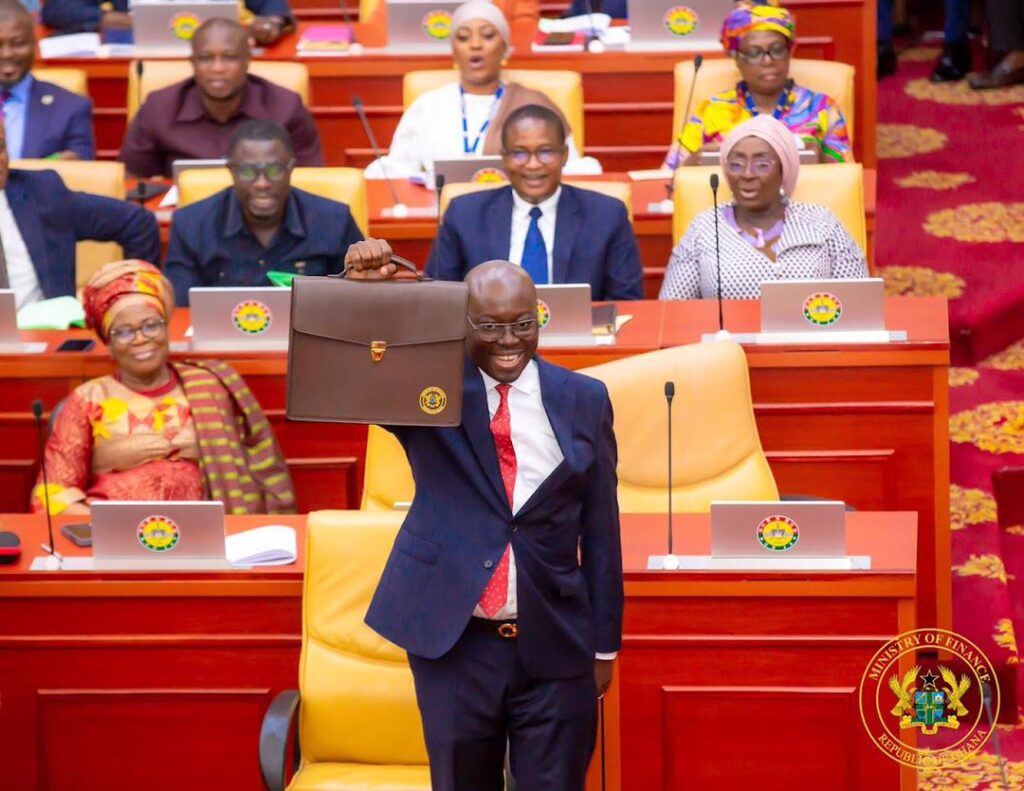
The challenge comes as Dr. Amin Anta actively demands public transparency and operational disclosures from the newly established GoldBod and the Bank of Ghana regarding national gold purchase and reserve operations.
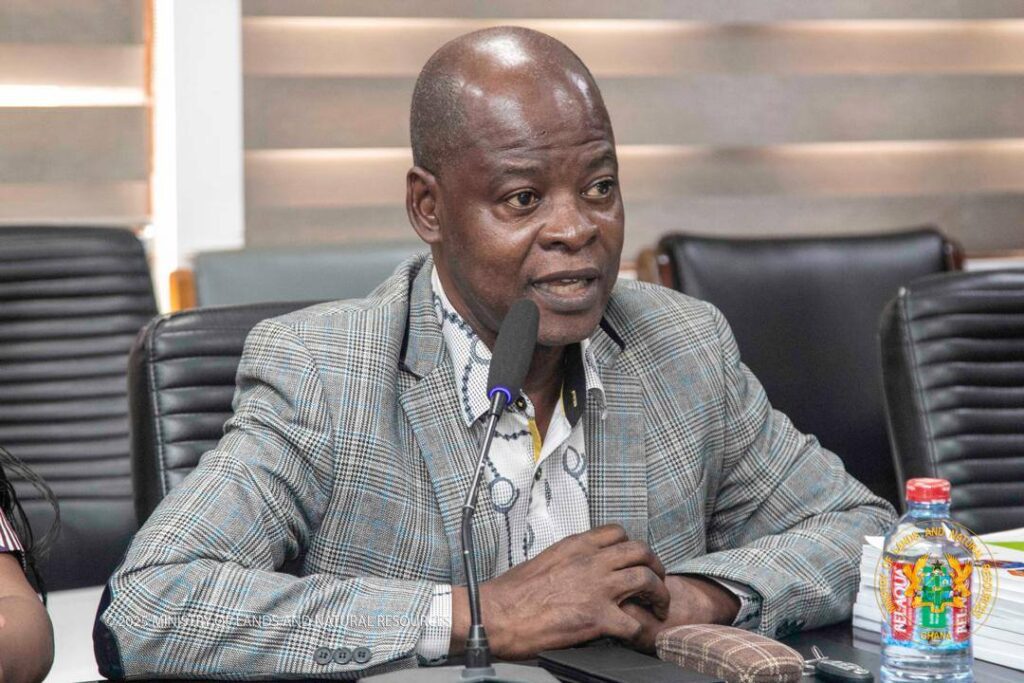
“At the time, Hon. Dr Mohammed Amin Anta was at the Ministry of Finance. He was also the GHEITI Champion. He should tell Ghanaians whether or not his government responded to these demands made by an accountability institution, hosted within his own ministry. I am not dismissing the demands he is making of the GoldBod and the Bank of Ghana today, but he who comes to equity must come with clean hands.”
Dr. Steve Manteaw,
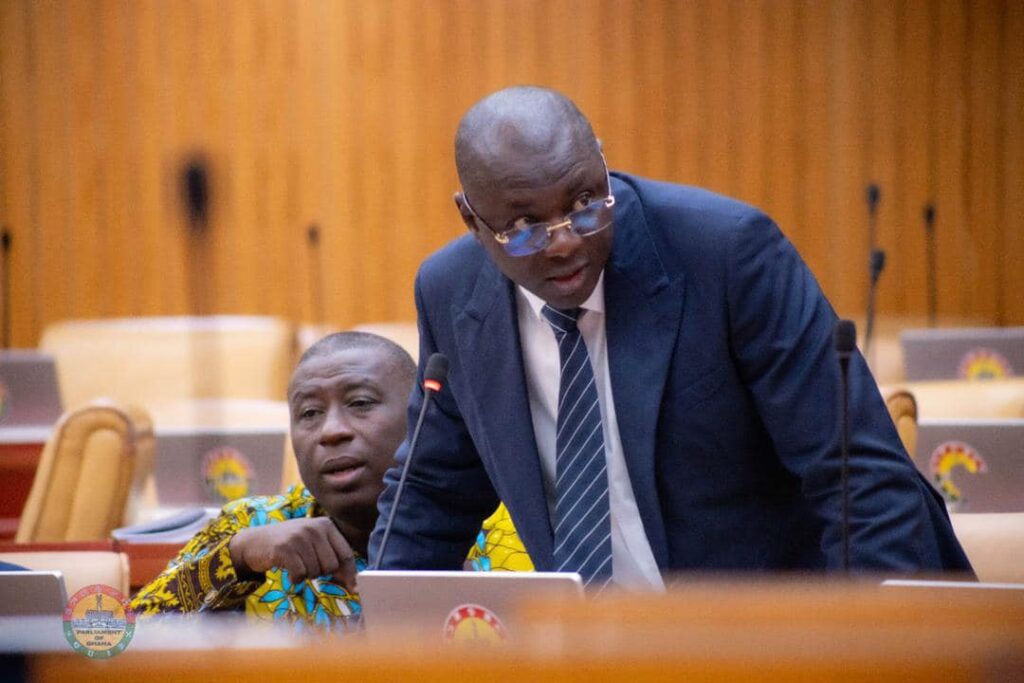
Dr. Manteaw emphasized that institutional integrity requires consistent principles across both government and opposition oversight roles.
While serving as the GHEITI Champion within the Ministry of Finance, Dr. Amin Anta held direct administrative and policy responsibility to facilitate official responses to GHEITI’s structural reports.
During the implementation of the Gold for Oil initiative, GHEITI formally raised critical operational concerns regarding financial transactions, buyer selection, and pricing frameworks, none of which received formal clarification or official policy disclosures from the ministry.
Consequently, Dr. Manteaw argues that demanding transparency from current monetary and mineral regulatory institutions while ignoring unanswered governance queries from one’s own tenure creates a fundamental standard of selective accountability.
Unanswered Financial Mechanisms and Selection Criteria
The core of GHEITI’s unresolved inquiries centers on the exact financial mechanisms and fiscal sources utilized by the state to raise domestic funds for purchasing local gold.
Governance experts and industry stakeholders raised concerns over whether public revenues, central bank reserves, or off-budget financing vehicles were leveraged to back local gold purchases.

Furthermore, GHEITI demanded clear, standardized guidelines detailing how international oil traders, local buyers, and petroleum suppliers were selected for selling gold and acquiring refined fuel.
Without clear public procurement guidelines, the selection process remained opaque, raising questions about market fairness and equal access for local market participants.
Pricing Opaque Structures and Artisanal Mining Safeguards
Pricing transparency formed another critical pillar of GHEITI’s unaddressed policy queries regarding refined petroleum imports.
The initiative sought a comprehensive breakdown of the pricing methodologies applied when swapping gold for refined fuel to ensure the state was not incurring inflated transaction costs or unfavourable exchange rates.
Additionally, GHEITI raised major environmental and regulatory questions regarding artisanal and small-scale mining (ASM) gold.
Specifically, the accountability body questioned whether gold sourced from small-scale miners underwent formal refining to international purity standards before being exported or swapped, or if unrefined gold was entering state supply chains without adequate environmental and origin tracing.
Institutional Equity and the Imperative for Governance Consistency
The demand for complete answers to these historical queries remains crucial to establishing institutional precedent and institutional trust in Ghana’s extractive sector.
When state initiatives operate without clear public disclosures, they risk weakening sovereign mineral governance frameworks and undermining Extractive Industries Transparency Initiative standards.
As public debates surrounding gold reserves, central bank balance sheets, and mineral export regulations expand, addressing unanswered administrative queries ensures that governance remains rooted in systemic transparency rather than selective political critiques.
Public policy experts maintain that answering past accountability requests is necessary to strengthen future statutory bodies such as GoldBod.
READ ALSO: King Promise Stages Chelsea Fan Football Tournament in Labadi Saturday