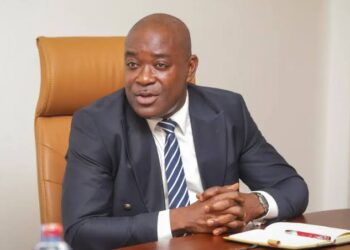
The Director-General of the State Interests and Governance Authority (SIGA), Professor Michael Kpessa-Whyte, has acknowledged that foreign exchange gains played a major role in the improved financial performance of State Owned Enterprises in 2025. He explained, however, that the contribution of forex should be viewed within the wider economic environment instead of being treated as the sole explanation for the sector’s return to profitability.
The 2025 State Ownership Report recorded a dramatic turnaround, with SOEs moving from a consolidated net loss of GH¢2.25 billion in 2024 to a net profit after tax of GH¢19.80 billion in 2025. Professor Kpessa-Whyte disclosed that more than half of the profit margins were shaped largely by foreign exchange movements, following the significant appreciation of the cedi during the year.
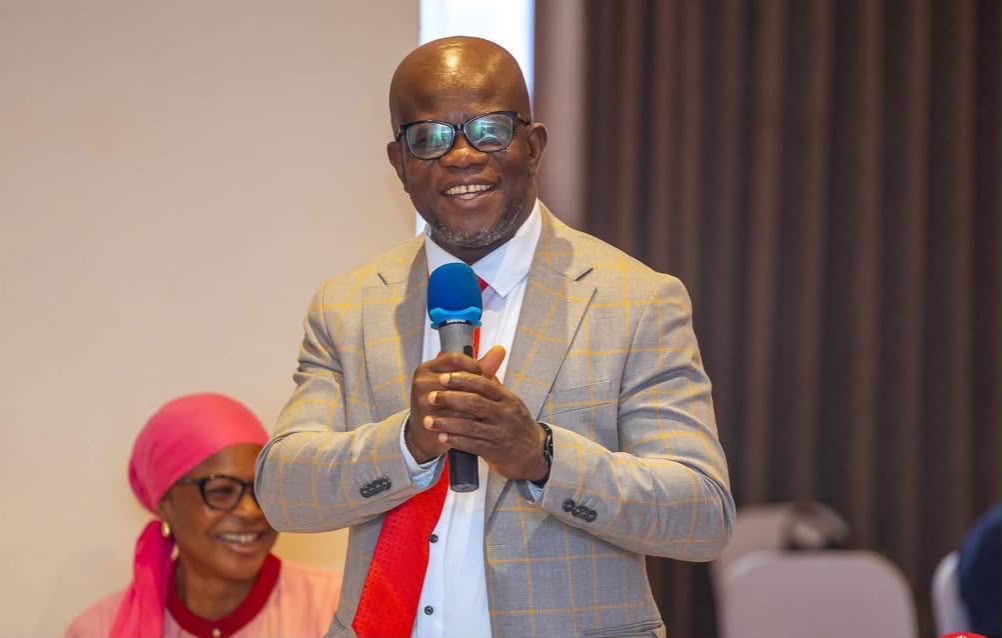
Speaking about the criticism surrounding the figures, the SIGA Director-General indicated that the Authority has already disclosed the influence of forex in the report and therefore did not consider the issue a new discovery. He pointed out that the foreword he personally signed referenced the effect of improved foreign exchange conditions in three separate places.
“It is true that forex was a significant part of it. But to say that forex alone provides the overall explanation is not necessarily the case.”
Professor Michael Kpessa-Whyte
Directing attention to the wider economy, Professor Kpessa-Whyte argued that State Owned Enterprises cannot be assessed in isolation from the macroeconomic conditions within which they operate. Institutions such as COCOBOD, ECG and Ghana Water Company function within the same economic environment, meaning movements in the exchange rate, inflation and financing conditions inevitably affect their financial results.
The 2025 figures illustrate that connection, as SOEs recorded GH¢11.72 billion in net foreign exchange earnings after posting a GH¢12.01 billion foreign exchange loss in 2024. At the same time, consolidated finance costs declined by 42.49 percent, while total SOE revenue increased by 28.12 percent from GH¢137.64 billion to GH¢176.43 billion.
Analysing the development further, the Director-General argued that the improvement in the macroeconomic environment created conditions in which boards and management teams could make decisions with greater predictability. He suggested that when exchange rate movements become less volatile, institutions can plan more effectively, manage their obligations and make operational decisions with greater confidence.
Moreover, Professor Kpessa-Whyte urged Ghanaians to give credit to those managing the economy for creating an environment that allowed the enterprises to demonstrate their financial potential. In his view, separating the forex effect completely from institutional performance would overlook the interaction between national economic conditions and the decisions made within individual entities.
The report itself supports the view that the turnaround was broader than exchange rate movements alone, with agriculture, manufacturing and infrastructure recording substantial revenue increases of 203.71 percent, 114.74 percent and 92.24 percent respectively. Profit before interest and tax also rose to GH¢25.49 billion, indicating that other operational factors contributed to the stronger outcome.
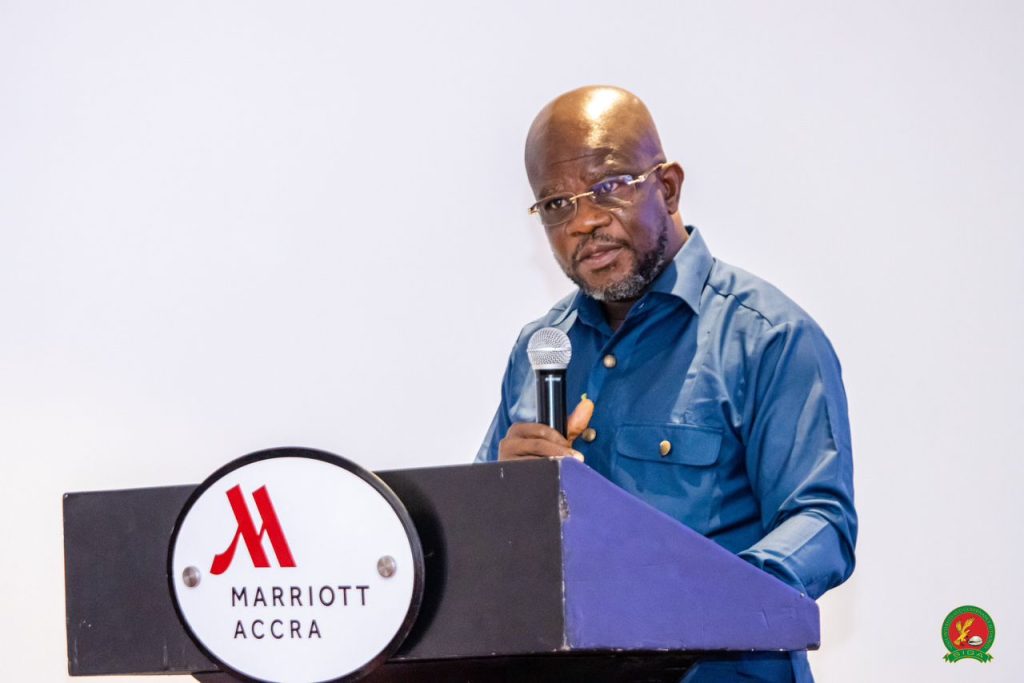
Therefore, the SIGA Director-General believes the most important lesson from the figures is the evidence that state enterprises possess the capacity to perform when the surrounding economic conditions improve. He nevertheless stressed the importance of reading the full report before drawing conclusions about how much of the turnaround came from exchange rate gains and how much resulted from improvements within the enterprises themselves.
Strong Governance, An Influence That Helped Drive SOEs Turnaround
The Director-General of the State Interests and Governance Authority, Professor Michael Kpessa-Whyte, also attributed part of the improved performance of State Owned Enterprises in 2025 to stronger governance and closer oversight of management. He explained that the financial figures should not be viewed only through the lens of the cedi’s appreciation because decisions taken by boards and managers also influenced the outcome.
Speaking about the developments, Professor Kpessa-Whyte pointed to President John Mahama’s engagement with heads of state entities shortly after assuming office in 2025 as an important signal to management. He recalled that the President’s meeting with the heads of entities at Kempinski on March 18 delivered a firm message that those entrusted with public institutions are expected to always perform and provide results.
According to the Director-General, that intervention established a clear expectation of accountability at the beginning of the administration. He revealed that the message was reinforced later in the year through further meetings involving heads of entities and senior government officials, ensuring that management remained focused on delivering against expectations.
Directing attention to the significance of the governance measures, Professor Kpessa-Whyte intimated that management teams perform differently when they understand that their decisions will be closely monitored. Regular communication from the Chief of Staff’s Office to heads of entities, he added, reinforced the expectation that public institutions had to remain focused on protecting the national interest.
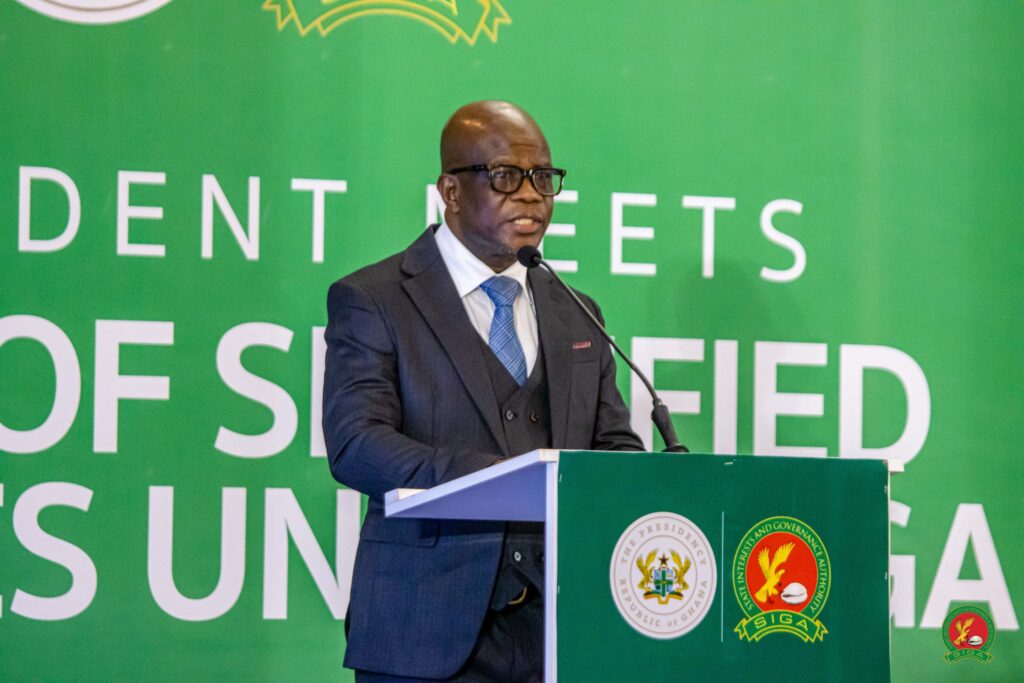
Moreover, the report showed that the improvement was not uniform across the entire state enterprise sector. Five SOEs, including the Electricity Company of Ghana, Ghana Cylinder Manufacturing Company, Ghana National Petroleum Authority, Graphic Communications Group and Ghana Digital Centre, recorded losses in every year from 2021 to 2025.
Analysing this mixed performance, the Director-General indicated that the figures should encourage institutions that are still struggling to recognise the potential for improvement. He noted that the public discussion generated by the report could itself strengthen accountability because managers now know that citizens are paying closer attention to the financial performance of entities operating with public resources.
The publication has indeed generated considerable public interest since its release, with Professor Kpessa-Whyte welcoming the scrutiny as an important part of public accountability. He explained that the money invested in state enterprises belongs to Ghanaians and that citizens should therefore remain interested in how those resources are managed.
Additionally, the Director-General believes the growing attention could influence the performance of entities in subsequent years. He suggested that management teams would want their institutions to feature among the better performing entities in future reports, creating an incentive for them to improve their operations and financial results.