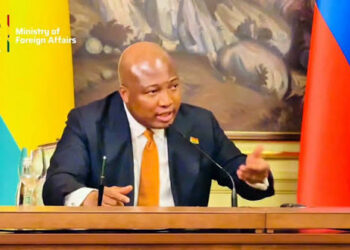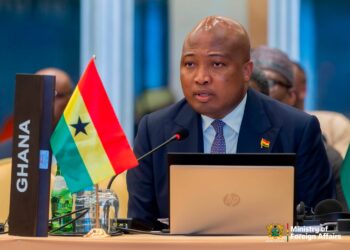
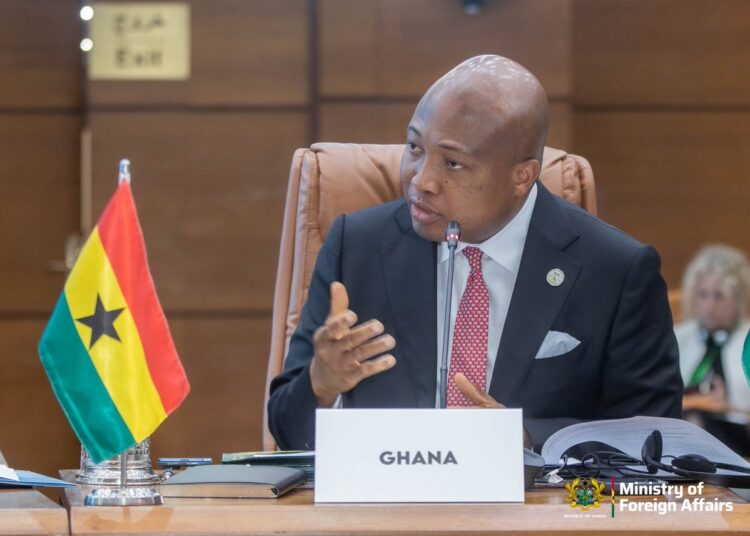
Ghana’s Foreign Affairs Minister Samuel Okudzeto Ablakwa has disclosed that the country has repatriated 4,972 citizens from distress situations across multiple countries since 2025, a figure that excludes the nearly 2,000 Ghanaians evacuated from South Africa, revealing the scale of crisis response the Ministry of Foreign Affairs has managed simultaneously across several continents.
The disclosure came as part of a broader update on the South Africa evacuation, but Hon Ablakwa used the occasion to address what he described as public misconceptions about the government’s attentiveness to Ghanaians facing danger in other parts of the world, particularly Libya.
“I have observed some concerns, particularly on social media, that perhaps we are not paying attention to the situation in Libya. That is not accurate. The situation in Libya has attracted our full attention. We have a mission in Tripoli, and our colleagues there have been on top of the situation working with us.”
Minister for Foreign Affairs, Samuel Okudzeto Ablakwa
He confirmed that 3,807 Ghanaians have been successfully repatriated from Libya, by far the largest single-country figure among the repatriation cases he disclosed, and thanked Ireland for its support in that effort.
A Pattern Tied to Fraudulent Recruitment
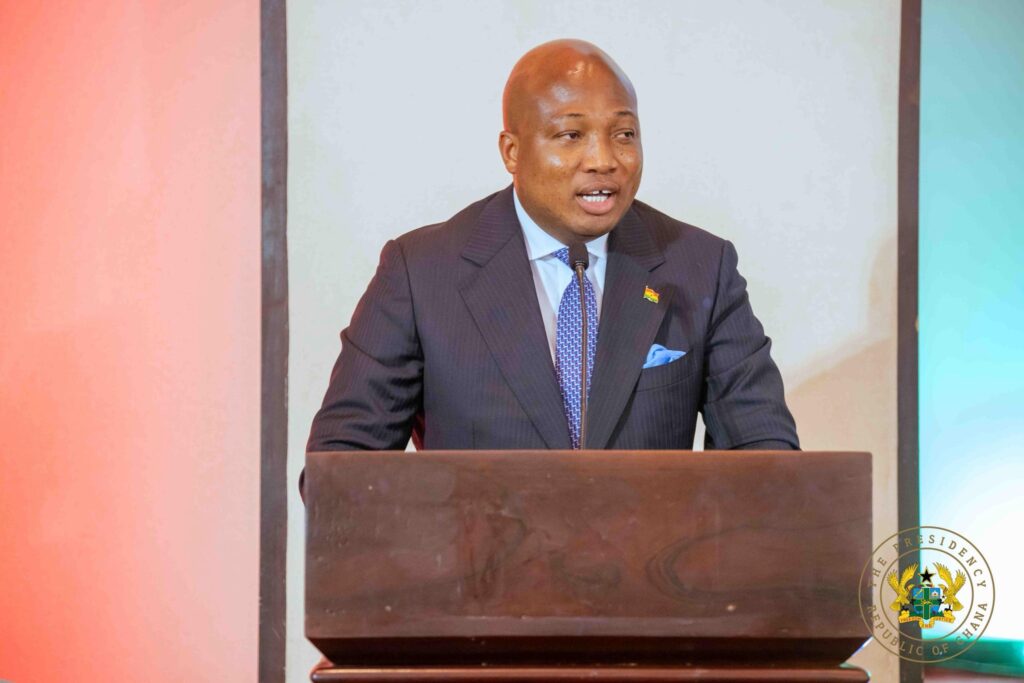
Several of the repatriation cases Ablakwa detailed shared a common thread: victims of the multi-level marketing scheme QNet and related fraudulent recruitment operations.
Ghana repatriated 440 citizens from Côte d’Ivoire, described as largely QNet victims alongside people affected by a mass demolition exercise, and 246 from Nigeria, also largely linked to QNet.
Additional repatriations spanned a wide geographic range: 244 Ghanaians from Cambodia, 201 from Algeria, 18 from Kuwait, eight from Sierra Leone, five from Mauritius, two from Morocco and one from Iraq.
Hon Ablakwa summarised the scope of this work simply. “So we are busy all over the world, in all continents,” he said. “Everywhere Ghanaians are in distress, we are there to rescue them.”
Hon Ablakwa’s remarks included a sobering disclosure about Ghanaians caught up in the Russia-Ukraine conflict, a situation distinct from the recruitment scam pattern affecting other countries.
He confirmed that 62 Ghanaians have died in the conflict, with a further 15 reported missing, figures he first disclosed during a recent official visit to Mosul. He also confirmed that two Ghanaian nationals remain held by Ukrainian authorities as prisoners of war.
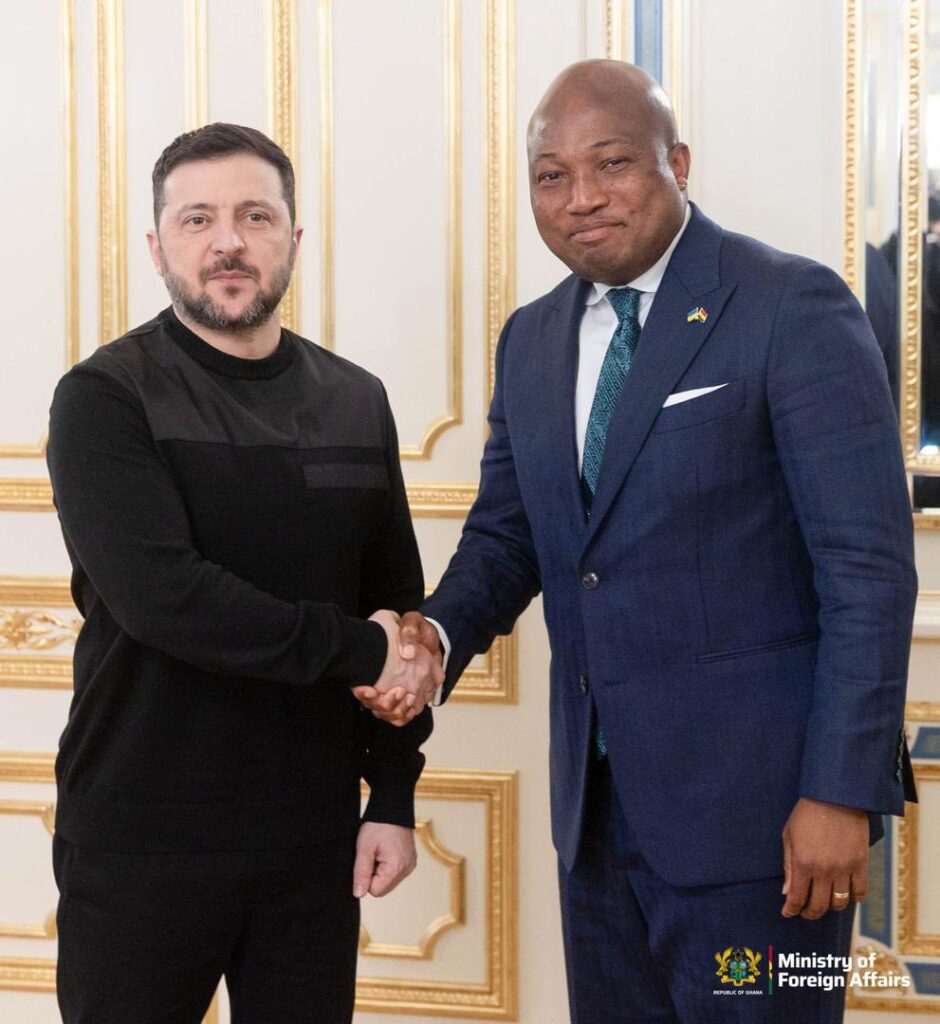
“We are actively negotiating for their release, and I’m quite confident that soon they will be released,” he said, commending Ukrainian authorities for what he described as impressive cooperation in the negotiations so far.
A Warning to Ghana’s Youth
Hon Ablakwa tied the recurring pattern of scam-related repatriations to a renewed public warning aimed at young Ghanaians considering opportunities abroad.
“The Ministry of Foreign Affairs reiterates its caution to Ghanaians, particularly the youth, to be conscious of dubious recruitment scams that lure the unsuspecting, and they end up in very pathetic conditions, in predicaments that are indeed heartbreaking”.
Minister for Foreign Affairs, Samuel Okudzeto Ablakwa
He confirmed that the government has intensified efforts to dismantle the criminal networks responsible for these schemes, warning that anyone found cooperating or conspiring with such networks would face consequences as enforcement efforts continue.
“Those who cooperate, who conspire with them, will not be spared as we intensify efforts to clamp down on their nefarious and dubious activities as we seek to protect the youth of our country”.
Minister for Foreign Affairs, Samuel Okudzeto Ablakwa
The Financial and Logistical Burden Behind the Numbers
Hon Ablakwa connected the scale of these repatriation efforts directly to the government’s decision to establish the Ghanaian Diaspora Council Fund, arguing that responding to crises across so many countries simultaneously has placed sustained strain on the Ministry’s resources.
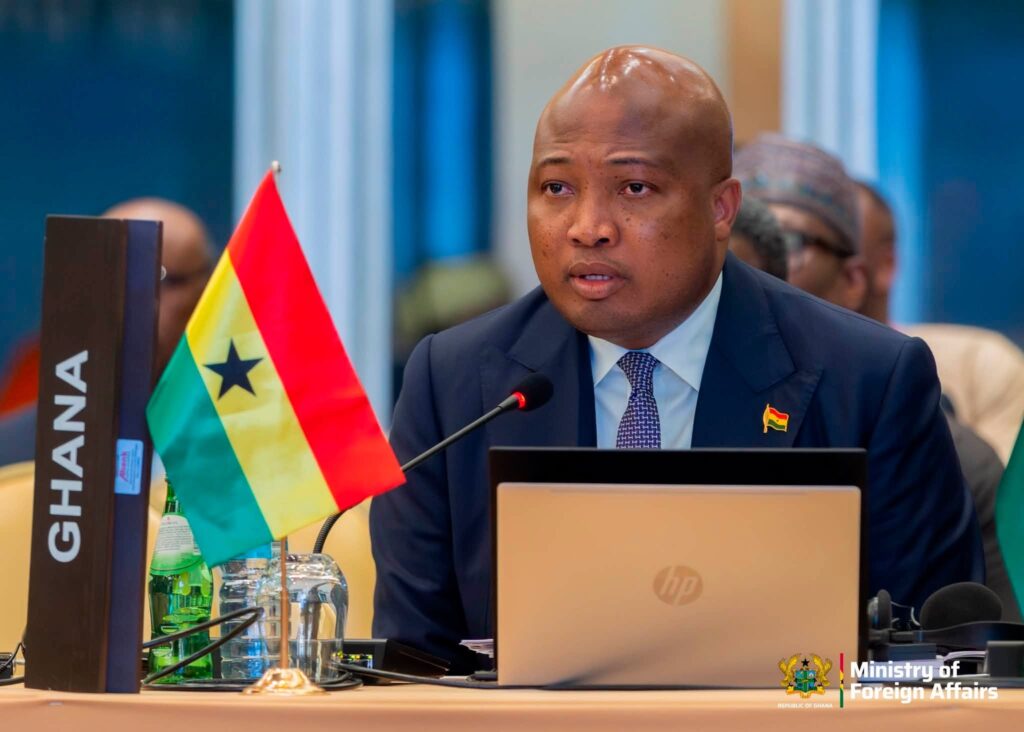
Nearly 5,000 repatriations since 2025, spanning conflict zones, fraudulent labour schemes and other emergencies, illustrate a demand for emergency consular support that Ablakwa suggested has outpaced the Ministry’s existing capacity to respond without dedicated, ring-fenced funding.
He closed his remarks by thanking the media for its support throughout the evacuation exercise and the broader reporting on Ghana’s global repatriation efforts, expressing hope for continued national resolve in protecting citizens wherever they may face danger.
READ ALSO: Absa Unlocks Long-Term Capital for PETROSOL’s Expansion