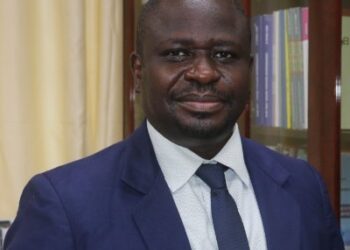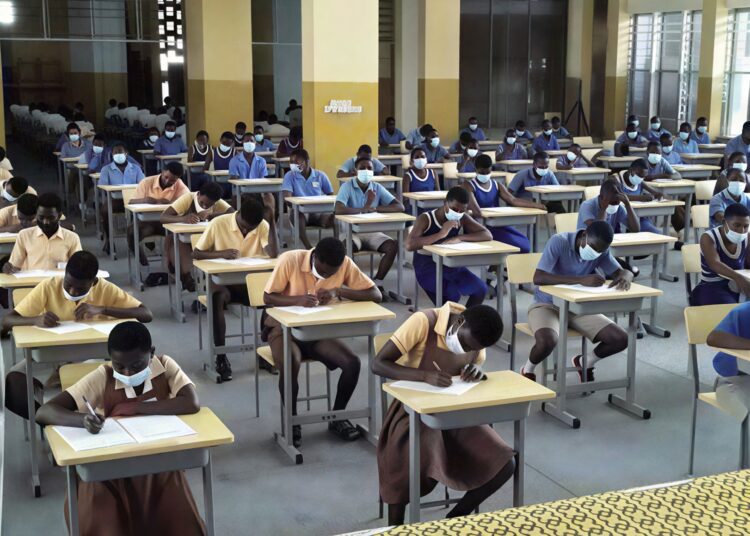
The decision to allow Basic Education Certificate Examination (BECE) candidates to choose senior high schools after receiving their results has created serious challenges in the placement exercise, according to the Abuakwa South MP, Honourable Kingsley Agyemang. He argued that the policy has exposed a mismatch between the number of students seeking places in highly competitive schools and the vacancies available.
A member of the Education Committee of Parliament, Honourable Agyemang noted that the scale of the problem could have been anticipated before the new arrangement was introduced. He pointed to the large number of candidates seeking Category A schools despite the relatively limited spaces available in those institutions.
According to the Abuakwa South MP, about 300,000 students have expressed interest in Category A schools, while the available vacancies were only around 70,000. He questioned how the authorities expected to accommodate the substantial number of qualified candidates who could not secure places in their preferred institutions.
“How are you going to place the over 200,000 people who are eligible or qualify for Category A schools when vacancies are just around 70,000?”
Honourable Kingsley Agyemang
Honourable Agyemang further argued that the timing of school selection has created an imbalance that was difficult for the placement system to absorb. He explained that allowing students to see their examination results before making their choices encouraged more candidates to target schools with limited capacity.
The Abuakwa South MP recalled raising similar issues earlier in the year when he warned that the revised procedure could produce difficulties during placement. He disclosed that his earlier warning was based on the likelihood that students would naturally gravitate towards Category A schools once they knew their examination performance.
Comparing the current situation with the previous exercise, Honourable Agyemang described last year’s placement process as chaotic but suggested that the situation has become even more difficult this year. He therefore called on the Ministry of Education to explain the reasoning behind the change and identify the problem the new policy is intending to resolve.
The MP also questioned the basis for allowing school choices to be made after results have been released. In his view, such an arrangement would only work effectively if students have equal opportunities across schools and there were no significant differences in their categorisation or available vacancies.
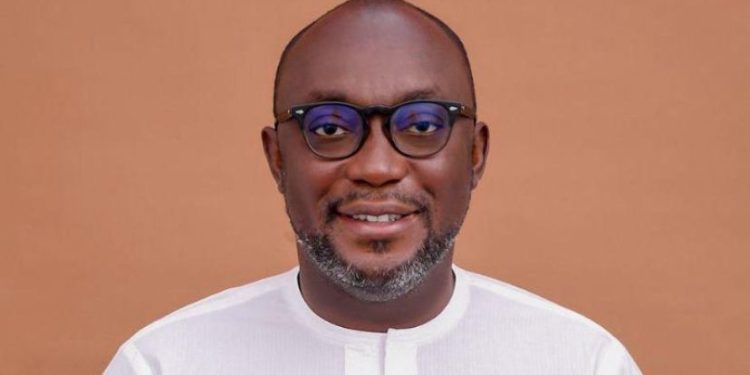
He further urged the ministry to account for the consequences of the new approach as parents struggle to secure placements for their children. Honourable Agyemang observed that the pressure has reached Parliament, with constituents repeatedly contacting their MPs over difficulties involving their children’s placement.
Beyond the immediate placement difficulties, the Abuakwa South MP called for a review of the policy framework governing the process. He stressed that authorities needed to examine the rationale behind the change and determine whether the intended objective has been achieved.
Education System Needs Continuous Improvement, Not Abrupt Changes
The Abuakwa South MP, Honourable Kingsley Agyemang also called for continuous improvement in Ghana’s education systems, arguing that existing arrangements should be strengthened when they encounter difficulties. He criticised the wholesale abandonment of established processes without adequate testing, consultation or preparation for the consequences.
Honourable Agyemang made the argument while discussing the difficulties emerging from the current school placement exercise. He explained that computerised placement has operated for several years and should therefore have been refined through experience instead of being completely replaced.
The Abuakwa South MP stressed that challenges within a system should provide opportunities for research and improvement. In his assessment, policy makers need to examine what went wrong, identify workable adjustments and introduce them in a manner that protects students and parents from unnecessary disruption.
“So you improve on systems; you don’t abandon systems and I believe this is what research is all about; it is not a reboot.”
Honourable Agyemang also criticised the absence of broad stakeholder engagement before the change was introduced. He revealed that Members of Parliament, who represent communities directly affected by education policies, were not brought into discussions before the new arrangement was announced.
Turning to the way forward, the Abuakwa South MP argued that the previous arrangement, under which students selected schools before their results were released, provided a more predictable basis for placement. He used the principle of solving an inequality from the known to the unknown to illustrate his preference for a system that gives planners a clearer starting point.
Honourable Agyemang further urged the government to take responsibility for finding solutions to the difficulties created by the revised procedure. He argued that since the policy was introduced without sufficient consultation, its custodians should now provide a clear path out of the current situation.
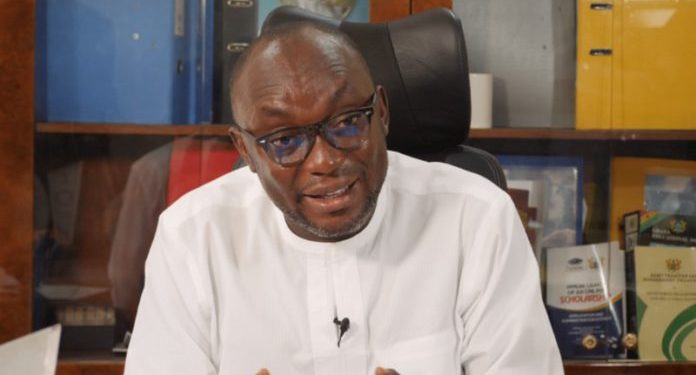
On the role of private schools, the Abuakwa South MP welcomed calls for stronger collaboration between the government and private second-cycle institutions. He noted that the issue involved Ghanaian children who deserved access to educational opportunities regardless of whether they attended public or private institutions.
He also pointed to the Ghana Education Trust Fund as a possible avenue for strengthening support for private schools. Honourable Agyemang observed that taxpayers contribute to the fund and argued that its resources should be considered when developing broader strategies to accommodate students who cannot secure places in public schools.
Additionally, he suggested that private institutions should have been considered as part of the planning process before the new placement arrangement was introduced. In his view, anticipating pressure on public schools should naturally have led policy makers to examine the capacity of private schools and establish mechanisms through which they could support the national education system.
READ ALSO: Republic Bank, UPSA Forge Alliance for Banking Excellence