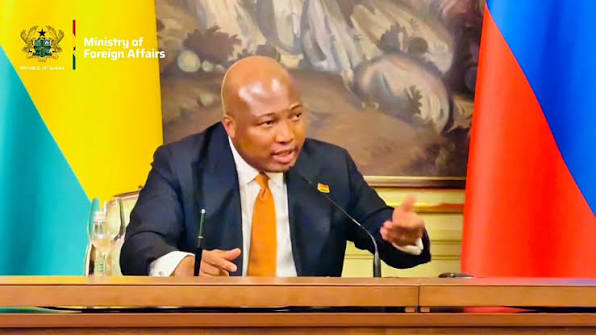
Foreign Affairs Minister Samuel Okudzeto Ablakwa has announced plans to launch a Ghanaian Diaspora Council Fund in the coming weeks, describing it as an emergency response funding mechanism designed to swiftly support Ghanaians in distress anywhere in the world.
The announcement follows directly from the financial and logistical strain of the recent South Africa evacuation, which cost the government GH¢49.7 million to evacuate nearly 2,000 citizens, and reflects a broader pattern of unplanned repatriation operations that Ablakwa said have placed recurring pressure on the Ministry’s resources.
Ablakwa framed the new fund as a direct response to a structural problem rather than a reaction to any single crisis.
“These recurring operations underscore the immense financial and logistical burden of responding to unexpected distress situations across the globe. This is precisely why it has become imperative to establish the Ghanaian Diaspora Council Fund.”
Minister for Foreign Affairs, Samuel Okudzeto Ablakwa
He explained that the fund would give government a dedicated and sustainable mechanism to mobilise resources quickly whenever Ghanaians abroad face danger, rather than having to assemble emergency funding on an ad hoc basis each time a crisis emerges, as occurred with the unbudgeted South Africa evacuation.
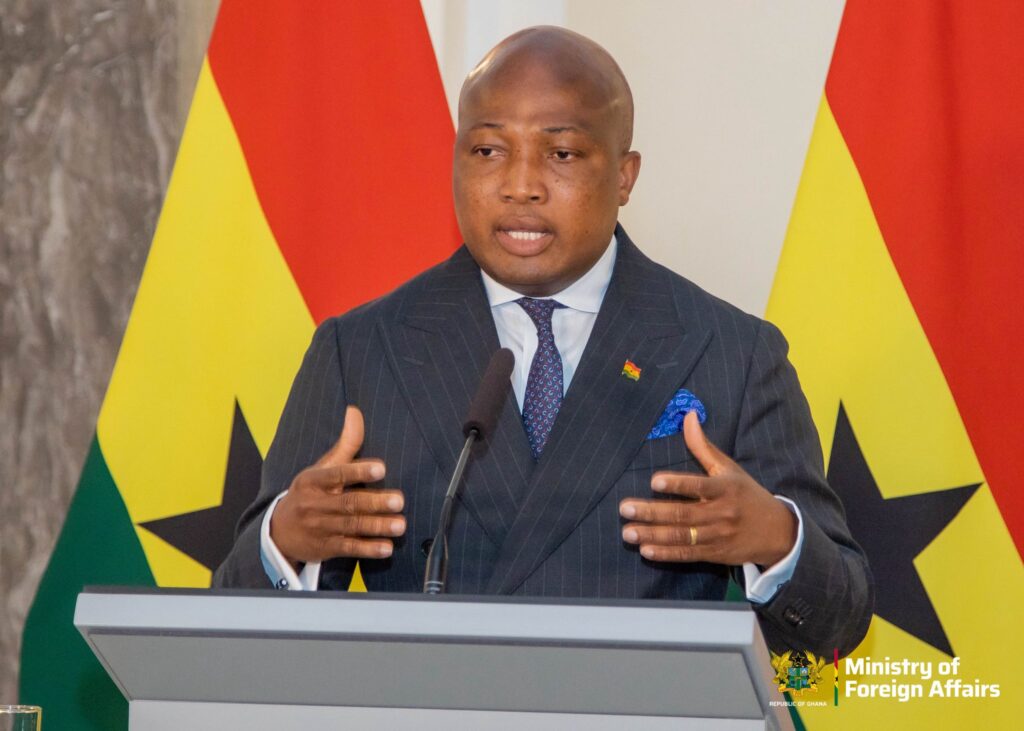
“It will afford us a dedicated and sustainable emergency-funded mechanism to ensure that Ghana can promptly mobilise resources to safeguard the rights, dignity, and welfare of our citizens”.
Minister for Foreign Affairs, Samuel Okudzeto Ablakwa
A Pattern of Crises Across Continents
The case for the fund is reinforced by the scale of repatriation activity the Ministry has managed well beyond South Africa. Ablakwa disclosed that since 2025, a total of 4,972 Ghanaians, excluding those evacuated from South Africa, have been successfully repatriated from crisis situations in multiple countries, spanning several continents simultaneously.
He addressed public concern directly on one specific case. “I have observed some concerns, particularly on social media, that perhaps we are not paying attention to the situation in Libya. That is not accurate,” he said.
He confirmed that Ghana maintains an active mission in Tripoli and that 3,807 Ghanaians have been successfully brought home from Libya, thanking Ireland for what he called incredible support in that effort.
Scam Victims Across Multiple Countries
Hon Ablakwa’s breakdown of repatriation figures revealed a recurring pattern tied to fraudulent recruitment schemes. Ghana repatriated 440 citizens from Côte d’Ivoire, largely victims of QNet and a mass demolition exercise, and 246 from Nigeria, also largely QNet victims.
Additional repatriations included 244 from Cambodia, 201 from Algeria, 18 from Kuwait, eight from Sierra Leone, five from Mauritius, two from Morocco and one from Iraq. Hon Ablakwa used the repatriation figures to renew a caution aimed specifically at young Ghanaians.
“The Ministry of Foreign Affairs reiterates its caution to Ghanaians, particularly the youth, to be conscious of dubious recruitment scams that lure the unsuspecting, and they end up in very pathetic conditions, in predicaments that are indeed heartbreaking,” he said.
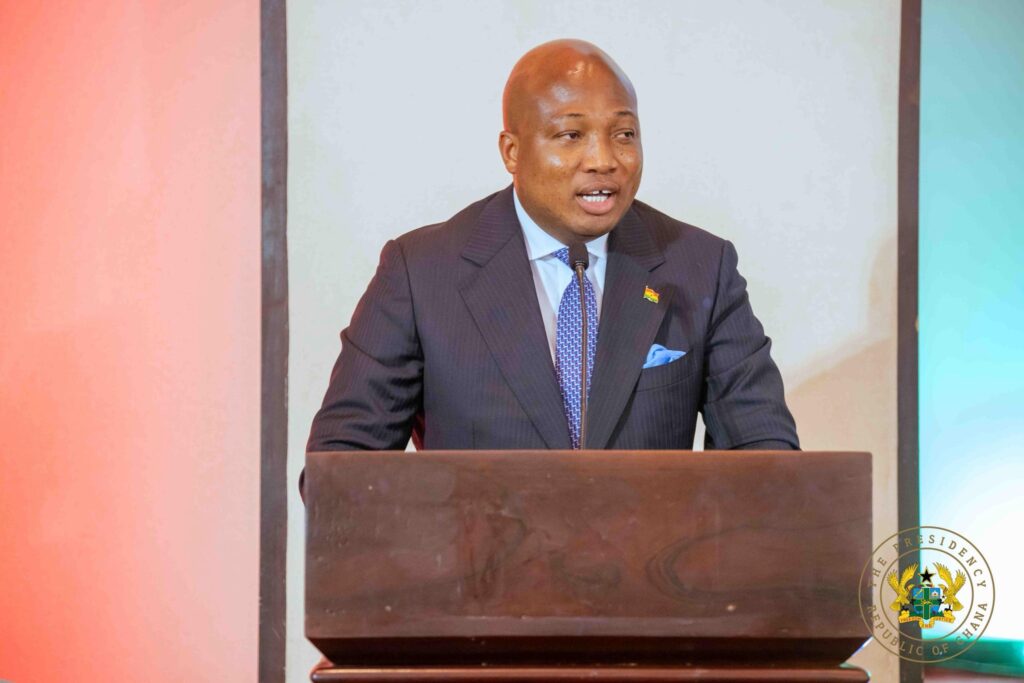
He linked that warning to a graver set of consequences tied to the war in Ukraine, disclosing that 62 Ghanaians have lost their lives in the Russia-Ukraine conflict, with another 15 reported missing, a figure he first disclosed during an official visit to Mosul.
He confirmed that two Ghanaian nationals remain held by Ukrainian authorities as prisoners of war, saying the government is actively negotiating their release and expressing confidence they would soon be freed, while commending Ukrainian authorities for what he called impressive cooperation so far.
A Crackdown on Criminal Networks
Hon Ablakwa said the government has intensified efforts to dismantle the criminal networks behind fraudulent recruitment schemes that have repeatedly placed Ghanaians in danger abroad. He warned that those who cooperate or conspire with such networks would face consequences.
“Those who cooperate, who conspire with them, will not be spared as we intensify efforts to clamp down on their nefarious and dubious activities as we seek to protect the youth of our country”.
Minister for Foreign Affairs, Samuel Okudzeto Ablakwa
The proposed Ghanaian Diaspora Council Fund represents an attempt to institutionalise emergency response capacity that has so far depended on reactive budgeting and, in the case of South Africa, substantial private donation.
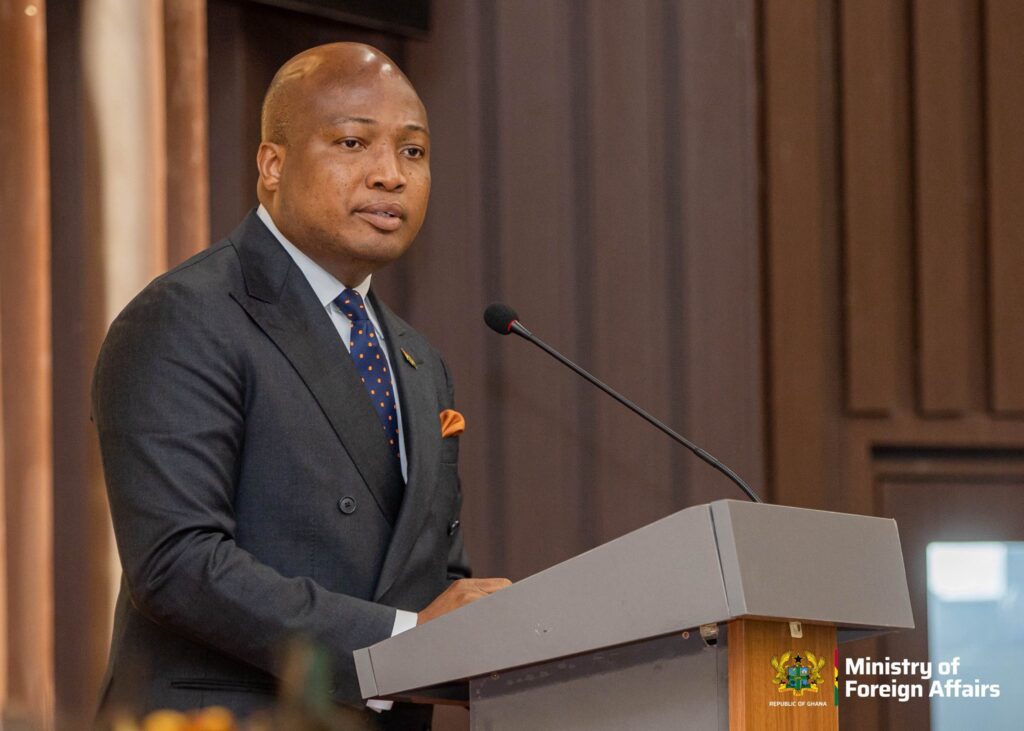
Hon Ablakwa did not disclose the fund’s proposed size, its sources of capitalisation, or the governance structure that would oversee its disbursement, details expected to emerge as the Ministry moves toward the fund’s launch in the coming weeks.
READ ALSO: Pooled Procurement Could Scale Ghana’s Pharmaceutical Industry