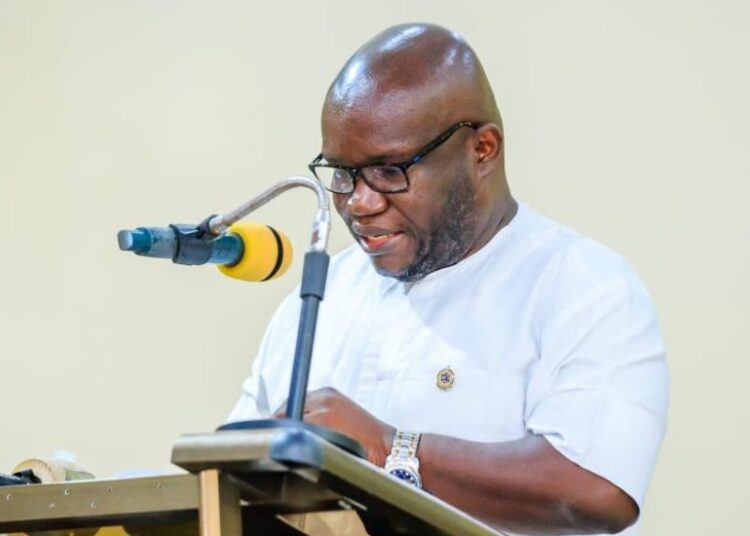
The Convener of the Media Coalition Against Illegal Mining, Dr Ing Ken Ashigbey, has backed concerns raised by the Minister for Communication, Digital Technology and Innovations, Honourable Samuel Nartey George over fibre cuts linked to illegal mining activities. He explained that the destruction of telecommunications infrastructure by illegal miners is adding another serious dimension to the country’s galamsey crisis.
Dr Ashigbey noted that fibre networks form the backbone of Ghana’s telecommunications system and support the government’s ambition to digitise the economy. He pointed out that telecommunications companies and internet service providers have invested heavily in extending fibre infrastructure across the country, making damage to the network a significant national setback.
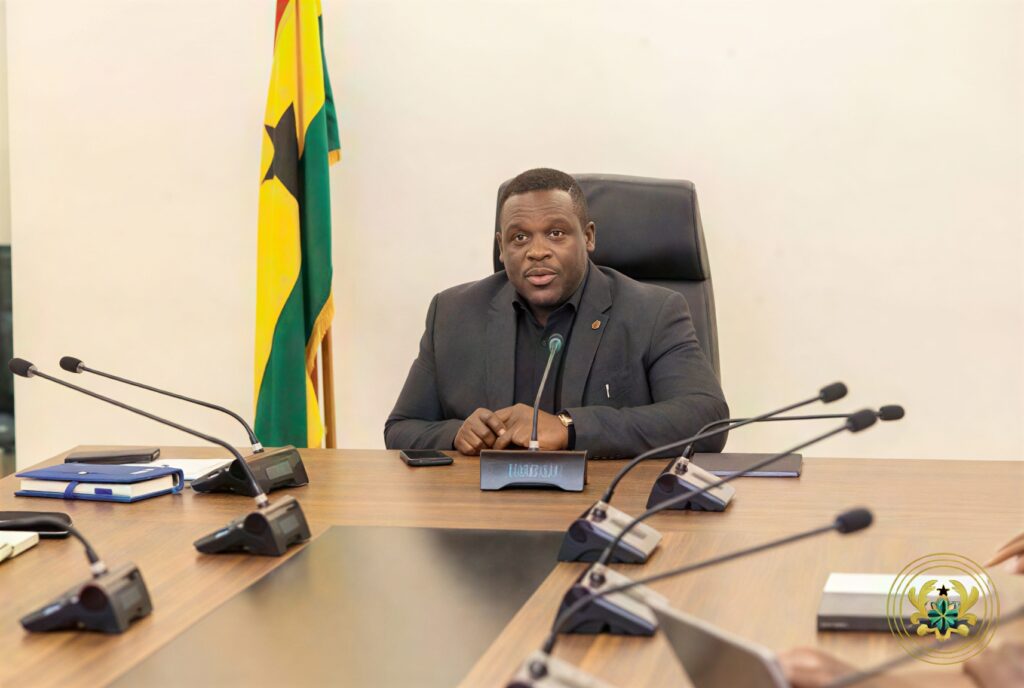
The Convener stressed that the effects extended beyond poor telecommunications services because several essential sectors now depend heavily on reliable connectivity. Banks, financial institutions, businesses and other organisations require stable networks to operate effectively, while ordinary citizens also depend on connectivity for communication and financial transactions.
He further warned that communities affected by illegal mining could suffer serious consequences when emergency communication systems are disrupted. Dr Ashigbey cited the deaths of seven illegal miners in the Atewa area and questioned what could happen if people in such an emergency needed assistance but the fibre infrastructure required to make calls has been destroyed.
According to the Convener, the problem also exposes the hidden cost of gold obtained through irresponsible mining practices. He argued that although Ghana benefits economically from legitimate mining, the activities of criminal operators impose additional costs on the country through the destruction of public infrastructure.
Dr Ashigbey explained that fibre cables have an additional vulnerability because they operate at extra low voltage. He indicated that illegal miners can cut such cables without immediately suffering physical harm, even though the disruption can affect thousands of people and businesses dependent on the network.
Beyond telecommunications, the Convener warned that illegal mining is also threatening the country’s electricity infrastructure. He disclosed that miners were digging around major GRIDCo transmission pylons carrying 330 kilovolts and 161 kilovolts, creating the possibility of a major accident if the foundations of the structures were weakened.
The potential consequences, he cautioned, could extend far beyond the miners operating around the pylons. A collapsed transmission structure could bring down other pylons, cause fatalities and disrupt electricity supply, thereby imposing substantial costs on communities and the wider economy.
Dr Ashigbey also pointed to the damage being reported along parts of the railway network. He referenced information from the Ghana Railway Development Authority indicating that mining activities around the Manso section towards Ghana Manganese could place critical parts of the Western Railway Corridor at risk.
Illegal Mining Financiers Must Face Prosecution, Convener Demands
The Convener of the Media Coalition Against Illegal Mining, Dr Ing Ken Ashigbey also called for stronger prosecution of persons arrested for illegal mining to ensure that enforcement operations produce lasting results. He argued that repeatedly arresting workers at mining sites would achieve little if those taken into custody are not prosecuted and punished according to law.

Dr Ashigbey questioned what happens to the large number of illegal miners reportedly arrested by state agencies and other task forces. He urged the Attorney General’s Office and the Ghana Police Service to provide regular updates on cases involving arrested suspects so the public can establish whether those cases are progressing through the justice system.
The Convener explained that arrests must lead to prosecution if they are to serve as a meaningful deterrent. He cautioned that suspects who are arrested without facing the appropriate legal process could return to illegal mining activities and continue causing damage.
Dr Ashigbey also distinguished between workers found at mining sites and the people who make the illegal operations possible. He indicated that enforcement efforts should move beyond the first layer of offenders and investigate those who finance operations, provide equipment and purchase illegally mined gold.
“If you arrest them and you don’t prosecute them to serve as a deterrent, they just go and they come back.”
Dr Ing Ken Ashigbey
The Convener identified financiers, equipment providers and gold buyers as a critical part of the illegal mining chain. He noted that some of the individuals operating behind the scenes were wealthy and influential, making it necessary for investigators to pursue the people who organise and sustain the illegal trade.
Dr Ashigbey further argued that Ghana should apply the polluter pays principle when dealing with the cost of restoring areas destroyed by illegal mining. He rejected suggestions that public resources generated through mining royalties should be used to finance the reclamation of land damaged by operators who engage in illegal activities.
According to the Convener, legitimate large scale mining companies already have obligations linked to environmental restoration. He explained that such companies pay royalties and are also required to provide reclamation bonds, creating a framework through which the cost of restoring mined areas can be addressed.
He therefore questioned why revenue paid by responsible operators should be redirected towards repairing damage caused by criminal mining activities. Dr Ashigbey argued that those responsible for the destruction should bear the financial burden associated with restoring affected areas.
Turning to foreign nationals arrested during enforcement operations, the Convener called for clarity on the government’s handling of such cases. He noted that there has been previous discussions over the deportation of foreign illegal miners and urged the relevant authorities to provide information on what happens to those arrested.
Additionally, Dr Ashigbey stressed that responsible small-scale mining should continue to receive support where operators comply with the law. He argued that regulators should distinguish legitimate operators from criminal networks while ensuring that enforcement reaches the powerful interests that finance and benefit from illegal mining.
READ ALSO: Coalition Of Unpaid Teachers Demands 14 Months’ Salary Arrears