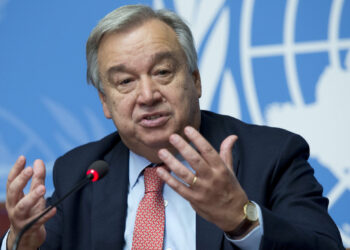
UN Climate Change Executive Secretary Simon Stiell has warned that Europe’s intensifying climate impacts are no longer simply an environmental concern but have become a continent-wide economic and security emergency, urging the European Union to strengthen its climate leadership and accelerate the transition away from fossil fuels.
Addressing the European Parliament Committee on the Environment, Climate and Food Safety in Brussels, Stiell stated that extreme heat, floods, droughts and other climate-driven disasters are increasingly damaging infrastructure, disrupting businesses, threatening food supplies and placing additional pressure on households and governments.
“Climate is sometimes viewed as a party issue, like territory in cultural conflicts. That is palpably wrong,” Stiell added, citing Europe’s recent harsh summer weather as evidence of how climate dangers are immediately influencing everyday economic and social problems.
He stated that the repercussions have included mass evacuations, power station closures, blocked trade routes, crop losses, decreased yields, and rising food costs, as well as climate impacts in other regions that were leading to displacement and humanitarian needs.
According to Stiell, the economic implications of catastrophic weather are becoming more difficult for Europe to bear.
He mentioned one study, which estimated that this summer’s climatic extremes could cost Europe €180 billion in missed labour productivity and disruptions to food, energy, and transportation. The figure, he observed, is similar to nearly one percentage point of European GDP, which corresponds to the amount the EU economy is expected to increase.
The effects are also extending to insurance markets, with climate-related disasters pushing up premiums and leaving some areas increasingly difficult to insure.
Stiell indicated that these pressures were occurring alongside Europe’s continuing exposure to volatile fossil fuel prices, creating what he described as a “deathly double-blow” for households, businesses and governments.
Europe’s dependence on fossil fuel imports, he argued, has long represented an economic vulnerability because governments and consumers have limited control over international energy prices.
“Understandably, Europe wants to insulate itself from volatile fossil fuel costs you cannot control. Understandably, Europe wants affordability, economic stability, energy security, and policy-making autonomy. Clean energy is the surest path to deliver, cheaply and safely.”
Simon Stiell
Stiell maintained that stronger climate action should therefore be viewed not as an additional economic burden but as part of Europe’s strategy to protect living standards, strengthen energy security and support long-term growth.
Clean Energy Offers Economic Opportunity
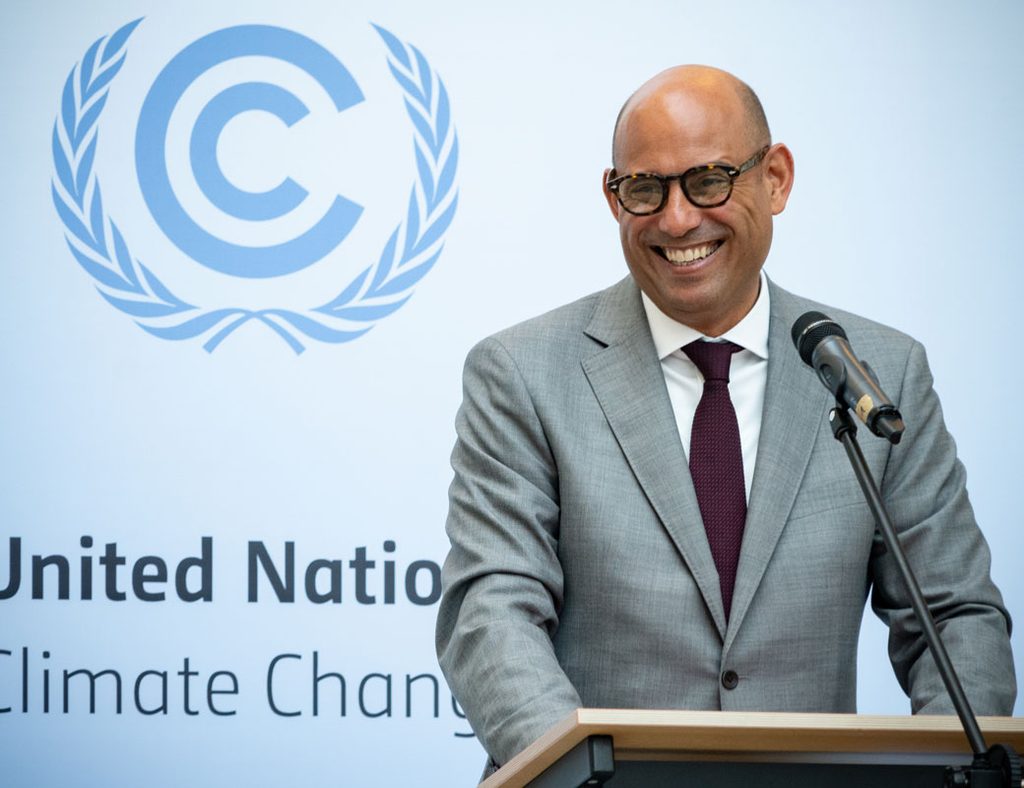
Stiell pointed to Europe’s growing renewable energy sector as evidence of the economic opportunities associated with the transition to cleaner energy.
Renewables now provide around half of Europe’s power, while solar energy alone, he stated, saved Europe more than €30 billion in avoided gas imports during the first six months of the Middle East conflict.
Globally, more than $2 trillion was invested in clean energy last year, twice the level of investment in fossil fuels.
Stiell argued that Europe’s established position in clean technology allows the continent to benefit further from the expanding global transition.
He added that, “the clean tech boom is already driving European growth, jobs, and living standards.“
He also urged European governments to maintain their climate policies and accelerate investment in clean and resilient growth, saying this would help position the region to secure jobs, strengthen energy independence and protect living standards.
The transition, however, will also require stronger international cooperation, particularly to ensure that countries are not left behind as economies shift away from fossil fuels.
Europe Urged to Strengthen Global Climate Leadership
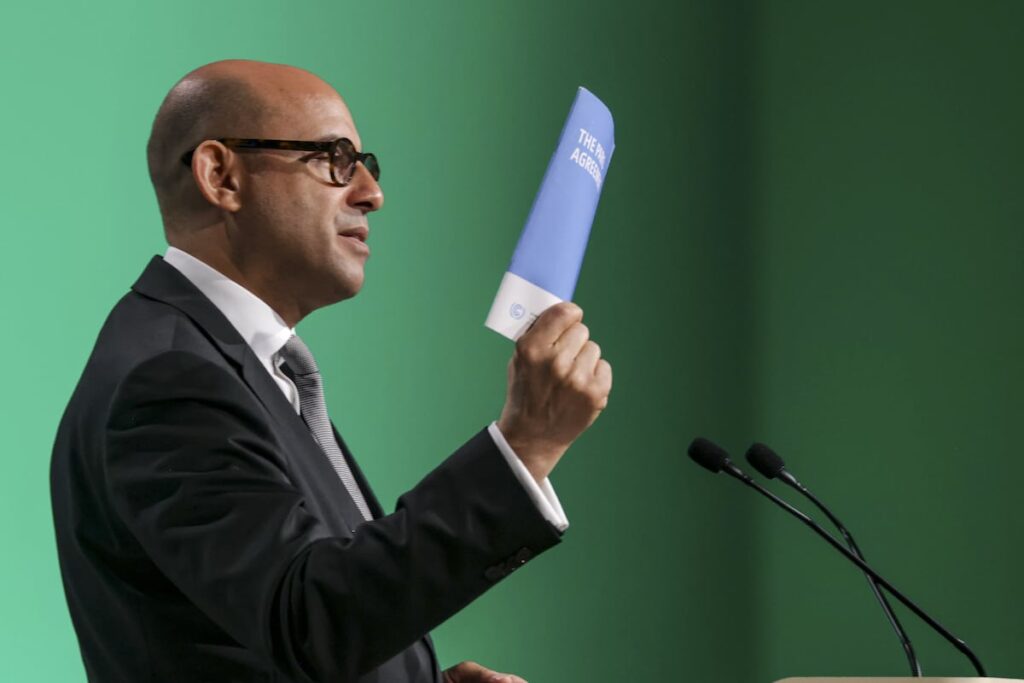
Moreover, Stiell noted that Europe’s climate leadership remained important beyond its own borders, particularly for vulnerable countries facing severe climate impacts.
He urged the EU to maintain its climate finance commitments and work with other countries to strengthen global cooperation ahead of COP31 in Türkiye.
He added, “no single COP can solve the climate crisis overnight, but each moves global efforts forward.”
Stiell called on the EU to arrive at COP31 prepared to negotiate practical solutions and focus on implementing commitments that countries have already made rather than reopening decisions that have been agreed.
He believes the current goal should be ensuring that countries implement their climate plans and targets, while encouraging more ambition when national circumstances allow.
He noted that the endeavour should include emissions reduction, adaptation, and climate finance, as well as the development of tools to enable equitable economic transitions.
“Climate cuts across the core concerns of voters, whatever their politics: Family health, community safety and economic stability. Affordable food and available water. Jobs, business costs, and household bills.”
Simon Stiell
He argued that climate action should therefore not be treated as a narrow political or environmental agenda.
Stiell urged Europe to strengthen resilience against climate impacts, protect global supply chains and reduce emissions, while identifying methane reduction, food security and urban resilience as areas where faster action could deliver significant benefits.
READ ALSO: Profit Without Dividend Is Not Public Value, SIGA Boss Tells State Boards