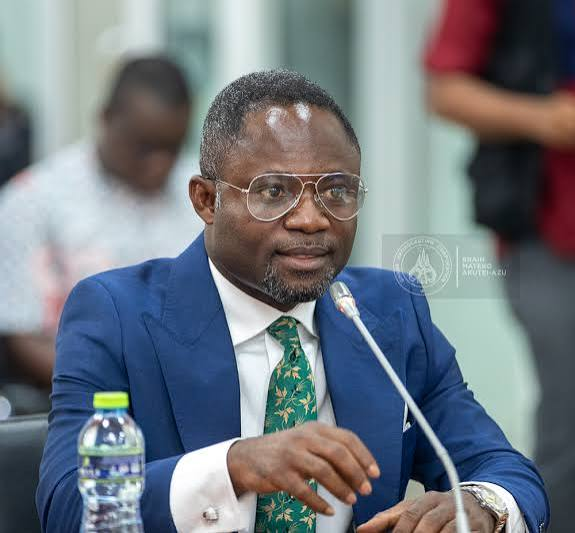
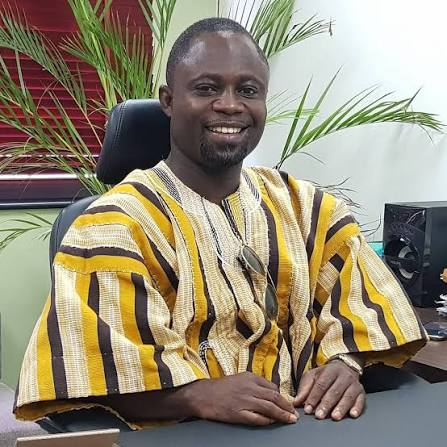
Health Minister, Hon. Kwabena Mintah Akandoh, has drawn a clear distinction between Ghana’s Free Primary Healthcare (FPHC) initiative and the National Health Insurance Scheme (NHIS), stressing that the newly rolled-out FPHC programme has not come to replace or compete with the NHIS.
Addressing public confusion around how the two systems relate to each other, the Minister explained that FPHC is best understood as complementary to the NHIS rather than a substitute for it, describing it as the insurance scheme’s “cheapest friend” within Ghana’s broader health protection architecture.
According to Akandoh, the Free Primary Healthcare initiative has not come to scrap the National Health Insurance Scheme, but is instead designed to work alongside it, ultimately reducing pressure on the NHIS by catching and treating conditions early, before they escalate into more serious cases requiring costly interventions such as surgery.
“The free primary healthcare has not come to replace the National Health Insurance, if anything at all, it is the National Health Insurance’s cheapest friend, it is complementary to it,”
Hon. Akandoh
Key Differences Between the Two Systems
The Minister outlined several practical differences between the two programmes. Unlike the NHIS, which requires individuals to register as subscribers and pay a premium to access care.
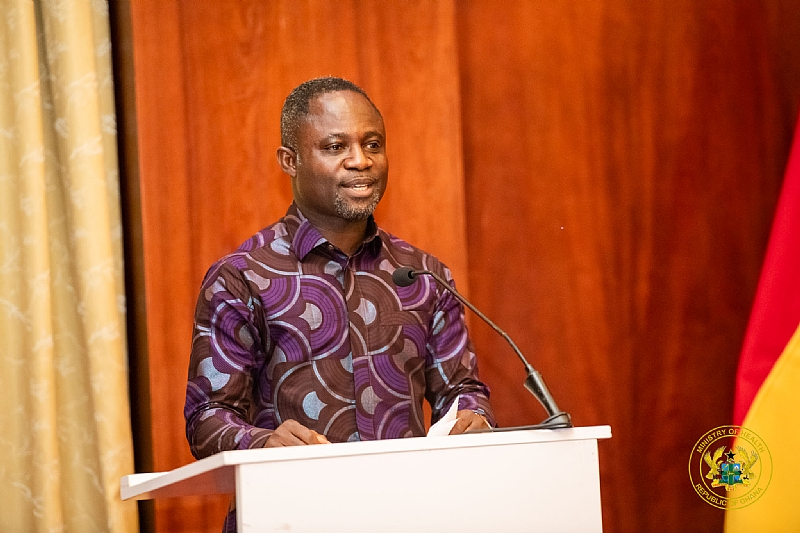
He explained that Free Primary Healthcare requires no subscription or payment of any kind, allowing individuals to walk directly into a CHPS compound or health centre and receive treatment without presenting an insurance card.
He further noted that while NHIS subscribers must periodically renew their membership cards to maintain active coverage, no such renewal process exists under the Free Primary Healthcare model.
Additionally, Akandoh highlighted that unlike the NHIS, which has never involved health professionals visiting people’s homes for screening, the FPHC model actively incorporates home visits, with health workers going into communities to screen residents, take vital signs and provide direct care.
Despite outlining these distinctions, the Minister was careful to stress that citizens should continue holding on to their NHIS subscriptions, explaining that Free Primary Healthcare services end at the polyclinic level.
He said that any care required at district hospitals, regional hospitals or teaching hospitals would still fall under the NHIS, making continued insurance subscription essential for accessing higher levels of care.
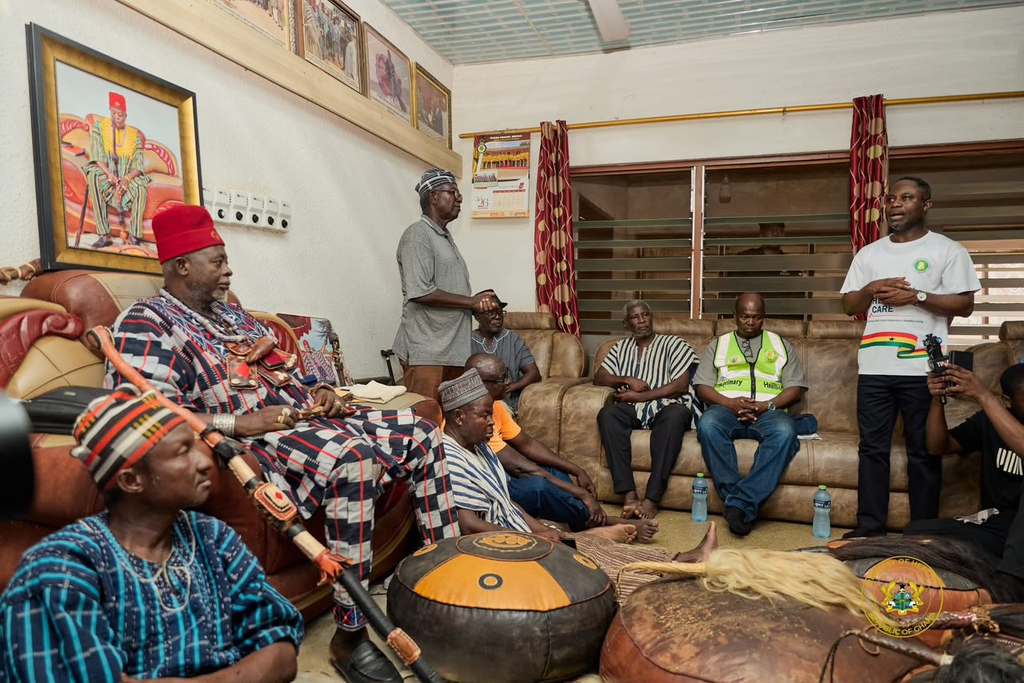
He described the health system as now comprising three distinct tiers, with CHPS compounds, polyclinics and health centres operating under Free Primary Healthcare, while district, regional and teaching hospitals continue to rely on the National Health Insurance Scheme for coverage.
“You need to get the difference, because when you go to the district hospital, regional hospital or teaching hospitals, that intervention is the National Health Insurance,”
Hon. Akandoh
NHIS Coverage Rises From 57% To 76%
Turning to progress made under the NHIS specifically, Akandoh disclosed that when the current administration took office, the scheme’s coverage stood at 57 percent, meaning roughly 43 percent of Ghanaians had no form of health insurance intervention at the time. According to him, this figure has since risen sharply to 76 percent within less than two years.
“In a matter of less than two years, National Health Insurance coverage has moved from 57 percent to 76 percent,”
Hon. Akandoh
The Minister further disclosed that claims submitted by health service providers are now being processed and paid promptly, a marked improvement from previous years when providers reportedly threatened to withdraw services over delayed payments.
He also revealed that government tariffs paid to service providers have increased by approximately 50 percent, citing an example where the price paid for a bottle of syrup rose from GH¢5 to GH¢7.50 under the current administration.
Uncapping Of the NHIS And Introduction of Mahama Cares
Akandoh further addressed what he described as a previous policy of “capping” the NHIS, under which a portion of health insurance levies collected were historically redirected to the Consolidated Fund rather than being fully channelled into the NHIS.
He said President John Dramani Mahama had since uncapped the scheme entirely, ensuring that all collected levies now flow directly into the fund.
Beyond the NHIS, the Minister pointed to the establishment of the Ghana Medical Trust Fund, popularly known as Mahama Cares, designed to support patients suffering from non-communicable diseases not covered under existing NHIS provisions, describing it as a third pillar within Ghana’s health protection framework alongside FPHC and the NHIS.
READ MORE: Deputy Health Minister Calls For Domestic Financing, Public-Private Partnerships in NTDs