Ghana is intensifying efforts to eliminate neglected tropical diseases (NTDs) by 2030, with stakeholders at a recent engagement calling for stronger domestic financing, deeper public-private partnerships, and more coordinated action aligned with the World Health Organization’s 2030 NTD Roadmap.
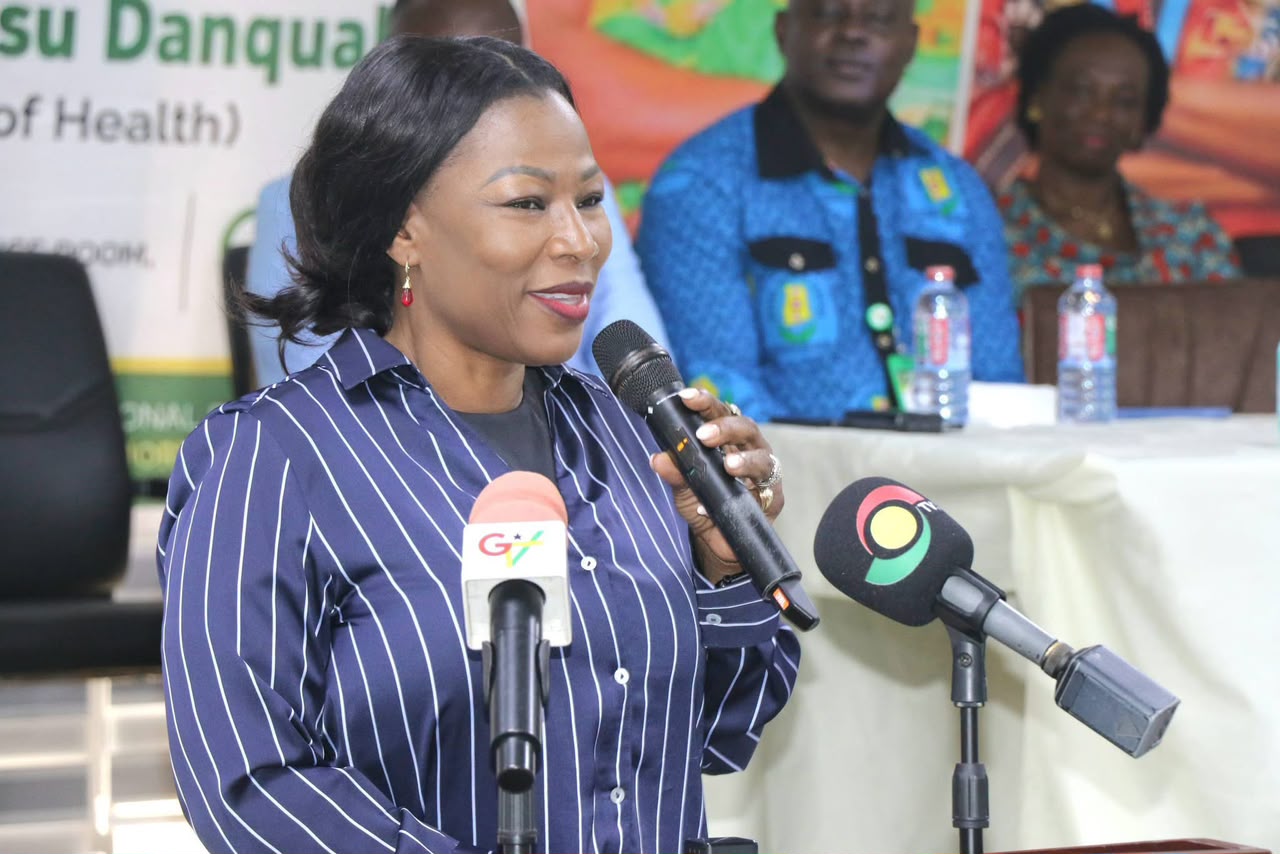
Speaking at the meeting, Deputy Minister for Health, Hon. Dr. Grace Ayensu-Danquah, said neglected tropical diseases continue to impose a significant health and socioeconomic burden on the country, with vulnerable communities bearing the brunt of the impact.
While acknowledging that Ghana has made notable progress in eliminating some neglected tropical diseases over the years, the Deputy Minister stressed that these gains could only be sustained through increased domestic investment and closer collaboration among government institutions, development partners and the private sector.
“Although we have made progress in eliminating some NTDs, these gains can only be sustained through increased domestic investment and stronger collaboration across all sectors,”
Grace Ayensu-Danquah

Call For Time-Bound, Practical Commitments
Addressing stakeholders directly, the Deputy Minister urged them to move beyond general expressions of support and instead make clear, practical and time-bound commitments toward the elimination agenda.
She specifically called on private-sector actors to support NTD programmes through funding, technology, logistics, research and broader health-system strengthening initiatives.
According to Ayensu-Danquah, such investment would extend beyond disease elimination alone, helping to protect the country’s human capital, improve overall productivity, and advance national development more broadly.
“We are calling on the private sector to support NTD programmes through funding, technology, logistics and research, because this investment protects our human capital and advances national development,”
Grace Ayensu-Danquah
Cross-Sector Integration Emphasised
Beyond the Deputy Minister’s remarks, other stakeholders at the engagement stressed the importance of integrating NTD interventions into existing government programmes across multiple sectors.
Officials called for stronger collaboration among various Ministries, Departments and Agencies to weave NTD-focused interventions into ongoing efforts in nutrition, social protection, education, water and sanitation, arguing that neglected tropical diseases cannot be effectively addressed by the health sector operating in isolation.
This cross-sectoral approach was described as essential for protecting vulnerable communities and maintaining the progress Ghana has already achieved in reducing the prevalence of several neglected tropical diseases nationwide.
NTDs Framed as a Development Challenge
Further contributions at the engagement emphasised the need for Ghana to take greater ownership of its own elimination agenda, calling for improved domestic financing, stronger coordination mechanisms, and more effective data-sharing systems across relevant institutions.
Stakeholders argued that neglected tropical diseases should be reframed not simply as a category of overlooked illnesses, but as a broader development challenge with direct implications for the country’s economic and social progress.
This framing was used to reinforce calls for both government and the private sector to make sustained, rather than sporadic, contributions to the elimination effort going forward.
Continuing National Priority
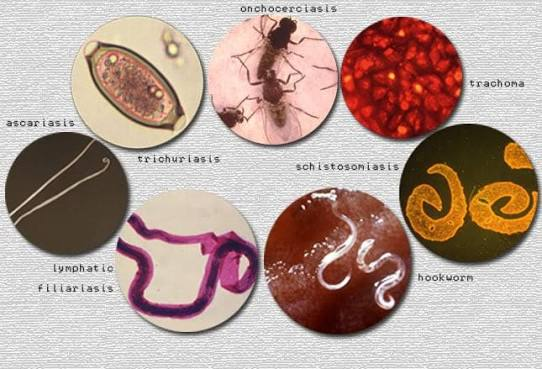
The renewed push to eliminate neglected tropical diseases by 2030 reflects Ghana’s alignment with global targets set out under the World Health Organization’s NTD Roadmap, which calls on countries to accelerate progress against a range of diseases that disproportionately affect poor and underserved populations, including conditions such as trachoma, lymphatic filariasis, schistosomiasis and soil-transmitted helminths.
With the 2030 deadline drawing closer, the emphasis placed on domestic financing and cross-sector collaboration signals a recognition among stakeholders that donor-dependent approaches alone are unlikely to be sufficient to sustain the country’s elimination efforts in the years ahead.
Following the engagement, attention is expected to turn toward how quickly government, development partners and private-sector actors translate the calls for time-bound commitments into concrete funding pledges and coordinated action plans.
The Deputy Minister’s appeal for practical, measurable commitments suggests that stakeholders may be pressed to move beyond broad statements of support toward specific, trackable contributions in the coming months, as Ghana works to consolidate its gains and close remaining gaps in its fight against neglected tropical diseases ahead of the 2030 target.
READ MORE: Transcript System Could Help Cut Mass Exam Failures — Former Education Minister