The completion of a 4-kilometre, 161kV transmission line connecting the Yendi Solar project to Ghana’s Tamale–Yendi transmission network marks an important step in the country’s effort to expand renewable generation without allowing grid infrastructure to become a constraint on that growth.
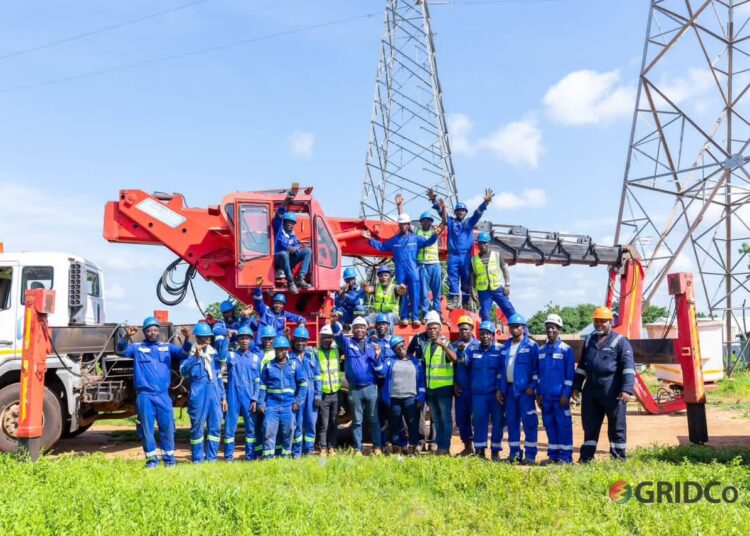
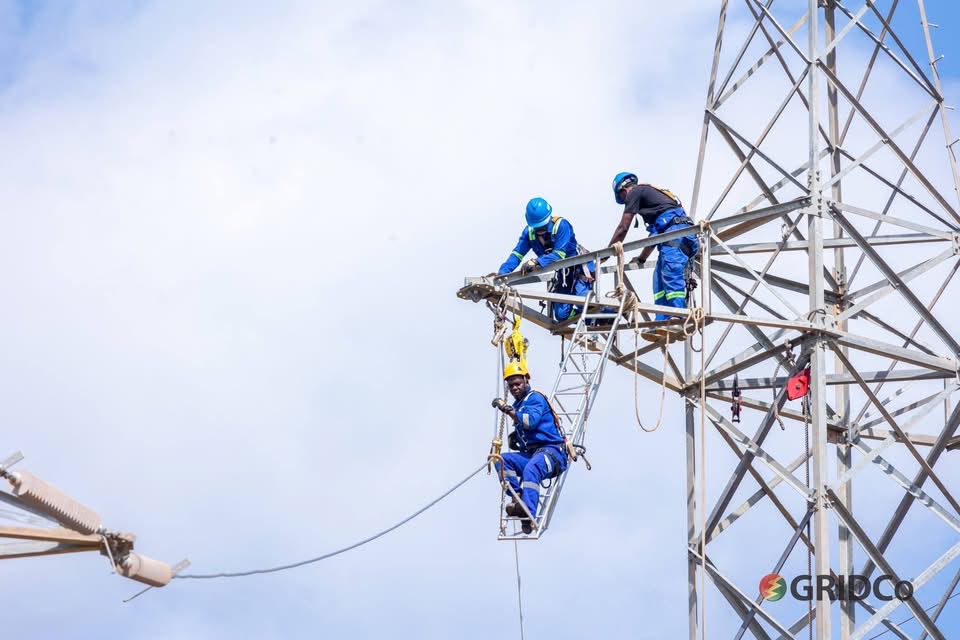
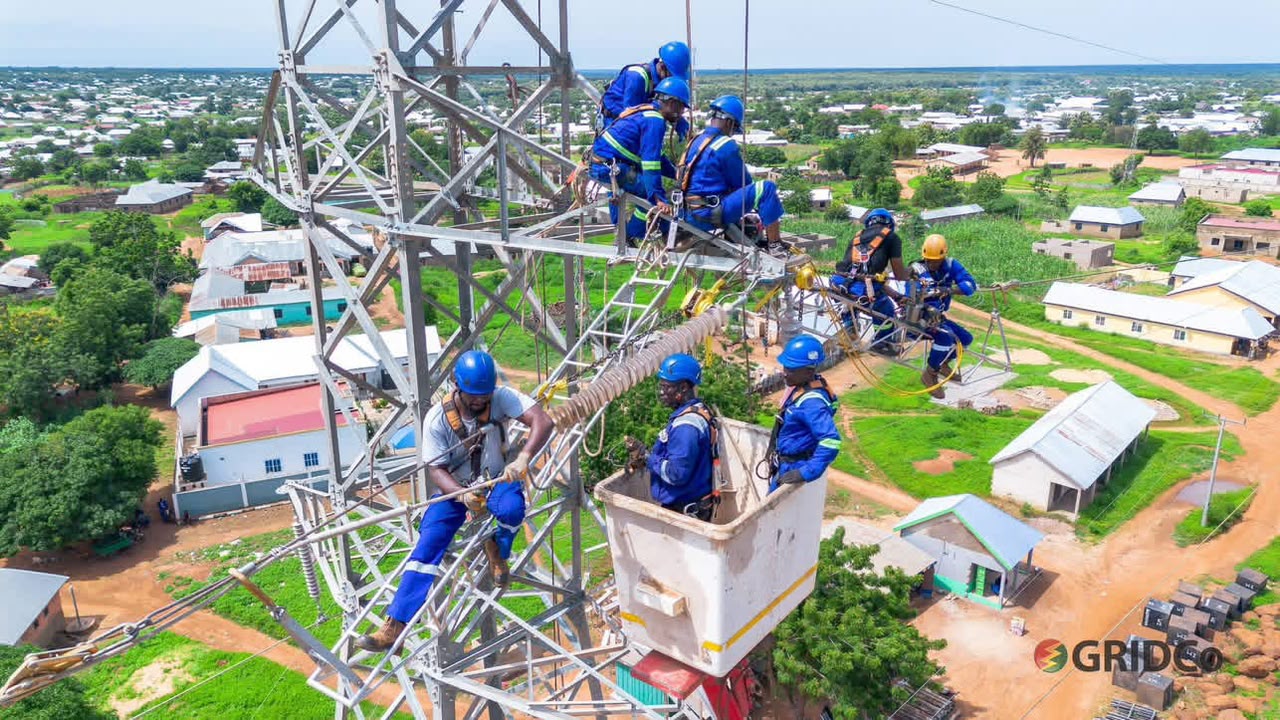
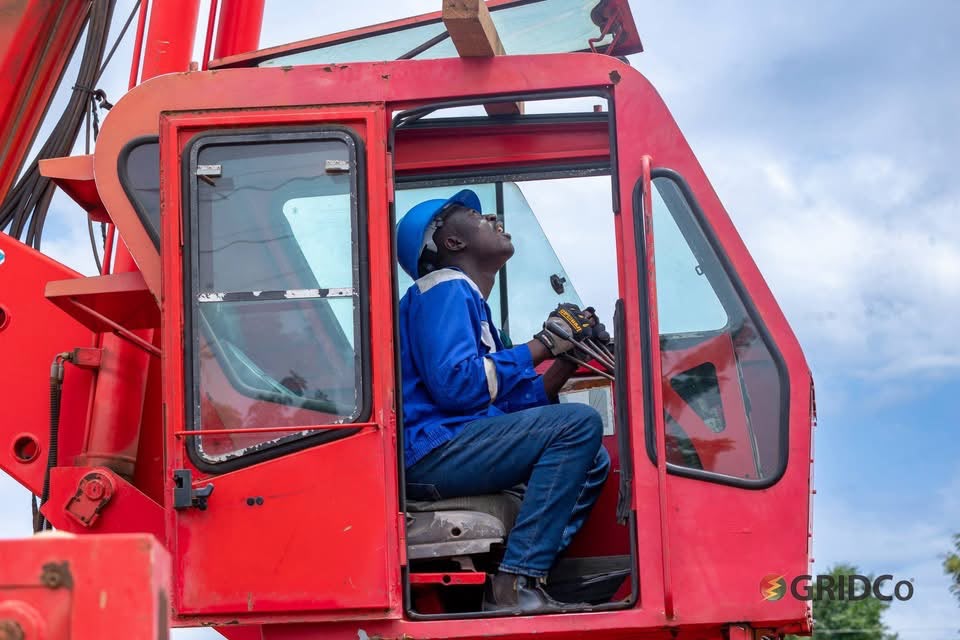
“Delivered entirely by the Ghana Grid Company Limited’s (GRIDCo) technical teams, the project involved tower erection, line stringing, testing, commissioning and energisation, as well as the integration of a 66MVA transformer. GRIDCo says the project is the longest transmission-line development completed internally by the company to date.“
Its significance extends beyond the physical length of the line. As Ghana gradually diversifies its electricity generation mix, the ability to connect new renewable projects to the national grid will become just as important as the capacity to build those projects.
Solar capacity has little economic value to the electricity system if the power generated cannot be evacuated reliably.
The Yendi connection therefore addresses a critical part of Ghana’s renewable-energy infrastructure chain by providing the pathway through which electricity from the solar project can enter the interconnected transmission system.
Connecting Northern Generation To National Demand
Northern Ghana presents a particular opportunity for renewable-energy development because of its solar resource and the availability of land for utility-scale projects.
Yet the region is geographically distant from some of Ghana’s largest electricity-demand centres.
That creates an infrastructure challenge. Electricity generation and electricity demand do not always occur in the same locations, meaning the transmission system has to move power between regions while maintaining voltage stability, managing network flows and limiting technical losses.
The Tamale-Yendi network consequently becomes strategically relevant as Ghana develops additional generation in the north.
The completed line links the Yendi Solar project into that network rather than leaving the new generation capacity isolated from the wider electricity system.
In practical terms, it allows renewable electricity produced in the area to participate in the national power market and contribute to meeting demand beyond the immediate locality.
This geographical dimension is increasingly important as Ghana considers a power system with a more diverse generation base.
For decades, the country’s electricity supply has relied heavily on hydropower and thermal generation.
Natural gas has become particularly important to thermal generation, while liquid fuels have been used when gas availability is constrained.
Renewable energy introduces a different operating profile. Solar output is dependent on daylight and weather conditions, making grid flexibility and transmission coordination more important as its share increases.
The objective, therefore, is not simply to add megawatts but to build the infrastructure capable of absorbing and moving those megawatts.
The Transformer Behind The Connection
The integration of the 66MVA transformer is an equally important component of the project.
Transmission systems operate at high voltages because moving electricity at higher voltage levels allows large quantities of power to travel over distance with lower losses than would otherwise occur.
Transformers enable electricity to move between different voltage levels at various points across the network.
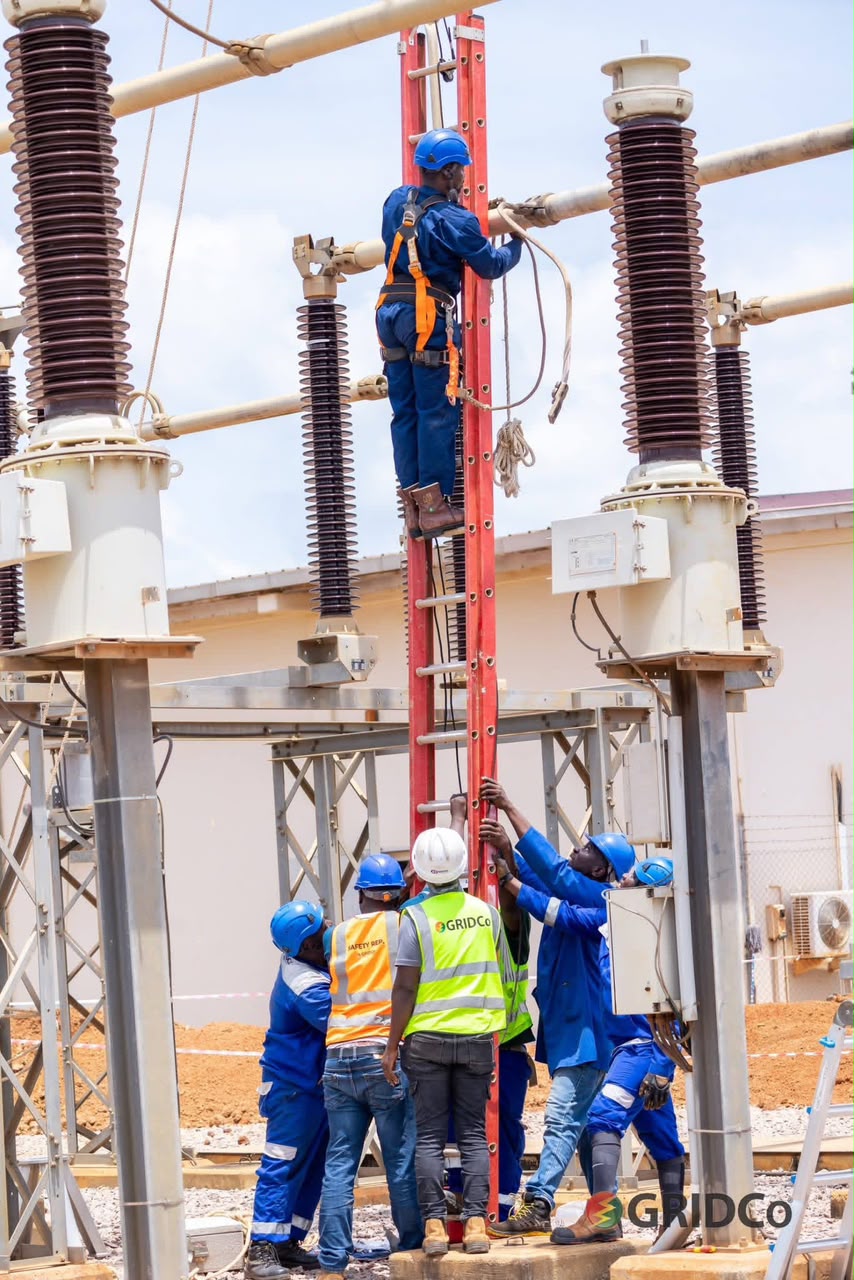
For a renewable-energy project such as Yendi Solar, this equipment is part of the infrastructure required to transfer generated electricity into the transmission system at the appropriate voltage and maintain the technical conditions required for reliable operation.
This becomes more significant as Ghana’s generation portfolio evolves.
A grid designed primarily around large, relatively predictable conventional plants must increasingly accommodate renewable sources whose output can change rapidly.
That places greater demands on network planning, system protection, dispatch coordination and balancing resources.
It also explains why Ghana’s renewable-energy ambitions cannot be separated from investment in transmission infrastructure.
A Test Of GRIDCo’s Technical Capability
The project carries another significance for GRIDCo itself.
Unlike developments delivered primarily through external engineering and construction contractors, the Yendi line was executed entirely by GRIDCo’s technical teams.
“The work brought together expertise across construction, line stringing, testing, commissioning, energisation and transformer integration.”
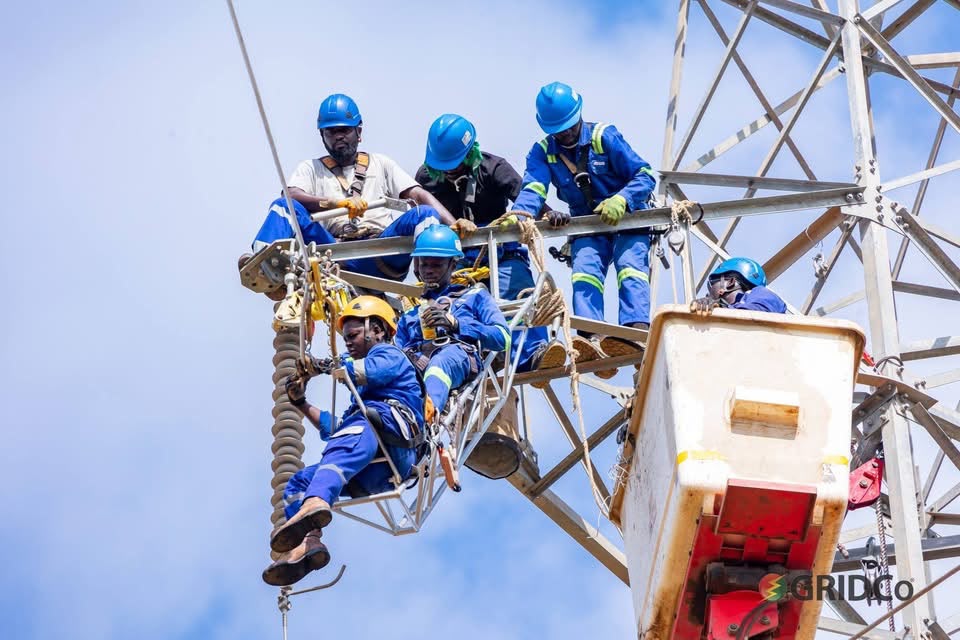
That represents an important institutional capability at a time when Ghana’s electricity infrastructure requirements are becoming more sophisticated.
Technical capacity within the transmission operator matters because infrastructure development does not end when a line is constructed.
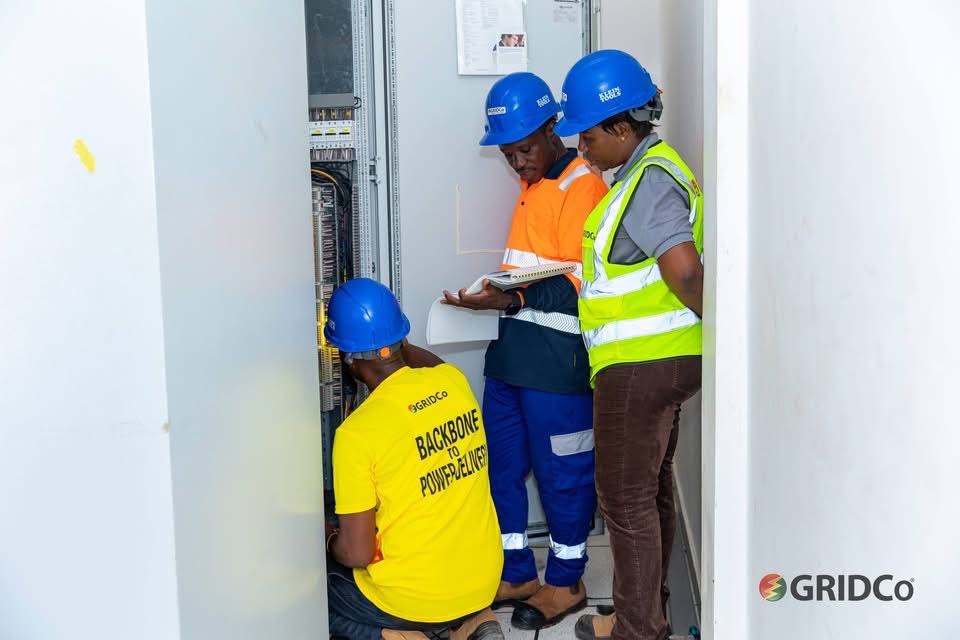
Transmission assets have to be tested, commissioned, integrated into the wider network and subsequently operated and maintained under demanding conditions.
The experience gained from delivering projects internally can therefore strengthen GRIDCo’s institutional knowledge and its ability to undertake or supervise future network developments.
It also highlights an important feature of energy security that is sometimes overlooked: technical expertise is infrastructure in its own right.
Ghana’s energy transition will require significant financial investment, but capital alone cannot deliver a reliable electricity system.
Engineers, planners, technicians and system operators must have the expertise required to integrate increasingly complex generation technologies into the grid.
The Yendi project offers evidence that this technical capacity is developing within Ghana’s transmission sector.
Renewable Expansion Requires Grid Planning
The project also illustrates why generation and transmission planning must move together.
If renewable generation is developed faster than the infrastructure required to evacuate it, the country risks creating stranded or underutilised capacity.
Conversely, transmission investments have to be aligned with expected generation additions and future electricity demand to ensure that network assets are economically justified.
This is particularly relevant as Ghana seeks to increase renewable-energy penetration.
Solar projects can add generation capacity relatively quickly, but their contribution to national electricity supply ultimately depends on the grid’s ability to accommodate their output.
Transmission planning must therefore anticipate where new generation will emerge, how electricity flows will change and where network reinforcement will be required.
The Yendi connection is a practical example of this principle. The investment does not merely serve a transmission requirement; it enables a renewable-energy project to become part of the national electricity system.
Northern Ghana Could Gain A Larger Role
The development also strengthens the case for northern Ghana to play a larger role in Ghana’s future electricity supply.
Historically, much of the country’s major generation infrastructure has been concentrated around hydropower resources and thermal-generation facilities, while demand has remained particularly strong in the southern industrial and commercial corridor.
Expanding renewable generation in the north could help diversify the geographical distribution of electricity production.
But that opportunity depends on network capacity.
The Yendi project is consequently part of a wider question about how Ghana can use its regional energy resources more efficiently.
If the transmission system is strengthened alongside renewable development, the country can potentially unlock generation opportunities that might otherwise remain commercially difficult to develop.
This has implications beyond electricity supply.
Reliable power is an essential input into industrialisation, and improved access to generation can support economic activity in regions where industrial and commercial development has historically faced infrastructure constraints.
The value of the Yendi connection therefore lies not only in its ability to move electricity but in what improved electricity infrastructure can enable around it.
From Renewable Capacity To Renewable Reliability
Ghana’s energy transition is entering a phase where the central question is becoming less about whether renewable generation can be installed and more about whether the electricity system can accommodate it reliably.
That distinction is important.
Solar panels produce electricity when the resource is available. The grid must then balance that generation against demand, manage fluctuations and ensure that consumers continue receiving electricity when renewable output changes.
This makes transmission investment part of the country’s resilience strategy.
A stronger network gives system operators greater ability to move electricity between locations and manage changing generation patterns.
Combined with energy storage, flexible thermal generation, improved forecasting and stronger distribution infrastructure, it can help Ghana accommodate a larger renewable component without compromising reliability.
The Yendi line is one piece of that much larger system.
The Bigger Test For Ghana’s Energy Transition
GRIDCo’s achievement ultimately provides a useful measure of how Ghana should approach its renewable-energy ambitions: generation targets have to be matched by infrastructure and technical capability.
The 4-kilometre line itself will not transform Ghana’s electricity system. But its completion demonstrates two things that will matter increasingly in the years ahead.
First, renewable generation projects need reliable evacuation infrastructure if their capacity is to translate into electricity for the national economy.
Second, Ghana needs strong domestic institutions capable of designing, delivering and operating that infrastructure.
The Yendi Solar transmission project brings those two requirements together.
By completing the line internally and integrating the associated 66MVA transformer into the Tamale–Yendi network, GRIDCo has strengthened the connection between northern renewable generation and Ghana’s wider power system while demonstrating the capabilities of its technical workforce.
The next challenge is scale.
As Ghana pursues additional solar generation and other forms of renewable energy, similar investments in transmission, storage, system flexibility and grid modernisation will determine how much of that new capacity can actually be converted into dependable electricity.
The lesson from Yendi is straightforward: Ghana’s renewable-energy transition will be only as effective as the grid built to carry it.
For GRIDCo, the project is a technical milestone. For Ghana, it is a reminder that the energy transition is not simply a generation story. It is a network story, and the strength of that network will determine how successfully the country turns its renewable resources into reliable power and broader economic value.
READ ALSO: TCDA CEO Calls for Collective Action to Transform Ghana’s Cashew Value Chain