The Ghana Private Road Transport Union (GPRTU) has warned that public transport fares could rise by between 25% and 30% following another expected increase in petrol and diesel prices. The union says the latest fuel price movement could make a review of fares increasingly difficult to avoid.
GPRTU Deputy Public Relations Officer, Samuel Amoah, disclosed that discussions are ongoing with the government over a proposed adjustment to transport fares. He explained that although the final figure has not been agreed, the increase could settle between 25% and 30%.
Fuel prices are expected to rise from Wednesday, September 16, with petrol projected to move beyond GH¢16 per litre while diesel could exceed GH¢19 per litre. The development has renewed pressure on commercial transport operators who have already been grappling with higher operating costs.

“We had that information that the fuel price is likely to go up, hopefully by tomorrow. We also did one or two searches, and we got information that it is true. It’s not just hearsay.”
Samuel Amoah
Mr Amoah indicated that the union received information about the expected adjustment and conducted checks before treating the development as credible. He stressed that the possible fuel increase would have a direct bearing on the cost of running commercial vehicles.
The latest development follows an earlier proposal by transport operators for a 30% fare increase in August. That adjustment was suspended after government introduced a GH¢2 reduction on diesel and appealed for more time to engage the unions.
Since then, the GPRTU has continued monitoring fuel prices alongside other expenses affecting operators. These include spare parts, lubricants, insurance and taxes, all of which are considered when determining the cost of commercial transport.
Mr Amoah noted that the proposed 30% adjustment currently under consideration by the Transport Ministry could still change after consultations. However, he indicated that any reduction would be unlikely to fall below 25% if fuel prices continue moving upwards.
Meanwhile, the unions have stressed that commuters will not be confronted with an immediate fare increase once an agreement is reached. Transport operators are expected to allow passengers some time to prepare before any approved adjustment takes effect.

The GPRTU has therefore urged commuters to prepare for a possible increase while negotiations continue. The union says the final fare decision will depend on the outcome of consultations with the government.
Earlier Fare Hike Returns As Fuel Costs Renew Pressure On Operators
The debate over public transport fares has resurfaced after the GPRTU and Ghana Road Transport Coordinating Council (GRTCC) formally petitioned the Ministry of Transport for a review. The request followed an increase in petroleum prices and growing operating costs for commercial transport operators.
The two transport bodies submitted their request on September 3 under the Administrative Instrument governing the determination and review of public transport fares. They explained that the process was intended to assess the various costs involved in running commercial road transport services.
The petition came after fuel prices increased on September 1, with petrol rising to about GH¢16.21 per litre and diesel reaching approximately GH¢17.61 per litre. The increases represented additional pressure on operators despite the government’s decision to absorb GH¢2 on every litre of diesel.
The latest push for higher fares also revived an earlier proposal that was suspended in August. At the time, the GPRTU was considering a 30% adjustment after rising fuel prices and other operational expenses made existing fares increasingly difficult to sustain.
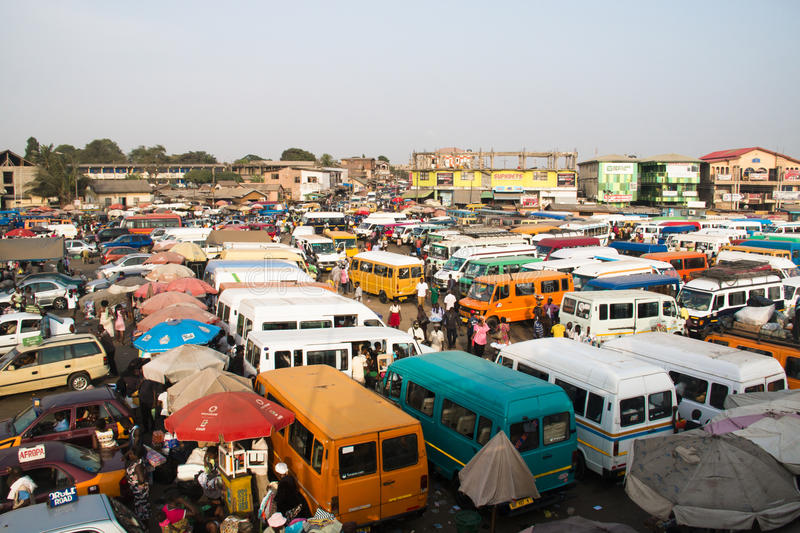
Government’s diesel intervention temporarily halted that planned increase and gave the transport unions an opportunity to reassess their position. The GPRTU subsequently monitored fuel prices while waiting to determine whether operating conditions would improve.
By early September, however, the union indicated that the intervention had not sufficiently reduced the pressures facing commercial drivers. Samuel Amoah explained that fuel remained only one component, with spare parts, lubricants, insurance and taxes also contributing to higher operating costs.
The situation prompted renewed calls for a fare review from the transport unions. Their September 3 petition specifically sought discussions with the Ministry of Transport before any new fares could be introduced.
Other stakeholders have since urged caution over the proposed adjustment. The Chamber for Price Control Ghana called for any review to be fair, evidence-based and affordable for commuters already facing higher living costs.
Meanwhile, Transport Users Advocacy Ghana rejected the proposed increase, describing it as premature and warning that higher fares could place additional pressure on commuters.
Following consultations on September 8, the GPRTU and GRTCC suspended any immediate fare adjustment.