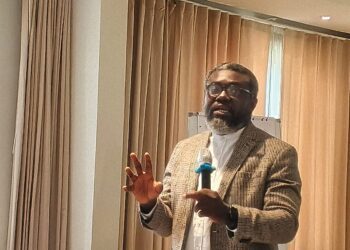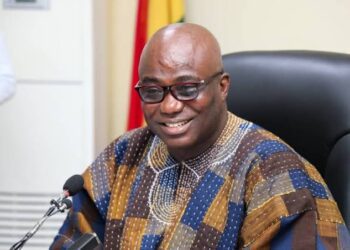
Majority Chief Whip and South Dayi Member of Parliament, Honourable Rockson-Nelson Etse Kwami Dafeamekpor, has called for immediate action if an ongoing investigation into Ghana’s COVID-19 expenditure audit is proven accurate.
Honourable Dafeamekpor argued that the alleged concealment of material findings from Parliament would constitute a serious breach of the legal obligations governing special audits.
The South Dayi MP referenced Section 16 of the Audit Service Act, which he explained places an obligation on the Auditor-General and his officers to report the findings of a special audit to Parliament. He therefore questioned how material findings from an audit commissioned with public resources could allegedly be excluded from the report eventually submitted to Parliament.
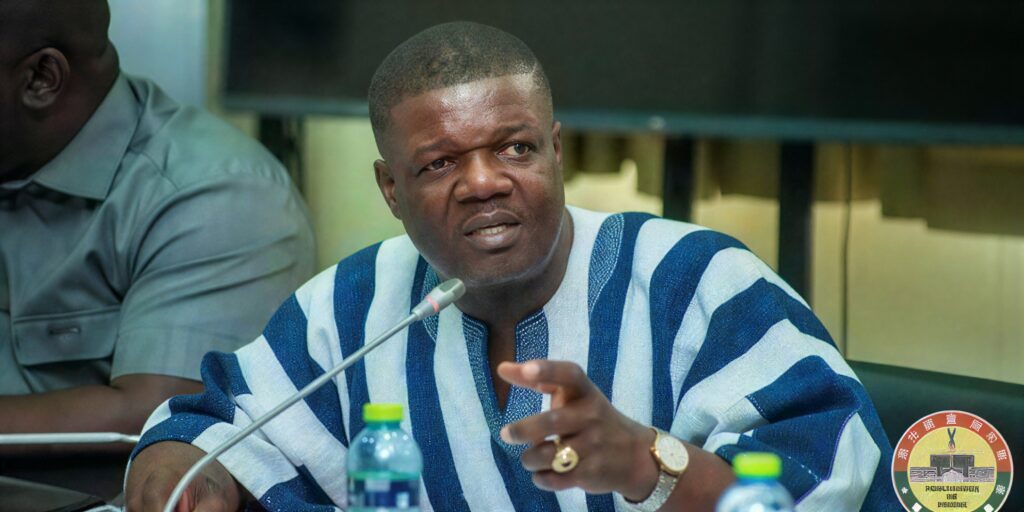
“You cannot conceal any facts from Parliament. So, where the evidence and pieces of material evidence that Manasseh has pieced together points irresistibly to the fact that they actually conducted the audit of the Ministry of Local Government and Transport, but in reporting to Parliament concealed material findings, they are in breach of Section 16.”
Honourable Rockson-Nelson Etse Kwami Dafeamekpor
Honourable Dafeamekpor stressed that the issue would go beyond an administrative omission if the facts established that an audit had been conducted and significant findings were deliberately withheld. The Majority Chief Whip described such an act as particularly troubling because Parliament relies on audit reports to scrutinise public expenditure and consider measures that may strengthen financial administration.
He argued that Parliament must receive complete findings where public institutions have been subjected to special audits. Such information, he noted, can also assist lawmakers in considering legislative reforms where weaknesses in public financial management are identified.
Additionally, Honourable Dafeamekpor questioned the possibility that an extensive audit could have been conducted across the country without relevant findings reaching Parliament. He said the scale of the alleged process made it difficult for him to immediately accept that material information could have been withheld at the reporting stage.
The South Dayi MP consequently called for arrests if the alleged concealment is established as fact. He indicated that he was deliberately cautious because the allegations were serious and require the underlying facts to be conclusively established.
He also presented an alternative possibility that could change the interpretation of the matter. If the Ministry of Local Government and Transport was not actually audited because of time limitations and incorrect information was given to Manasseh, he argued, that would require a different assessment.
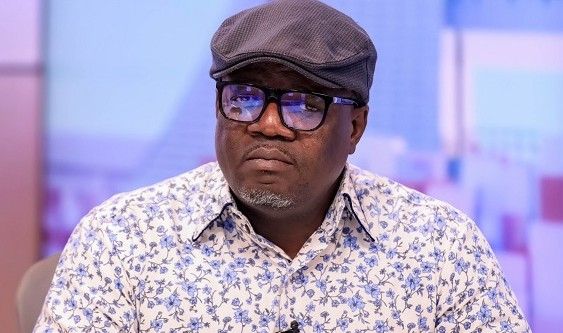
Nevertheless, Honourable Dafeamekpor reiterated that any deliberate suppression of findings from Parliament would demand a serious response. He stressed that public institutions entrusted with auditing government expenditure must comply fully with their statutory reporting responsibilities.
Covid Audit Of Ministry Not Captured In Final Report
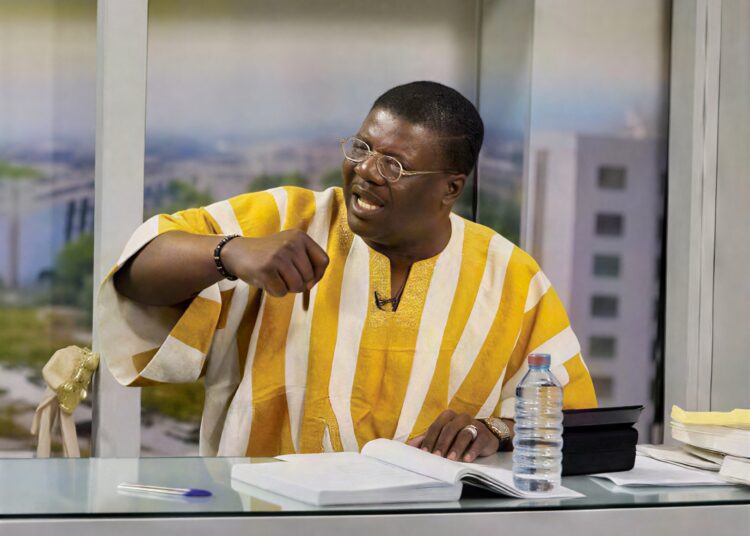
Manasseh Azure Awuni also focused on GH¢299 million spent by the Ministry of Local Government on COVID-19 fumigation, an amount he says was audited by the Audit Service but did not appear in the final report.
The journalist explained that he contacted the Audit Service to establish why the Ministry’s fumigation expenditure was absent from the COVID-19 audit. In response, the Service provided an appendix identifying the ministries covered by the exercise, including the Ministry of Local Government.
Mr Awuni disclosed that he specifically asked whether the Ministry’s fumigation expenditure had been examined. The response from the Audit Service, according to him, confirmed that the spending had been audited.
The revelation has become central to his investigation because the Auditor-General’s report reportedly put COVID-19 fumigation expenditure at GH¢96 million. The figure differs significantly from the GH¢299 million spent by the Ministry of Local Government on the same activity.
“So if you audited this ministry, which spent 299 million Ghana cedis on fumigation, they gave you the figures, you say you audited, why didn’t you capture it?”
Honourable Rockson-Nelson Etse Kwami Dafeamekpor
Mr Awuni argued that the discrepancy requires an explanation because the purpose of the COVID-19 audit extended beyond identifying possible financial wrongdoing.
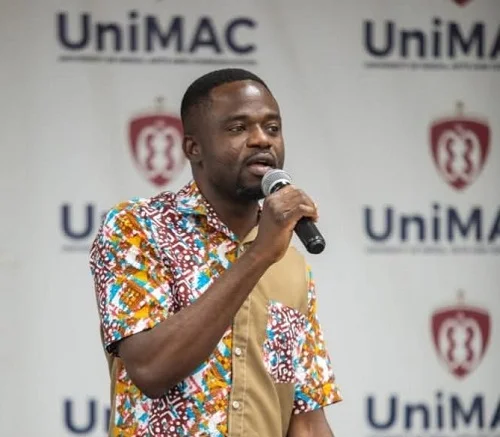
He pointed to the stated objective of providing a fair representation of money received and expenditure incurred during the pandemic. The investigative journalist therefore questioned how substantial expenditure by an entire ministry could be absent from the final account.
The Audit Service’s position, as recounted by Mr Awuni, is that the omission from the published report did not mean the expenditure itself had escaped audit scrutiny. He nevertheless argued that this explanation did not adequately resolve why the figures were excluded from the report presented to the public.
Furthermore, the investigation has drawn attention to the distinction between auditing expenditure and reporting the results of that audit. Mr Awuni’s account suggests that while the transactions may have been examined, the corresponding findings or expenditure figures were not incorporated into the final COVID-19 report.
The issue therefore extends beyond the size of the fumigation expenditure. It raises questions about the completeness of information presented in an official audit covering public funds spent during the pandemic.
READ ALSO: Minority Declines Participation In Foreign Affairs Briefing On South Africa Evacuation