The World Meteorological Organization (WMO) has warned that rivers across the globe experienced one of their driest years in more than three decades in 2025, as declining freshwater storage, persistent glacier loss and increasingly erratic water cycles deepen concerns over future water security.
According to the WMO State of Global Water Resources Report 2025, below-normal river flows were recorded across 36% of the world’s basin area last year, making 2025 one of the driest years for global river discharge in 35 years.
The findings point to a continuing deterioration in the availability and stability of freshwater resources, with the global water cycle increasingly characterised by swings between severe shortages and excess water.
The report found that the number of river basins experiencing “normal” conditions remained in a clear minority for the seventh consecutive year. Between 34% and 38% of river basins recorded normal conditions during the period, compared with an average of 46% between 1991 and 2020.
The WMO report, which assesses the full water cycle, shows that the changes are occurring across multiple parts of the freshwater system, including river discharge, groundwater, evapotranspiration, land water storage, snow and ice.
While some elements of the water cycle respond rapidly to changing weather conditions, others accumulate or decline over much longer periods. Groundwater, glaciers and seasonal snowpack can store water across seasons, years and even decades, providing an important buffer during periods of drought or reduced rainfall.
WMO Secretary-General Celeste Saulo described these slower-moving reserves as the planet’s “savings account,” traditionally protecting against individual droughts and dry seasons.
“Some parts of this cycle are fast such as precipitation, river flow, soil moisture they respond to weather within days or weeks. Others, like groundwater, glaciers and seasonal snowpack, are slow, they accumulate or deplete over seasons to decades or longer.
“Traditionally, these slow reserves have acted as the planet’s savings account: a buffer that absorbs bad years so that a single drought or a single dry season does not translate directly into a water crisis.”
Celeste Saulo
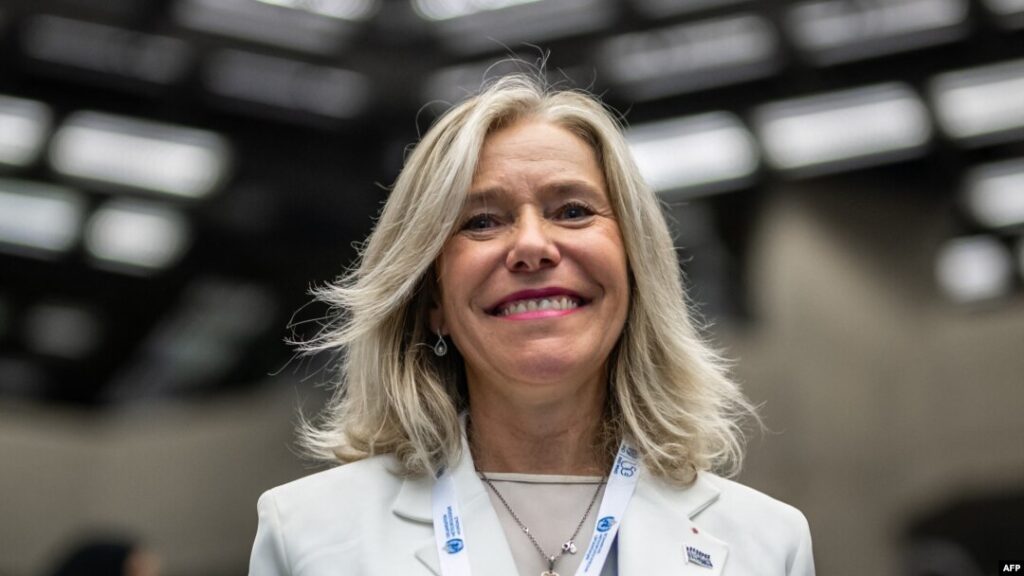
However, Saulo warned that this natural buffer is itself being depleted.
“We are depleting that savings account. Global terrestrial water storage has shown a declining trend since 2014–2016 a persistent, decade-long signal. For the fourth consecutive year, every major glaciated region on Earth lost ice mass.
“Groundwater tells a similar story: nearly two-thirds of monitored wells worldwide showed conditions outside the historical norm in 2025, and the balance shifted further toward deficit compared with 2024, not toward recovery.”
Celeste Saulo
According to the report, Asia and Africa together accounted for at least half of all recorded water-related extreme events over the past five years and more than 80% of associated reported deaths.
The figures place the two continents at the centre of the global water crisis, despite significant gaps in hydrological monitoring and observation across both regions.
The report notes that Africa and Asia remain among the least represented regions in terms of hydrological observations, even though their populations and economies are among those most exposed to water-related extremes.
This creates a critical challenge for governments and institutions seeking to anticipate and manage water shortages, floods and other hazards.
Shrinking Water Reserves Raise Long-Term Security Concerns
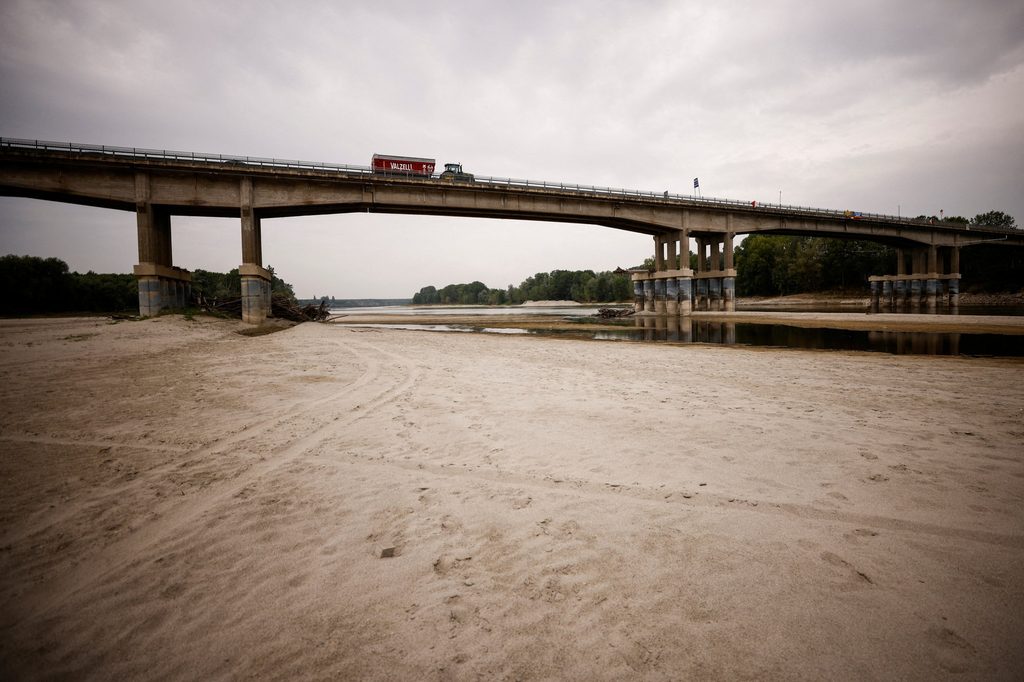
The deterioration in river flows is occurring alongside a longer-term decline in terrestrial water storage, raising concerns that the world is not simply experiencing isolated dry years but is gradually losing some of its capacity to absorb and recover from hydrological shocks.
Terrestrial water storage includes water held in groundwater, lakes and rivers, soil moisture, vegetation, ice and snow. The WMO report indicates that this storage has been declining since the middle of the 2010s.
That decline is significant because stored water can help sustain communities, agriculture and ecosystems when rainfall and river flows become unreliable.
Groundwater, in particular, serves as a critical reserve in many regions. However, the report found that nearly two-thirds of monitored wells worldwide were outside their historical norms in 2025, with conditions shifting further towards deficit compared with the previous year.
The pressure is also visible in the world’s glaciers. The WMO recorded widespread glacier loss for the fourth consecutive year in 2025, with every major glaciated region experiencing ice loss.
Between 2023 and 2025, glaciers lost a cumulative 1,400 gigatonnes of water. The WMO compares this amount with approximately 560 million Olympic-sized swimming pools and about one-third of annual global freshwater withdrawals.
Glacier retreat creates a complex water-security challenge because the consequences can emerge at different timescales.
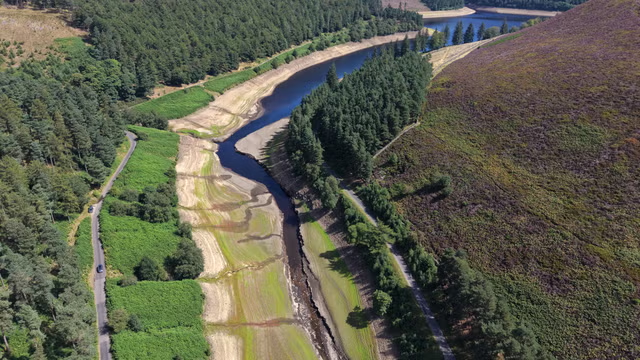
In the short term, accelerated melting can contribute to flooding and other hazards. Over the longer term, however, the continued loss of glaciers can reduce the volume of water available to populations and ecosystems downstream, particularly in regions that rely on seasonal meltwater.
The changes are therefore not confined to mountainous regions where glaciers are located. Water released or withheld upstream can influence agricultural production, domestic water supplies, hydropower generation and ecosystems hundreds of kilometres away.
“Water respects no borders. A river basin’s water balance depends on what happens in another country. A glacier’s retreat in one country reshapes water availability for populations hundreds of kilometers downstream. This is precisely why we need shared data, shared standards, and shared early warning the exact function WMO exists to perform.”
Celeste Saulo
Water’s transboundary character makes cooperation increasingly crucial as countries face an uncertain hydrological environment.
A river may cross many national borders, which means that decisions made in one country about water extraction, infrastructure, pollution, or conservation can have an impact on residents in other countries.
The dilemma is especially critical in locations where countries share major river systems and agriculture, energy production, and urban expansion are strongly reliant on reliable water availability.
However, the WMO research demonstrates that water scarcity is only one aspect of the growing problem.
National Meteorological and Hydrological Services have documented record-breaking droughts and floods in each of the last five years.
Conventional methods of managing water become more challenging as a result of this trend. Thus, governments must be ready for both excessive and insufficient water, sometimes in the same area and in comparatively short amounts of time.
READ ALSO: Brighton Stage Stunning Comeback to Eliminate Manchester United From Carabao Cup