The New Patriotic Party (NPP) has rejected the proposed extension of Ghana’s presidential term from four years to five years, insisting that the existing four-year tenure should remain unchanged. Presenting the party’s position on constitutional reform, the Member of Parliament for Gushegu, Honourable Alhassan Tampuli Sulemana, argued that regular elections remain important for democratic accountability.
The Gushegu MP explained that the NPP disagreed with both the Constitutional Review Committee’s recommendation and Government’s acceptance of a five year presidential term. The current Constitution provides for a four year presidential term, while the review process has proposed extending it to five years.
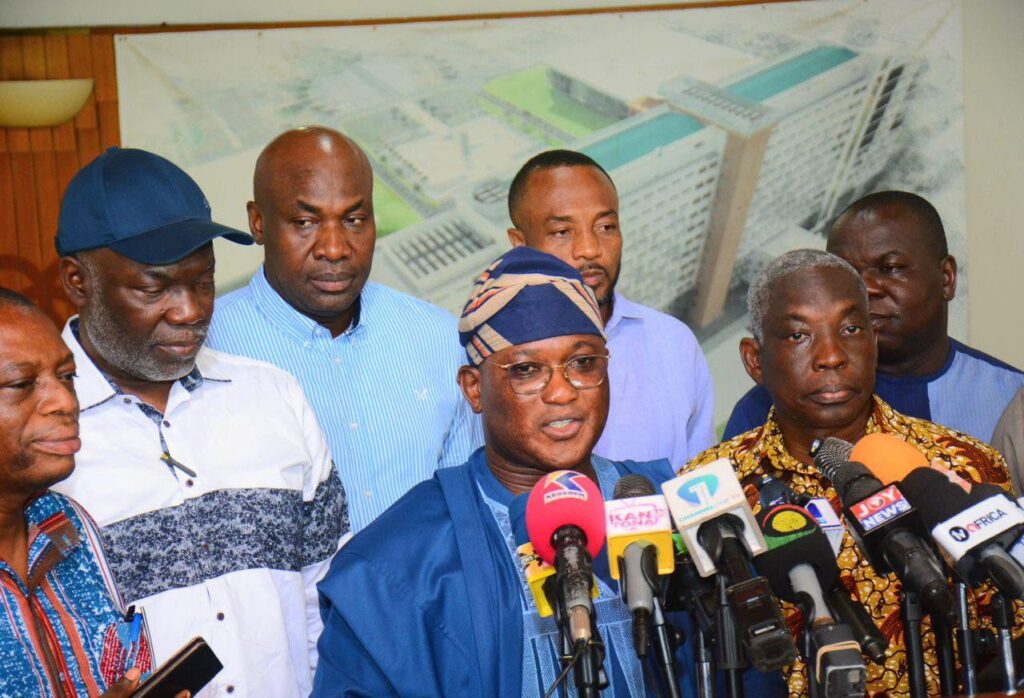
According to Honourable Sulemana, the proposed change is unnecessary because moving presidential elections from December to November would already provide additional time for an incoming administration to prepare for the assumption of office. He argued that transition challenges should be addressed through better planning and timely decision making.
Turning to democratic accountability, the NPP representative noted that a four year mandate gives citizens regular opportunities to assess the performance of a government. He cautioned that extending the tenure could give an underperforming administration an additional year before voters have another opportunity to renew or withdraw their mandate.
“A four-year mandate promotes democratic accountability by allowing citizens to regularly assess the performance of a government and renew or withdraw their mandate.”
Honourable Alhassan Tampuli Sulemana
Reflecting on the proposed election timetable, Honourable Sulemana indicated that the NPP supports holding presidential elections in the first week of November. He explained that the timing would be consistent with the constitutional requirement governing the period within which presidential elections may be held.
The Gushegu MP further proposed that the election should preferably take place on a Tuesday. He explained that this could minimise the possibility of excluding voters whose religious observances fall on particular days of the week.
Referencing possible runoffs, Honourable Sulemana pointed to Ghana’s presidential elections in 2000 and 2008, which proceeded to second rounds. He argued that an earlier election date could create sufficient room for an incoming administration to prepare while allowing time for any necessary runoff.
The NPP therefore supports changing the election date without extending the presidential mandate. Honourable Sulemana indicated that the party’s position seeks to combine adequate transition time with the continuation of Ghana’s established four year presidential cycle.
NPP Backs 30 Year Minimum Age For Presidential Candidates
The New Patriotic Party (NPP) has backed a proposal to reduce Ghana’s minimum age for presidential candidates from 40 to 30 years, rejecting Government’s proposed threshold of 35 years. Presenting the party’s recommendations on constitutional reforms, the Member of Parliament for Gushegu, Honourable Alhassan Tampuli Sulemana, argued that younger Ghanaians should have a meaningful opportunity to seek the presidency.
The Gushegu MP explained that the NPP’s position aligns with the recommendation of the Constitutional Review Committee, which proposed lowering the minimum age to 30. Government has instead proposed a threshold of 35 years as part of its response to the review recommendations.
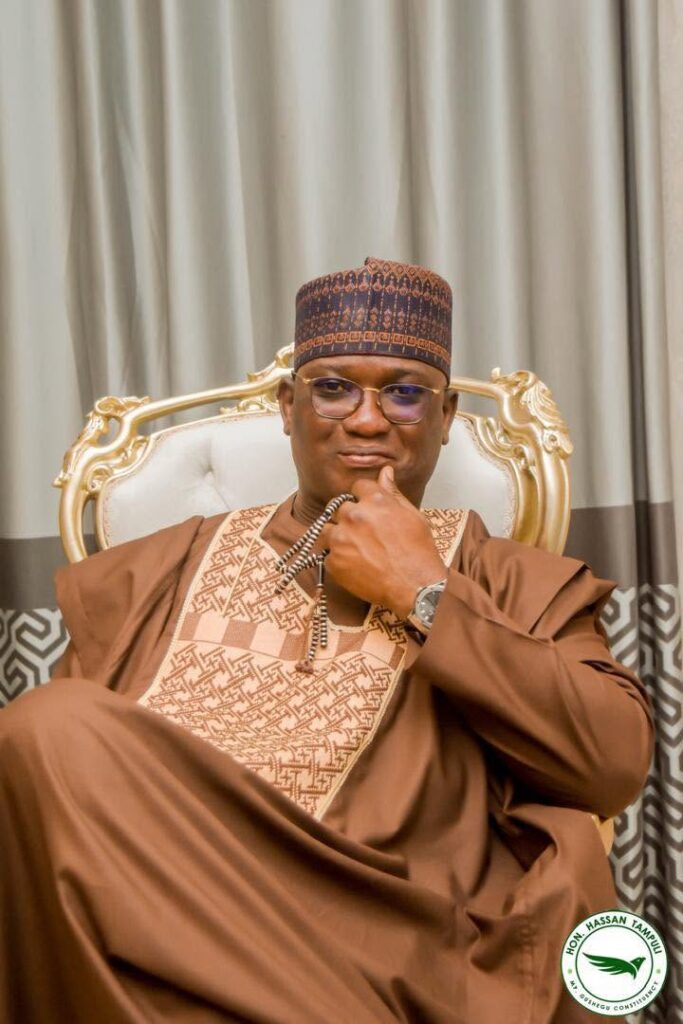
Turning to the principle behind the recommendation, Honourable Sulemana argued that age alone should not determine whether a qualified Ghanaian can aspire to the highest political office. He maintained that once a person meets the constitutional requirements and the prescribed minimum age, the individual should have the opportunity to seek the mandate of voters.
“Qualification to become president should not be based on the age of the person; it should be based on the ability of the person.”
Honourable Alhassan Tampuli Sulemana
Reflecting on Ghana’s population structure, the NPP representative pointed to the large number of citizens below the age of 30. He argued that the constitutional framework should take account of the country’s youthful population when determining eligibility for presidential office.
The Gushegu MP further contended that retaining a higher age threshold could prevent a substantial section of the population from participating directly in presidential contests. For the NPP, lowering the threshold would create greater room for qualified young people to enter national political leadership.
Referencing international practice, Honourable Sulemana noted that some jurisdictions permit younger citizens to contest for high public office. He used those examples to support the argument that political leadership should be linked to qualification and capability within constitutional limits.
The NPP’s position forms part of 92 recommendations the party has reviewed as it prepares its contribution to the constitutional reform process. Honourable Sulemana indicated that the party would publish the recommendations to enable Ghanaians to examine its proposed changes.
On youth participation, the Gushegu MP stressed that the NPP considers inclusion an important element of constitutional reform. He argued that opening presidential eligibility to a wider group of qualified citizens could strengthen opportunities for younger Ghanaians to participate in national leadership.
The party’s recommendation would therefore reduce the existing constitutional age threshold by ten years. Article 62 of the Constitution currently sets the minimum age for presidential eligibility at 40, while the CRC has proposed 30 and Government has proposed 35.
Honourable Sulemana indicated that the NPP’s broader recommendations are intended to shape the party’s contribution to the constitutional review exercise. He stressed that the party would distinguish between proposals it supports and those on which it holds a different position.
READ ALSO: NPP Calls For Constituent Assembly Before Constitution Referendum