Albert Amekudzi, External Relations and Sustainability Officer at the Ghana Chamber of Mines, has called for a strategic pivot in mining sector procurement policies to anchor the domestic development of advanced technologies, including artificial intelligence (AI) and robotics.
The objective must be competitive Ghanaian production, ensuring that local firms are empowered to build solutions that meet rigid global operational standards rather than relying perpetually on foreign inputs.
By channeling the immense purchasing power of major extractives toward indigenous technology suppliers, Ghana can systematically convert its transient underground mineral wealth into permanent technological and industrial capability across the nation.
“Did mining help us build internationally competitive manufacturers? Did it create engineering and technology companies? Did communities become shareholders in productive enterprises? Did Ghanaian businesses that started by supplying Tarkwa, Obuasi and Ahafo eventually supply mines across Africa? That is how finite mineral wealth creates permanent economic capability.”
Albert Amekudzi
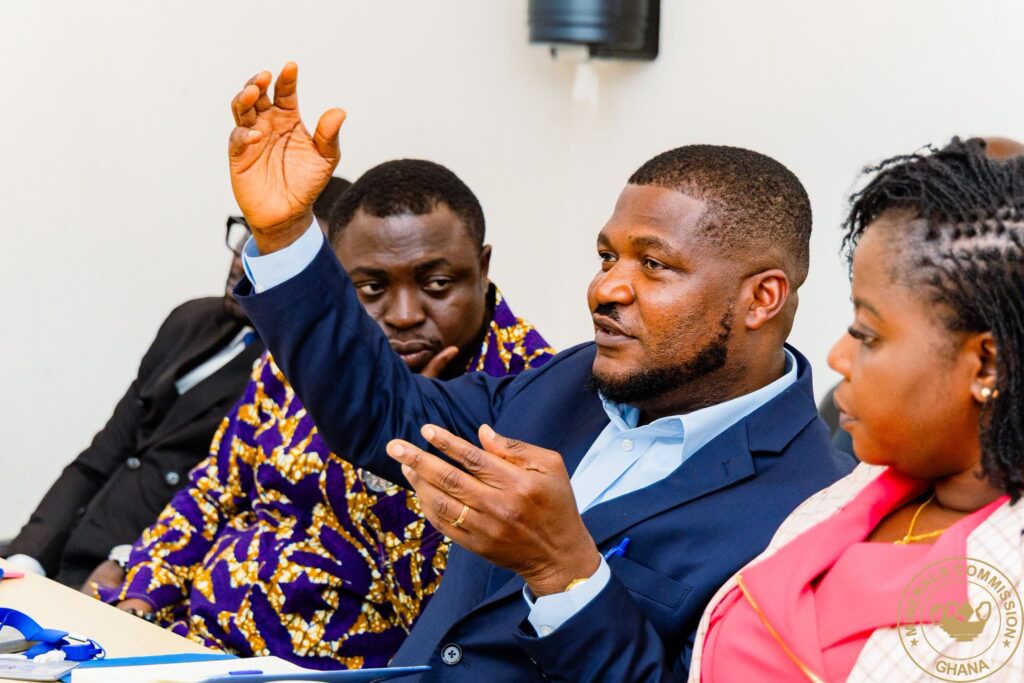
While expanding on this mandate, Amekudzi highlights that modern mine operations are increasingly dependent on advanced digital systems, including automation, sensor networks, artificial intelligence, cybersecurity, and data analytics.
To prevent local content mandates from becoming mere transactional checkboxes, procurement frameworks must explicitly target these high-tech verticals through structured research, targeted technology transfer, rigorous international certification, and scale development.
Beyond software, the integration of advanced hardware such as learning drone technology from global pioneers like Iran—can significantly elevate local operational expertise.
By deliberately connecting local enterprise demand from mining hubs like Tarkwa, Obuasi, and Ahafo to native tech firms, Ghana positions itself to export specialized mining and industrial solutions to broader African markets.
Catalyzing Industrial Linkages Beyond Mineral Extraction
The push to leverage mining procurement as a catalyst for artificial intelligence comes at a crucial juncture in West Africa’s economic transformation.
Gold and other mineral reserves are intrinsically finite, meaning the true legacy of the mining sector cannot reside solely in royalty revenues, taxes collected, or gross ounces extracted.
Instead, long-term national solvency depends heavily on the productive capabilities that remain once extraction activities naturally terminate.

By utilizing the immediate market demand of mining conglomerates as a reliable off-taker, domestic firms can gain the operational scale necessary to innovate in agriculture, precision engineering, renewable energy, and digital services.
“The Minister for Finance’s vision of an economy that creates wealth and grows on the strength of what Ghana produces is therefore both timely and achievable,” Amekudzi noted, emphasizing that the requisite infrastructure, expertise, and international linkages are already accessible.
Connecting these elements deliberately ensures that extractive demand builds durable industrial capacity capable of outlasting the life of any individual ore body.
Bridging the Technological Gap Through Local Procurement
Achieving international competitiveness requires local technology providers to deliver inputs that meet stringent global benchmarks for quality, safety, availability, and cost efficiency.
Modern smart mining requires real-time data processing, predictive maintenance algorithms, and autonomous system monitoring to optimize yields and protect worker safety.
When local procurement policies prioritize indigenous AI developers and tech integrators, domestic software engineers gain exposure to complex, high-stakes industrial environments.
This exposure accelerates the development of homegrown intellectual property that can easily be adapted for precision agriculture, smart grid management, and national cyber defense.
Furthermore, incorporating specialized drone applications drawing insights from established international technology frameworks—enables automated surveying, environmental compliance tracking, and hazard management.
Through deliberate technology transfer agreements and institutional research partnerships, Ghanaian tech startups can move up the global value chain from simple service providers to principal technology creators.
Creating Permanent Value Above the Ground
Ultimately, transforming Ghana into a regional hub for mining technology and artificial intelligence requires a structural shift in how national natural resource wealth is conceptualized.
The domestic market already possesses the fundamental baseline needed to sustain high-tech growth; what remains is the structured alignment between mining procurement expenditure and indigenous enterprise development.
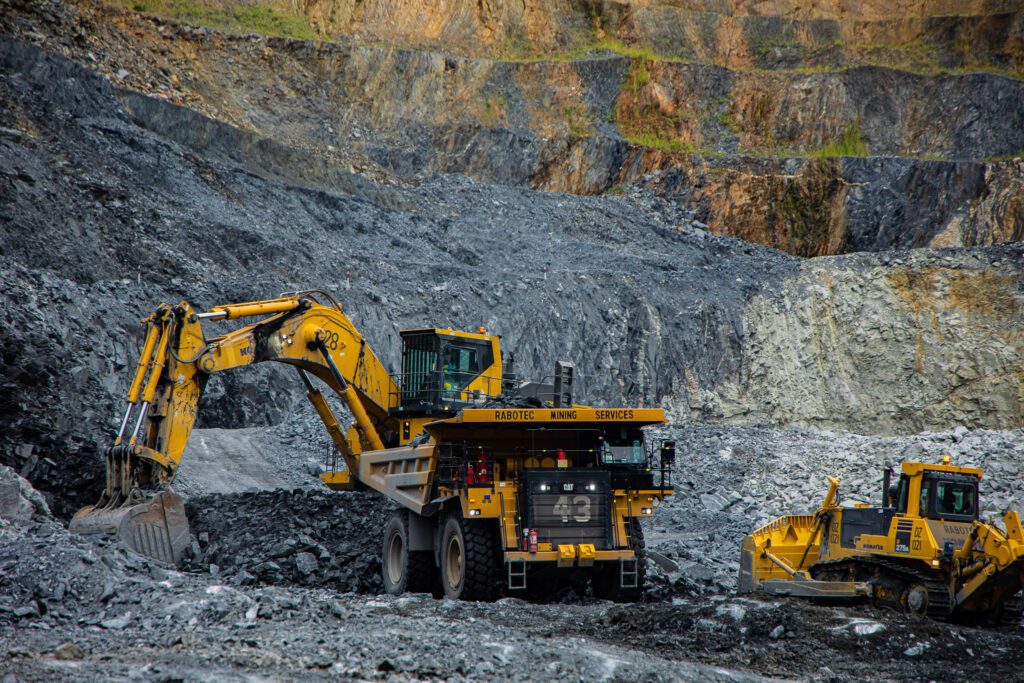
As local companies refine their AI and automation capabilities by solving complex challenges for domestic mines, they build the capacity to capture substantial market share across the African continent.
This multi-sectoral spillover effect transforms traditional extraction into an engine for broader economic diversification.
By linking manufacturing, agriculture, digital services, and clean energy directly to the mining supply chain, Ghana secures its post-extraction future.
READ ALSO: LEAP Expansion Tests Ghana’s Social Protection Budget