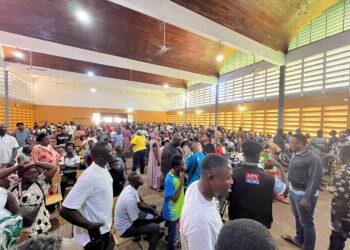
The Deputy Minister for Health, Prof. Dr Grace Ayensu-Danquah, has engaged the Abesim Health Centre and the Abesim Divisional Council as part of broader efforts to strengthen maternal healthcare delivery and accelerate action to reduce maternal mortality in the Bono Region, following calls from the facility for renewed government support.
During her visit, the Deputy Minister toured the health centre and interacted directly with health workers to better understand the specific challenges confronting the facility in delivering maternal and other essential health services to the surrounding community.
Reflecting on her interactions with staff, Prof. Ayensu-Danquah stressed the need for all stakeholders to actively contribute toward addressing the various factors contributing to maternal deaths, while working collectively to improve the overall quality of care available to women within the Abesim community.
“Preventing maternal deaths requires strong collaboration between health institutions, traditional leaders and communities,”
Dr. Danquah
Traditional Council’s Contribution Highlighted
The engagement also brought attention to the significant role played by the Abesim Traditional Council in supporting healthcare delivery within the area.

According to the Deputy Minister’s visit findings, the Council has previously supported the health centre with a power plant specifically intended to help ensure continuity of services, a contribution that has proven especially valuable given the facility’s operational needs.
Despite this local support, the Abesim Health Centre currently operates with only one doctor on staff, a situation the facility says requires at least two additional doctors to adequately meet its workload and improve overall access to medical care for patients within the community.
This staffing shortfall reflects a broader challenge facing many community-level health facilities across Ghana, where a single available doctor is often required to manage a workload that would typically necessitate a larger clinical team, placing considerable strain on both the doctor and the quality-of-care patients ultimately receive.
Chief Expresses Optimism Over Ministerial Attention
Speaking during the engagement, Nana Barima Acheaw, Chief of the Abesim Traditional Area, expressed optimism that the Deputy Minister’s visit would bring renewed attention and support to the health centre’s pressing needs.
He commended existing efforts already made to improve the facility, while expressing hope that the specific concerns raised, particularly around human resources and equipment shortages, would ultimately be addressed to enhance healthcare delivery within the area.
“The chief expressed hope that the concerns raised, particularly regarding human resources and equipment, would be addressed to enhance healthcare delivery,”
Nana Barima Acheaw
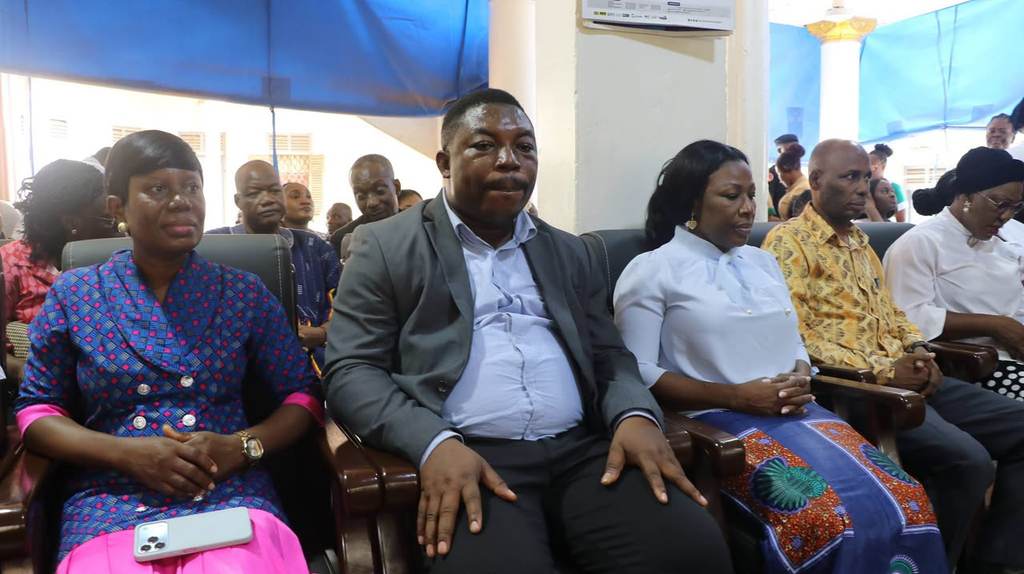
Deputy Minister Commends Traditional Authority’s Role
In response, Prof. Ayensu-Danquah commended Nana Barima Acheaw for his continued support toward the Abesim Health Centre, underscoring the critical role traditional authorities play in the broader national fight against maternal mortality.
She noted that meaningful progress in reducing maternal deaths depends heavily on strong collaboration between health institutions, traditional leadership structures and the communities they serve.
Addressing the facility’s specific equipment needs directly, the Deputy Minister assured the health centre that the Ministry of Health would work to address these gaps, stressing that the necessary support would be provided to enable the centre to deliver effective and quality healthcare services to the Abesim community going forward.
Community-Level Snapshot Of Broader National Challenges
The engagement at Abesim Health Centre reflects, at a localised level, many of the broader structural challenges previously highlighted by public health experts regarding Ghana’s primary healthcare system, including staffing shortages, equipment gaps, and reliance on community and traditional authority support to sustain basic service continuity.
The facility’s dependence on a Council-provided power plant, for instance, illustrates how community-level interventions have, in some cases, stepped in to address infrastructure gaps that might otherwise disrupt essential health service delivery.
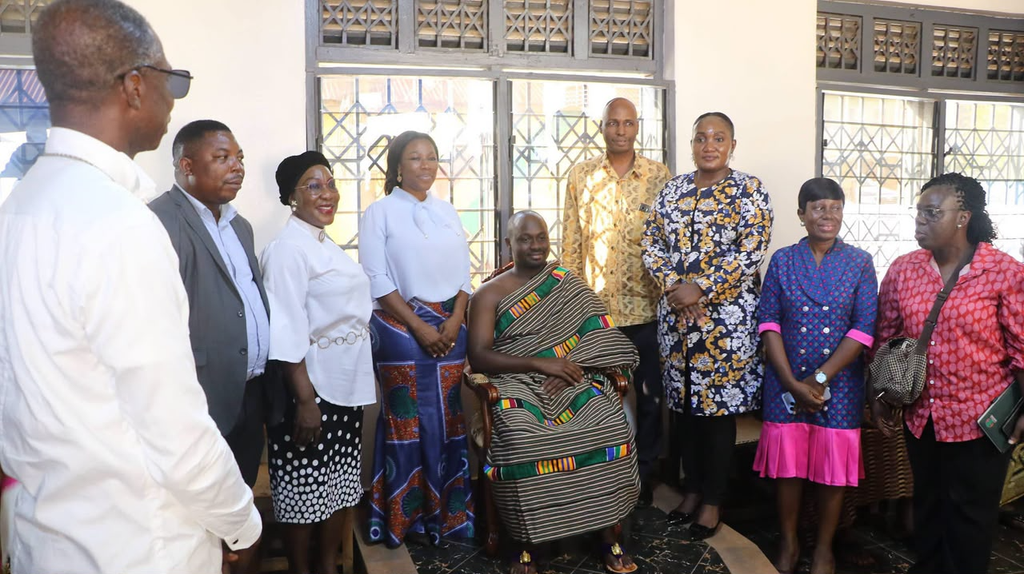
With the Deputy Minister having toured the facility and made specific commitments regarding equipment support, attention will likely turn to how quickly these assurances translate into tangible improvements at the Abesim Health Centre, particularly regarding the urgent need for additional medical staff.
Given the broader national conversation currently underway around maternal mortality reduction through initiatives such as the Maternal Mortality Action and Response Programme (MMARP) and the newly launched Presidential Initiative on Maternal Health (PRIMARRY), the outcome of this engagement may serve as one of many localised test cases for how effectively national policy commitments translate into concrete support at the community health facility level.
READ MORE: Mahama Begins 400-Bed Mother and Child Block at Korle Bu Teaching Hospital