Denmark has warned that Russia is expected to intensify its hybrid warfare campaign against European countries in the coming months, with Danish intelligence officials describing the current security situation as the most serious since the end of the Cold War.
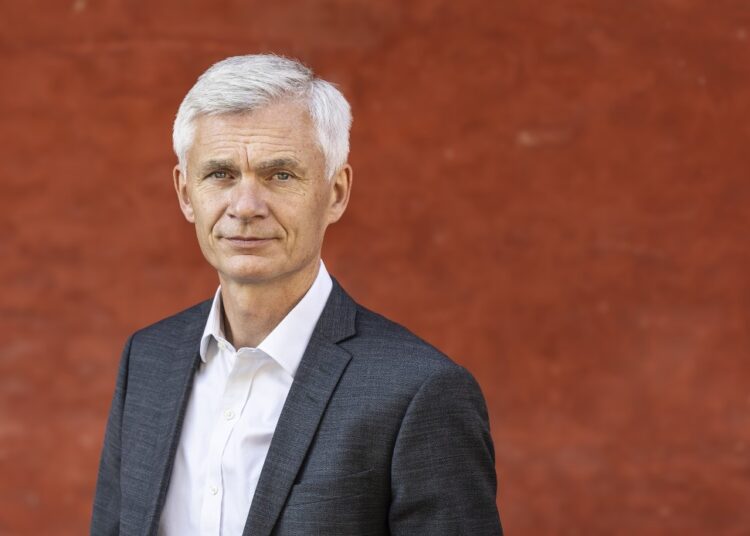
At a joint press conference, Danish Defence Minister Jeppe Bruus, Intelligence service Chief Thomas Ahrenkiel and Defence Chief Michael Hyldgaard warned of growing Russian activity involving hybrid attacks, including incidents involving drones and violations of the borders of NATO member states.
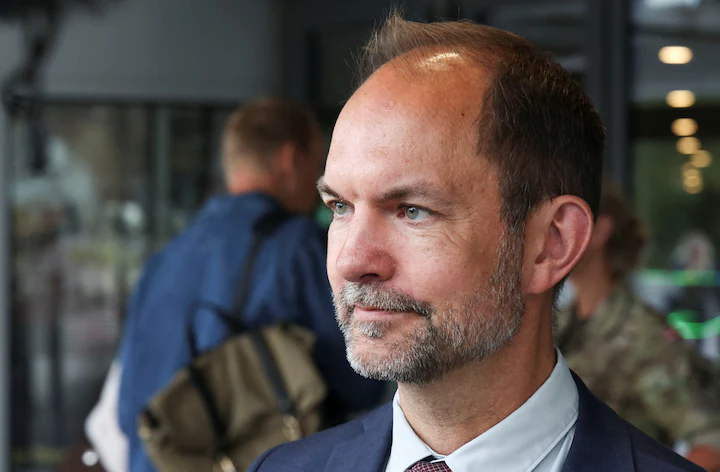
Ahrenkiel said that “the situation is more serious now than at any time since the end of the cold war,” as he outlined the latest assessment by Denmark’s Defence intelligence service. “In recent months, Russia has intensified its hybrid attacks,” Ahrenkiel said, citing incidents including a failed drone attack in Leipzig, a stray missile in Poland and drones that have violated the borders of NATO countries.
He said that Russia was “acting more and more aggressively” and carrying out increasingly dangerous hybrid and other attacks against targets in Europe.
The warning came ahead of the publication of a new intelligence assessment which said Russia would further escalate its hybrid war in the coming months.
Ahrenkiel said that there was a “small but increasing” risk of limited military attacks against a NATO country on the alliance’s eastern flank bordering Russia. He said that such an attack could potentially be carried out through a “false-flag” operation. “We cannot rule it out,” he said, while stressing that Denmark was not the country being referred to.

According to Ahrenkiel, Russia’s increasing willingness to take risks was affecting Denmark’s security environment. He also said that the risk of escalation could increase as Moscow comes under greater pressure over the war in Ukraine and continues to promote what he described as false claims that NATO intends to attack Russia.
The Danish intelligence Chief warned that Moscow could also seek to undermine Western support for Ukraine and create divisions within NATO, including through attacks targeting defence companies that support Kyiv.
“We assess that Russia will further escalate its hybrid war against us in the coming months with an increasing number of attempted attacks aimed at causing greater damage than before.”
Thomas Ahrenkiel
He stressed that there was no direct threat to Denmark, but said the country could become involved if Russia attempted a limited incursion into NATO territory, given what he described as Moscow’s increased willingness to take risks.
Ahrenkiel also said that Russian activity appeared to be particularly focused on countries that are among Ukraine’s closest supporters, with the aim of discouraging further assistance to Kyiv. He said that Danish intelligence was aware of some planning taking place in Russia.
Defence Minister Bruus, meanwhile, stated that Denmark remained committed to NATO and maintained close cooperation with its allies. He noted that decisions concerning Article 4 and Article 5 of the NATO treaty are ultimately political.
Article 4 allows NATO members to consult when the territorial integrity, political independence or security of any member is threatened, while Article 5 establishes the alliance’s collective-defence principle.
Bruus also stressed that Denmark and its European partners had no intention of ending their support for Ukraine. He said that Russia’s willingness to escalate demonstrated what he described as growing desperation as Moscow comes under pressure while failing to make sufficient progress on the battlefield.
Danish Foreign Minister, Lars Løkke Rasmussen also described the intelligence assessment as a serious warning that was consistent with incidents recorded in recent months. “When I speak to colleagues, there are both known and as yet unattributed incidents, all of which paint a picture of Russia escalating its actions,” Rasmussen said.
He warned that Russia could view the coming years as a “window of opportunity” while European countries remain in the early stages of strengthening their military capabilities and questions remain over the future level of US commitment to NATO.
Rasmussen noted that Russia was seeking to “sow discord” among European countries and between Europe and the United States. “We must stand firm against what the Russians are playing at,” he said.
Denmark Raises Threat Level for Destructive Cyber-Attacks
Following the intelligence warnings, Denmark’s agency for civil security raised its threat level for “destructive cyber-attacks” from medium to high.
The agency said that it now assessed that it was likely Russia would attempt to conduct destructive cyber-attacks against Denmark. The agency attributed the decision to Russia’s increased willingness to carry out hybrid attacks against European NATO countries, including destructive cyber-attacks.
It stated that the risk was particularly high for malware attacks designed to wipe data or disrupt operational technology.
The agency also said it had knowledge of specific planning for sabotage actions against Denmark, adding another dimension to concerns over Russia’s broader hybrid activities.
The development comes as Denmark and other European NATO members face growing concerns over cyber operations, sabotage, drone incidents and other activities that fall below the threshold of conventional military conflict.