The European Union and the Philippines have reached substantial agreement on a new free trade deal, marking another step in Brussels’ efforts to diversify its economic partnerships amid growing geopolitical and trade tensions with traditional partners, including China, Russia and the United States.
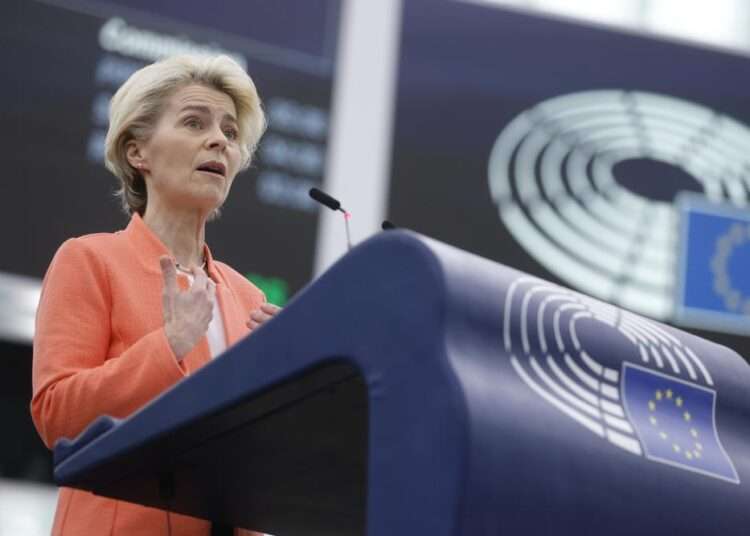
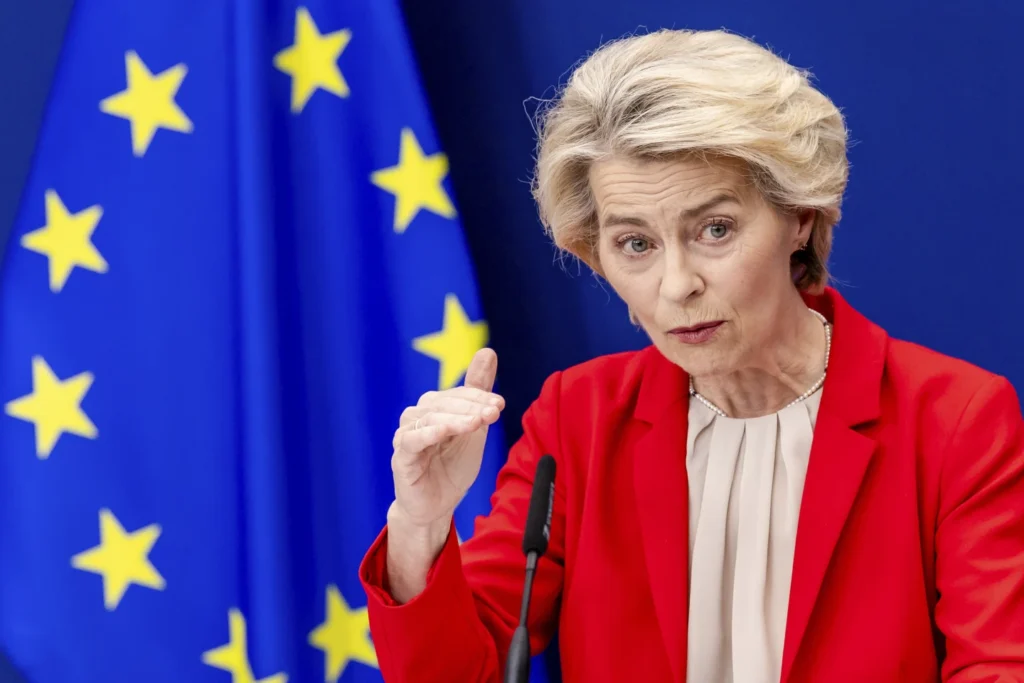
European Commission President, Ursula von der Leyen announced the development on Tuesday, saying, “we just agreed on a free trade deal.” EU officials later clarified that the agreement remains preliminary and that further negotiations will be required before a final deal can be concluded.
The EU’s top trade negotiator, Maroš Šefčovič, stated that he and Philippine Trade Secretary María Cristina Aldeguer-Roque had negotiated an agreement designed to increase trade and investment between the two sides.
Trade between the 27-member EU and the Philippines currently stands at nearly €30 billion, or around $35 billion, annually. The proposed agreement is expected to create greater market access for businesses on both sides while strengthening economic cooperation between Europe and the Southeast Asian country of about 115 million people.
Šefčovič described the proposed agreement as “a modern, forward-looking partnership between the EU and the Philippines,” saying that it would open new opportunities for exporters and investors, strengthen supply chains and deepen bilateral economic ties.

He said that he expected negotiations on the full agreement to be completed within one or two years. Once concluded, the deal would also require ratification by the relevant parliaments on both sides before it could take effect.
The proposed trade agreement would build on an already significant commercial relationship between the EU and the Philippines. Electronics account for a substantial share of bilateral trade, with the EU exporting products such as aircraft, pork and pharmaceuticals to the Philippines.
In return, the European market imports semiconductors, integrated circuits and industrial machinery produced in the Southeast Asian country.
The agreement comes as the EU seeks to develop new sources of trade, investment and supply-chain resilience at a time of heightened geopolitical uncertainty.
Brussels has been pursuing trade agreements with countries across different regions, seeking to expand economic opportunities and reduce vulnerabilities linked to dependence on traditional trading relationships.
The strategy comes against the backdrop of conflicts in the Middle East and the war in Ukraine, which have disrupted established economic relationships and contributed to pressure on Europe’s energy supplies and broader economic security.
EU Expands Trade Talks Across Southeast Asia
The Philippines agreement forms part of a wider European effort to deepen trade relations across Southeast Asia.
The Philippines has already concluded trade agreements with two other members of the Association of Southeast Asian Nations, Vietnam and Singapore. The European Commission is also conducting separate negotiations with Thailand, Indonesia and Malaysia.
Brussels continues to regard a broader free trade agreement between the EU and ASEAN as a longer-term objective, potentially creating a larger framework for economic cooperation between Europe and the Southeast Asian bloc.
The EU’s approach also reflects a broader emphasis on partnerships with middle powers as countries seek greater economic flexibility amid increasing competition among major global powers.
Canadian Prime Minister Mark Carney outlined a similar “middle powers” strategy at the World Economic Forum in Davos, Switzerland, earlier this year, emphasising cooperation among countries seeking to strengthen their economic and strategic relationships.
Carney’s approach has also featured prominently in his engagement with European leaders. Last week, he was the guest of honour at the European Parliament in Strasbourg during the annual State of the European Union speech delivered by von der Leyen.
The EU-Philippines agreement therefore comes within a broader effort by Brussels to strengthen relationships beyond its traditional economic partners while expanding access to new markets and reinforcing supply chains.
For the Philippines, the proposed deal could provide greater access to the EU market and create additional opportunities for exporters and investors. For Brussels, it represents another step towards building a more diversified network of trade relationships across Asia and beyond.
The preliminary agreement will now require further negotiations before the two sides can reach a final text, after which the deal will have to undergo the necessary ratification processes.