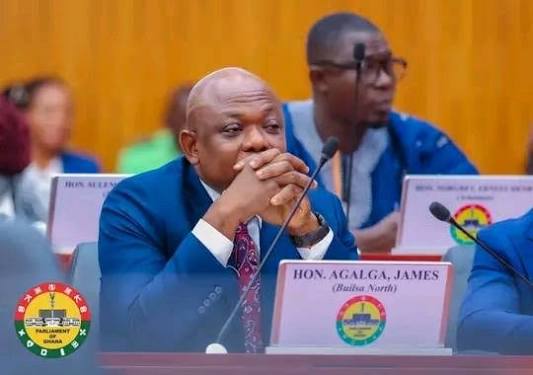
The Majority Leader and Member of Parliament for Builsa North, Honourable James Agalga, has challenged former Defence Minister Dominic Nitiwul’s explanation for the exclusion of the Narcotics Control Commission from joint container inspections at Ghana’s ports.
Referencing his press conference on the country’s recent narcotics seizures, Honourable Agalga described the justification for the 2018 decision as inadequate and questioned why NACOC was specifically removed from the physical inspection process.
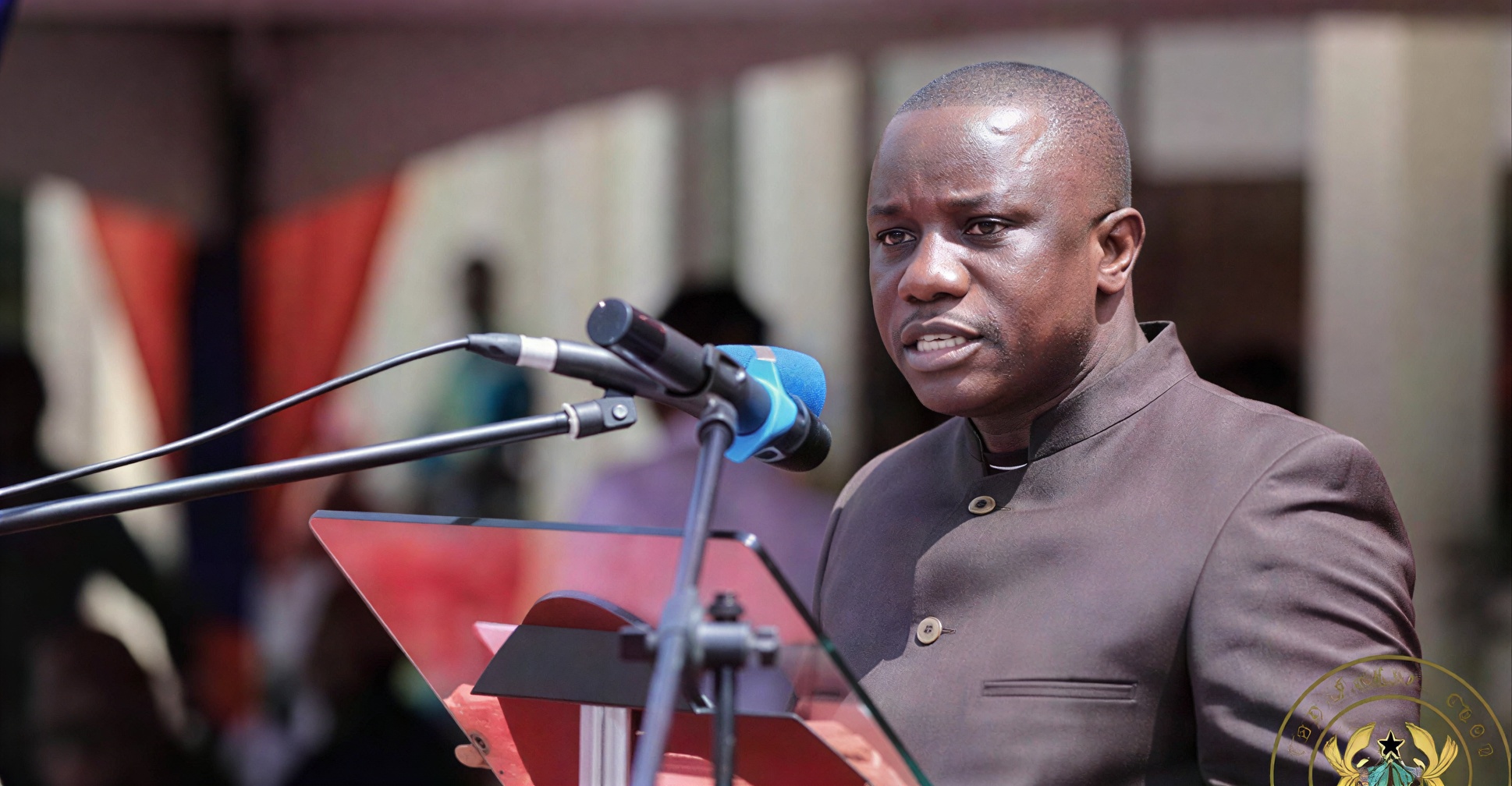
Honourable Nitiwul has argued that NACOC was not removed from the ports but was stopped from participating in routine physical container inspections as part of reforms aimed at reducing delays, bureaucracy and corruption. He explained that NACOC officers are still at the ports and could inspect containers when intelligence or other officers flag them.
However, the Majority Leader rejected this distinction, arguing that the purpose of joint inspection is for relevant agencies to examine containers together. He explained that NACOC’s specialised mandate in drug law enforcement makes its physical participation important whenever containers are opened for inspection.
“Why did they settle on NACOC? Why was it NACOC? However, this government now finds it very compelling and necessary to reinstate the Narcotics Control Commission in the joint inspections because the mandate of the Narcotics Control Commission is drug law enforcement.”
Honourable James Agalga
Honourable Agalga argued that the presence of several agencies during a joint inspection should not necessarily create delays because the inspection is conducted simultaneously. He explained that officers with different mandates can identify different risks within the same container, allowing the appropriate agency to respond immediately.
The Builsa North MP therefore disputed the argument that excluding NACOC from routine physical inspections is necessary to improve efficiency at the ports. In his view, having the drug enforcement agency present alongside Customs and other relevant institutions would strengthen the detection of concealed narcotics without requiring separate inspections by each agency.
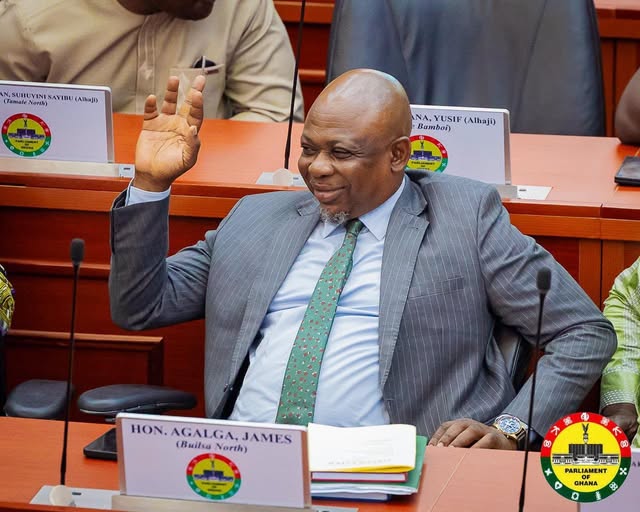
He also questioned the logic of keeping NACOC at the ports while limiting its direct involvement to containers already flagged by other officials. Honourable Agalga argued that such an arrangement places the agency in a reactive position when its specialised expertise could have contributed to identifying suspicious consignments during the initial inspection.
Drug Seizures Abroad Do Not Mean Failure, Majoiryt Leader Argues
The Majority Leader and Builsa North MP, Honourable James Agalga also argued that the interception of narcotics outside Ghana should not automatically be interpreted as evidence that the country’s drug enforcement institutions are failing. Honourable Agalga explained that the nature of modern drug trafficking requires authorities across jurisdictions to work together because criminal networks do not operate within a single country.
Responding to why recent consignments associated with Ghana had been intercepted in countries such as France and South Africa instead of being stopped before leaving Ghana, he explained that transnational organised crime involves numerous people, routes and operations that can span several jurisdictions, making international intelligence sharing essential.
Honourable Agalga further pointed to improvements in NACOC’s ability to detect and interdict narcotics as an indication that enforcement capacity has expanded. He argued that an increase in interceptions can demonstrate stronger surveillance and intelligence gathering rather than simply confirming that more drugs are successfully passing through Ghana.
“We are dealing with transnational organised crime. So, the traffickers may not necessarily be in one jurisdiction. The fact that cocaine, heroin are being interdicted and intercepted in itself is evidence that a lot more work is happening.”
Honourable James Agalga
The Builsa North MP explained that a shipment can move through one jurisdiction while the individuals financing, organising or receiving it operate elsewhere. Consequently, an interception in a foreign country can still generate information that assists Ghanaian investigators in tracing the wider network behind a consignment.
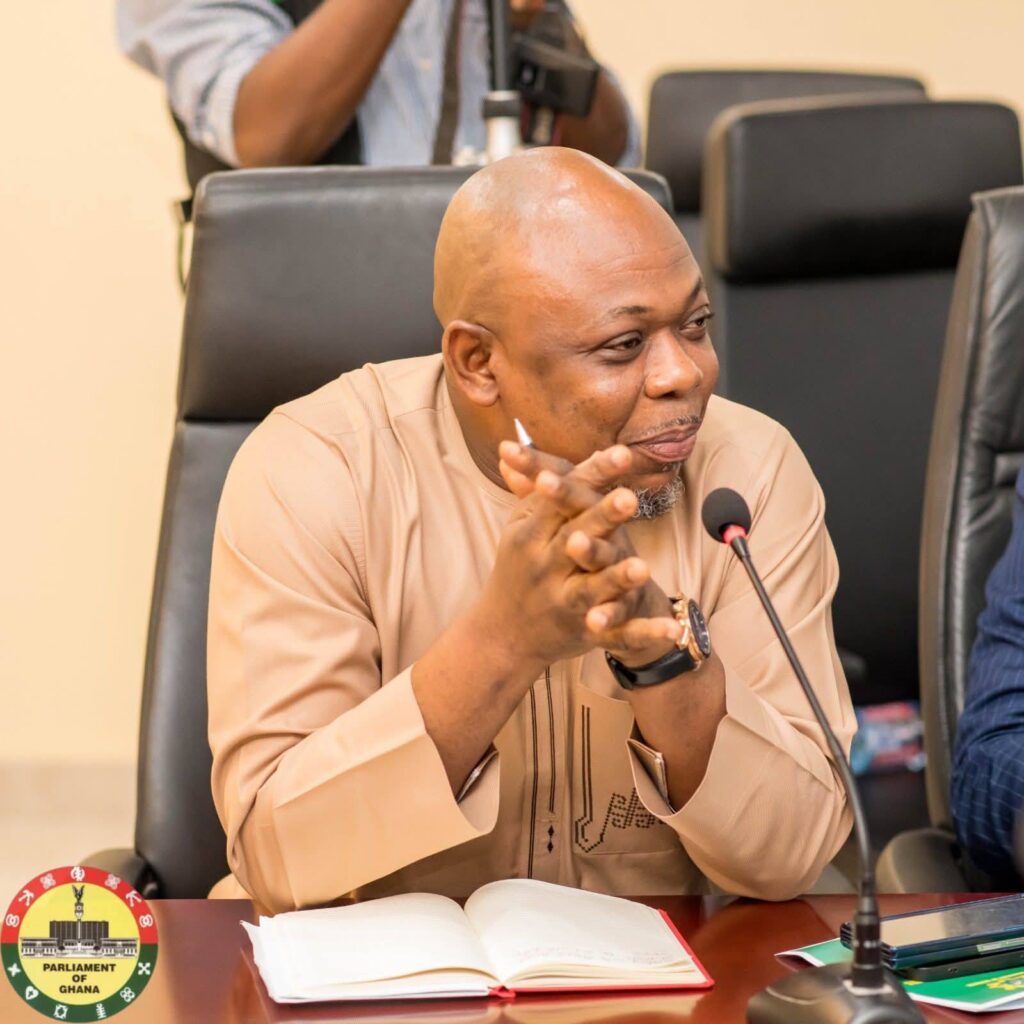
Honourable Agalga therefore cautioned against judging Ghana’s narcotics enforcement solely by the location where a drug shipment is eventually intercepted. He pointed instead to the importance of surveillance, intelligence, interdiction and international cooperation in disrupting trafficking networks whose operations can extend beyond national borders.
The Majority Leader’s argument also places emphasis on the evolving methods used by drug traffickers. As criminal organisations adapt their routes and concealment techniques, enforcement agencies must equally improve intelligence capabilities and coordinate with counterparts in destination and transit countries.
Additionally, the government seeks to promote stronger cooperation among NACOC, the Police Service, National Intelligence Bureau, Immigration Service and other institutions involved in narcotics enforcement. The Majority has cited increased arrests, expanded NACOC district commands and improved inter-agency operations as part of the administration’s broader enforcement approach.
READ ALSO: Ghana Hosts High-Level Talks on Protecting Education During Crises