The global disruption caused by COVID-19 has left a lasting challenge for governments and health institutions: How prepared will the world be when the next major outbreak emerges?
Years after the pandemic claimed millions of lives, overwhelmed health systems, disrupted societies and brought much of the global economy to a virtual standstill, efforts are now focused on strengthening the mechanisms needed to detect, prevent and respond to future pandemics.
The question confronting the United Nations is no longer limited to whether another pandemic will occur. It is increasingly about whether countries can develop the collective capacity necessary to limit its human and economic toll.
Viruses do not respect national borders. An outbreak may begin in one country, but international travel and interconnected economies can rapidly turn a local health emergency into a global crisis. Surveillance systems, transparent data sharing, scientific research, vaccines, diagnostics and treatments therefore extend beyond the responsibility of individual governments.
According to WHO Director-General, Tedros Adhanom Ghebreyesus, the current investment in pandemic preparedness remains insufficient, warning that the world is not doing enough to prepare for the next pandemic.
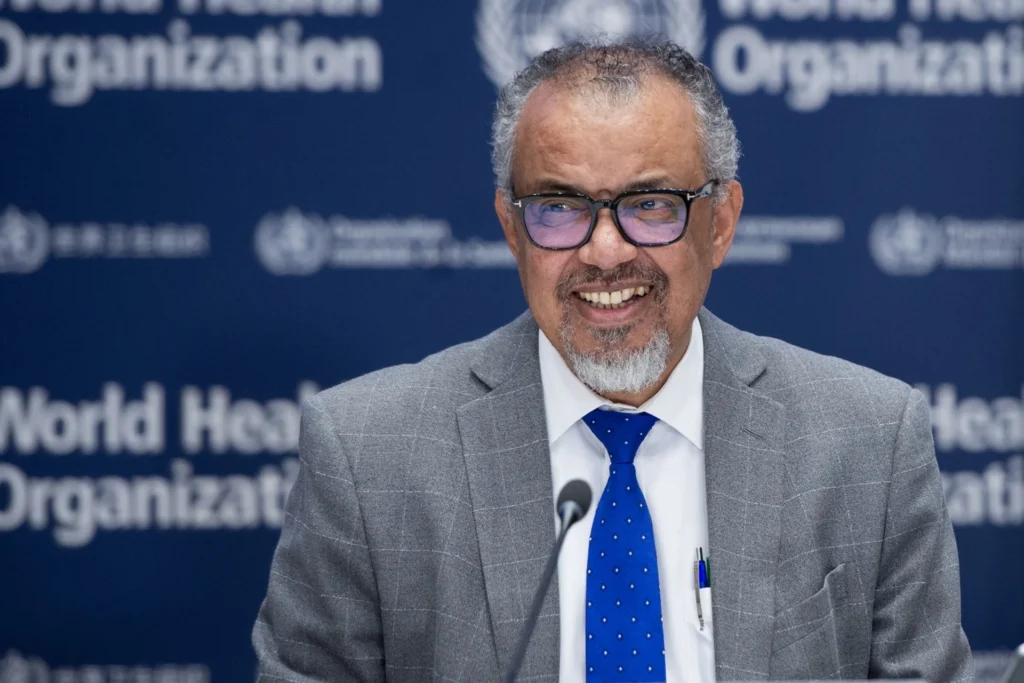
His assessment comes against the backdrop of a global health system still dealing with the institutional and political consequences of COVID-19.
The pandemic exposed major inequalities between countries in access to vaccines, treatments and other medical supplies, while differences in surveillance capacity and public-health infrastructure contributed to uneven national responses.
For developing countries, particularly those with already constrained health systems, the crisis also highlighted the consequences of depending heavily on external supply chains and international financing during a global emergency.
The experience has since strengthened calls for a more coordinated international framework capable of ensuring that countries can respond collectively rather than relying on fragmented national measures when the next health emergency emerges.
That effort reached a major milestone on 20 May 2025, when the World Health Assembly adopted the WHO Pandemic Agreement following three years of negotiations.
The agreement was presented as a landmark attempt to establish a stronger international framework for pandemic prevention, preparedness and response, while addressing some of the weaknesses exposed by COVID-19.
Yet its adoption did not immediately complete the process.
Countries must still settle the details of the pathogen access and benefit-sharing system, known as PABS, which is expected to form an annex to the agreement.
The PABS system is central to the broader framework because it seeks to establish arrangements governing access to pathogen materials and genetic sequence information while linking that access to the equitable sharing of benefits arising from their use.
Once the relevant annex is adopted by the World Health Assembly, the Pandemic Agreement can move towards signature and ratification by countries.
Lessons From COVID-19 and the Future of Global Health
The urgency surrounding the Pandemic Agreement is reinforced by the personal and institutional memories of COVID-19 shared at the UN gathering.
Khalilur Rahman, President of the 81st session of the UN General Assembly, recalled the fear associated with the pandemic while speaking about his daughter, a doctor who left home to care for COVID-19 patients.
However, Rahman warned that forgetting the experience would not eliminate the threat posed by future pandemics.

“The world has always lived with viruses and with the risk of pandemics. We cannot eliminate that risk entirely, but we can decide how prepared we will be when the next threat emerges.”
Khalilur Rahman
Emphasising that “multilateralism matters,” Rahman pointed to the adoption of the WHO Pandemic Agreement as evidence that countries can still find common ground despite growing geopolitical divisions.
That cooperation is being tested by the wider international environment.
The COVID-19 pandemic demonstrated how quickly an infectious disease can affect international trade, employment, education, healthcare and food systems. It also showed that the consequences of a health emergency do not stop at hospital doors.
Speaking on behalf of UN Secretary-General António Guterres, Deputy Secretary-General Amina Mohammed indicated that the lessons of COVID-19 had been learned at immense human and economic cost.
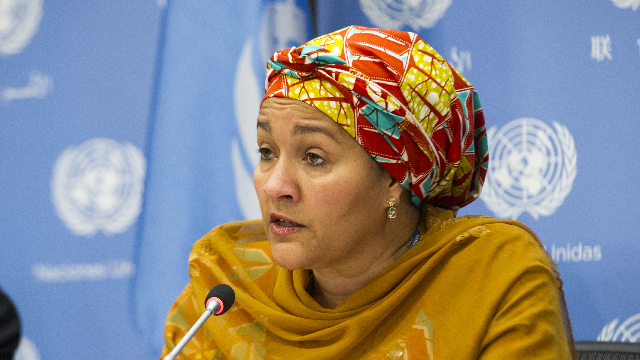
“Our responsibility,” she stated, is to “turn this lesson into lasting preparedness.”
She warned that international attention and resources frequently surge when an outbreak becomes an immediate threat but decline once infections fall.
The ongoing Ebola outbreak in the Democratic Republic of the Congo, while not declared a global pandemic, has provided another test of the international community’s ability to respond to infectious disease threats.
Mohammed indicated that the outbreak had tested “our collective readiness” to act.
“Too often, complacency replaces action. When a virus first hits, money flows and promises are made. But, when infections slow, commitment starts to wane.”
Amina Mohammed
The concern is that such cycles can leave countries vulnerable between emergencies, with health systems expected to respond to new threats despite insufficient investment during periods when no major crisis dominates international attention.
She therefore called for sustained preparedness rather than temporary mobilisation.
The warning comes at a time when infectious disease risks are increasingly shaped by challenges beyond the health sector.
Climate change can alter patterns of disease and place additional strain on vulnerable communities, while conflict can damage healthcare systems, cause large-scale displacement and make surveillance of emerging diseases more difficult.
The convergence of these factors means preparing for pandemics increasingly requires attention to development, security and international cooperation.
READ ALSO: Ghana’s Solar Push Faces Its Storage Test