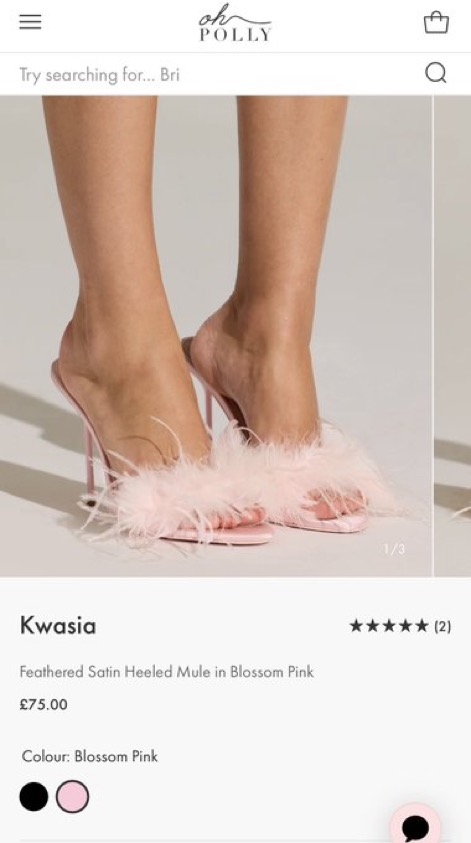
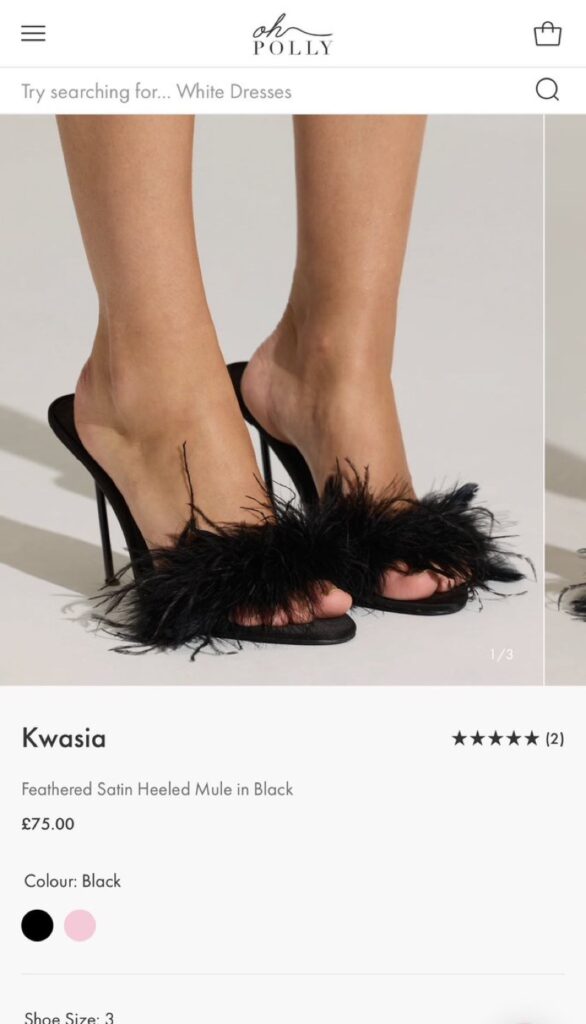
A United Kingdom-based fashion retailer has quietly renamed one of its footwear styles after the original product name sparked widespread outrage among Ghanaians online. The brand, Oh Polly, had listed a pair of feather-trimmed high-heeled mules under the name “Kwasia,” a word that in the Akan language of Ghana is a common and strongly derogatory term meaning “fool,” “idiot,” or “stupid person.”
Images of the pink and black versions of the open-toe mules, complete with fluffy feather detailing across the toe strap, began circulating on social media platforms including Instagram, X and TikTok in late September 2026. Ghanaian users quickly pointed out the linguistic mismatch, with many expressing disbelief that a major fashion label would choose such a term for a commercial product without apparent awareness of its meaning in West African languages.
Screenshots of the product page and the shoes themselves spread rapidly, accompanied by comments ranging from humour to sharp criticism of cultural insensitivity.
In Akan-speaking communities across Ghana and the diaspora, “kwasia” is not a mild insult. It is a pointed term of mockery frequently used in everyday speech, comedy and social media banter. Seeing the word attached to a glamorous, high-heeled fashion item struck many as tone-deaf at best and disrespectful at worst.
Within hours of the posts gaining traction, calls mounted for the brand to withdraw or rename the style.
Oh Polly, known for its bodycon dresses, partywear and accessible glamour aimed largely at a young female audience, appears to have responded by changing the product name. While the company has not issued a detailed public statement explaining the original choice or the subsequent amendment, the updated listing no longer carries the contested title.
The shoes themselves remain available in the same distinctive feathered design that first drew attention.
The episode highlights the speed with which linguistic and cultural missteps can travel in the digital age. Fashion brands operating on a global scale routinely draw product names from a wide range of sources-personal names, place names, abstract concepts or invented words yet the risk of unintended offence rises when those names intersect with living languages spoken by significant online communities.
In this case, the Ghanaian diaspora and users in Ghana itself formed a ready-made audience capable of amplifying the issue almost instantly.
Public Reaction
Social media reactions mixed laughter with genuine irritation. Some users treated the story as another example of brands not conducting basic cultural due diligence before launching products. Others used the moment for wordplay and memes, turning the unfortunate name into temporary internet comedy.
A smaller number of voices suggested the brand may have selected the word without any knowledge of its meaning, simply because it sounded exotic or distinctive to English-speaking ears.
For Oh Polly, the incident arrives at a time when fashion companies face heightened expectations around cultural awareness. Consumers increasingly scrutinise not only the aesthetics and ethics of production but also the language and imagery brands employ.
What might once have remained a quiet internal correction can now become a public conversation within hours, particularly when it touches on identity, language, and respect.
The feathered mules themselves are typical of the brand’s aesthetic: bold, feminine, and designed for evening or statement looks. Available in soft pink and classic black, the shoes feature a slender heel and a dramatic plume of feathers across the front, creating a playful yet glamorous silhouette.
Their visual appeal is what initially helped the posts travel; the linguistic controversy is what kept them circulating.
As the renamed product continues to be sold, the episode serves as a reminder of the gap that can exist between a brand’s marketing imagination and the lived linguistic realities of its potential customers. For Ghanaian observers, the swift renaming is a partial victory, though many would prefer that such errors be avoided in the first place through more careful research.
In an interconnected marketplace where a single product name can reach audiences far beyond a brand’s original target demographic, cultural literacy has become a practical necessity rather than an optional extra. The “Kwasia” episode, brief as it may prove, illustrates how quickly that necessity can assert itself when overlooked.