The Ghana National Petroleum Corporation (GNPC) and the University of Mines and Technology (UMaT) are considering an expanded partnership in petroleum education, research and skills development, as Ghana seeks to strengthen the technical capacity supporting its oil and gas industry.
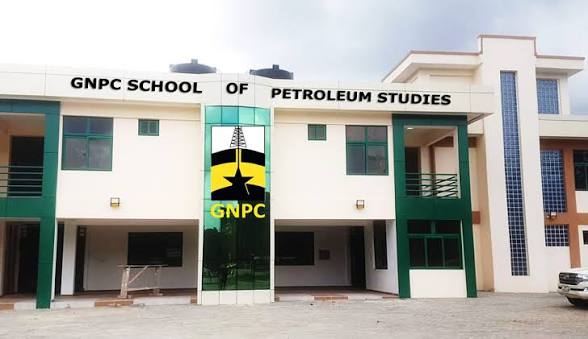
The discussions centre on plans to transform the GNPC School of Petroleum Studies into a dedicated college within the next two years, potentially expanding the institution’s capacity to train professionals and undertake research across petroleum and related disciplines.
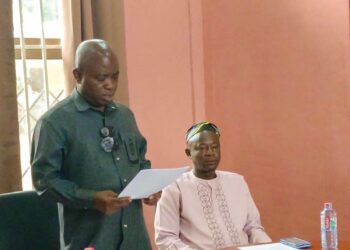
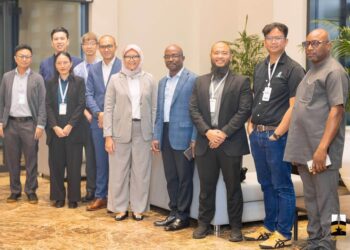
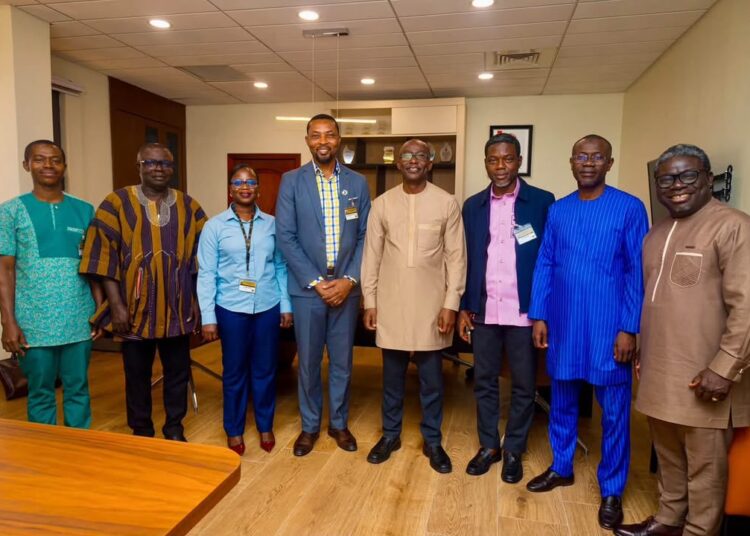
A delegation from UMaT, led by the Dean of the GNPC School of Petroleum Studies, Professor Eric Broni-Bediako, presented the proposal during a meeting with GNPC Chief Executive, Kwame Ntow Amoah, at the Corporation’s Petroleum House in Tema.
From Training School To Petroleum College
The proposed transition would move the institution beyond its current role as a specialised school towards a broader platform for petroleum education and research.
Established in 2020 with support from GNPC, the GNPC School of Petroleum Studies was created to develop expertise in petroleum, natural gas and related engineering and management disciplines.
Its proposed elevation to a college would therefore represent an expansion of an existing institutional partnership rather than the creation of an entirely new training arrangement.
For Ghana, the significance lies in whether the expanded institution can help close the technical and research gaps that accompany an increasingly complex petroleum industry.
As production from mature fields faces decline, while the country seeks new investment and develops its natural gas resources, the industry’s skills requirements are also changing.
Professionals are needed not only in traditional upstream operations, but also in reservoir management, gas development, petroleum economics, engineering, data analysis and energy transition-related disciplines.
The proposed college could provide a more structured platform for developing that expertise.
“The University is keen to build on the existing relationship and has identified further areas where collaboration with GNPC could support the University’s work,”
Professor Eric Broni-Bediako
Linking Education To Industry Needs
The proposed expansion also comes at a time when Ghana’s petroleum sector is under pressure to improve production, attract fresh investment and extract greater value from domestic resources.
That makes industry-linked education particularly relevant.
Universities can provide the research capacity and academic training required to develop technical expertise, while national oil companies such as GNPC have direct exposure to the operational and commercial challenges facing the industry.
A deeper partnership could allow those two capacities to be connected more deliberately.
Research programmes, for instance, could be aligned with practical challenges facing Ghana’s petroleum sector, while students and researchers could gain greater exposure to industry data, operational environments and emerging technologies.
The material provided does not specify the additional programmes, research areas or funding arrangements that would accompany the proposed transition to a college. UMaT is expected to formally outline its proposals to GNPC.
GNPC Calls For Formal Proposal
Mr Ntow Amoah welcomed UMaT’s interest in expanding the partnership but indicated that the next step should be a formal proposal setting out the areas where the Corporation’s support would be required.
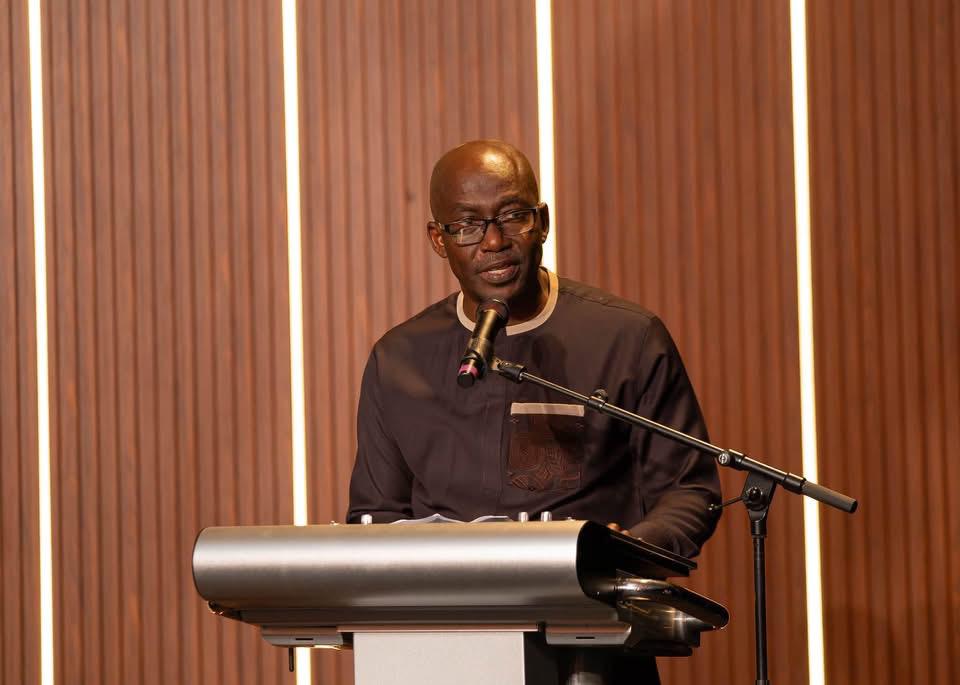
“We welcome the University’s interest in expanding the partnership and encourage the delegation to submit a formal proposal outlining the proposed areas of collaboration for consideration by the Corporation,”
Mr Ntow Amoah
That approach puts the proposed expansion at an early development stage. While the ambition to establish the GNPC College of Petroleum Studies has been communicated, its eventual scope and form will depend on the proposal and subsequent consideration by GNPC.
It also creates an opportunity for the partnership to move beyond institutional support towards clearly defined outcomes for Ghana’s petroleum industry.
Research Could Strengthen Local Capacity
The research component could be particularly important.
Ghana’s petroleum industry operates in a technically demanding environment, including mature producing fields, offshore developments, natural gas infrastructure and emerging exploration prospects.
Building stronger domestic research capability could help reduce reliance on external expertise for some areas of technical analysis while giving Ghanaian researchers greater opportunity to develop solutions based on local conditions.
For GNPC, stronger links with UMaT could also complement its role as a national oil company and its broader interest in developing Ghanaian technical expertise.
The partnership could potentially support research that connects academic work with issues affecting production, gas utilisation, petroleum engineering and resource development. However, the specific research priorities have not yet been announced.
Skills Development Remains Strategic
The proposed college would also extend GNPC’s existing investment in human capital.
The Corporation supported the establishment of the GNPC School of Petroleum Studies in 2020 as part of efforts to develop local expertise for the petroleum industry.
Expanding that institution would deepen an existing approach: investing in people and knowledge alongside physical petroleum infrastructure.
That is increasingly important as Ghana seeks to sustain an industry facing both production and investment pressures.
Technical capacity can influence how efficiently fields are developed, how mature assets are managed and how new opportunities are evaluated. It can also determine how effectively Ghanaian institutions participate in increasingly sophisticated petroleum and gas projects.
The longer-term value of the proposed college will therefore depend not simply on its institutional status, but on whether its programmes remain closely connected to the needs of the industry.
Partnership Signals Broader Industry Role
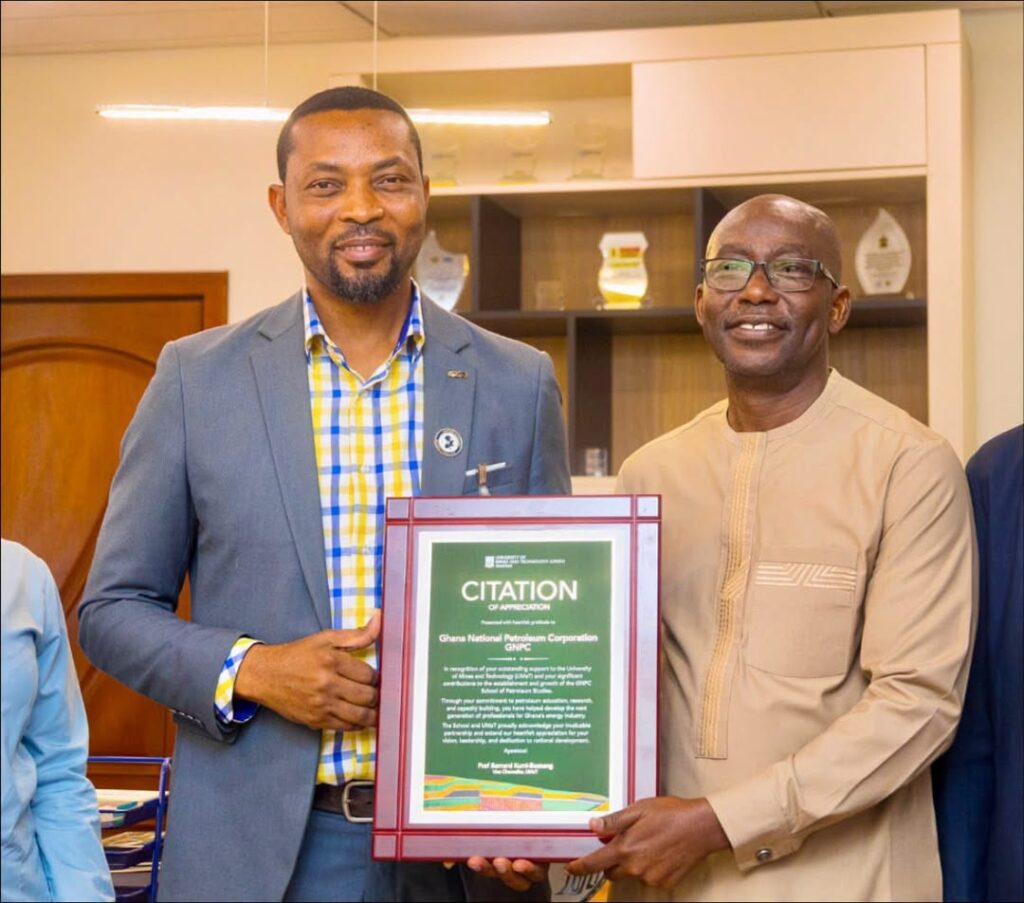
The engagement reinforces the relationship between GNPC and UMaT, with the University also presenting Mr Ntow Amoah with a citation on behalf of its Vice-Chancellor in recognition of his leadership and GNPC’s continued support.
More importantly, the discussions point to a broader question for Ghana’s petroleum sector: how effectively can the country convert its petroleum experience into a lasting domestic knowledge base?
The proposed transition from a school to a college provides one possible avenue.
If supported by industry-relevant research, practical training and sustained collaboration with petroleum-sector institutions, the expanded platform could contribute to developing the expertise required to manage Ghana’s remaining hydrocarbon resources and respond to new demands across the energy industry.
For now, however, the proposal remains at the consultation stage. The formal submission from UMaT will be important in determining what the expanded partnership would entail and how GNPC could support its implementation.
READ ALSO: Hunger Hits One in Five Children in Lebanon – UNICEF