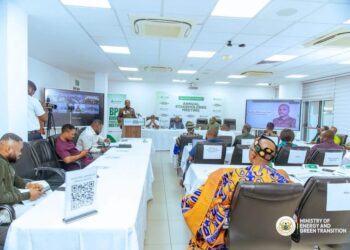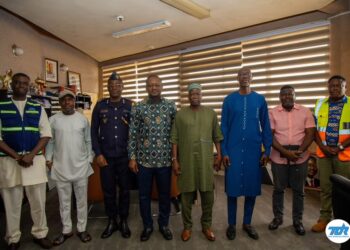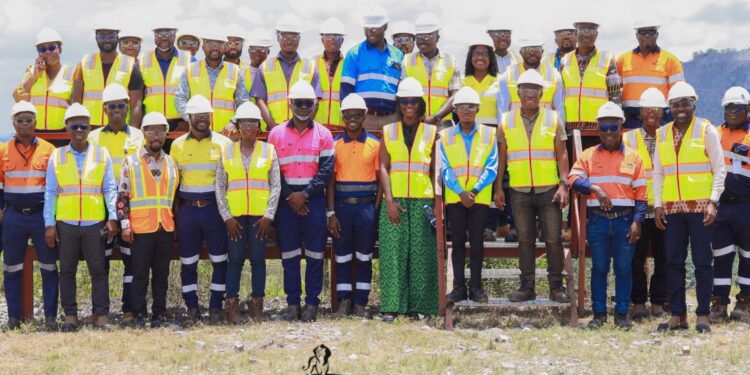
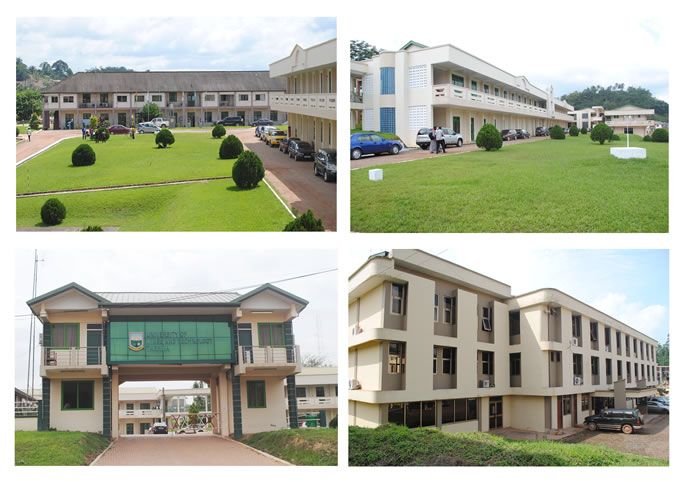
AngloGold Ashanti Iduapriem has officially partnered with the University of Mines and Technology (UMaT) through the commissioning of a state-of-the-art USD 750,000 Smart Systems Centre aimed at nurturing homegrown technical talent to accelerate the digital transformation of Ghana’s extractive sector.
This landmark initiative establishes a dedicated hub for cutting-edge technological development in Tarkwa, positioning local engineering students and academic researchers at the forefront of modern, data-driven mining operations across the West African sub-region.
“We look forward to strengthening our collaboration as we empower the next generation of innovators and advance the future of mining in Ghana. We are grateful to the University of Mines and Technology – UMaT; the Western Regional Coordinating Director, representing the Western Regional Minister; the Municipal Chief Executive for Tarkwa Nsuaem; the Minerals Commission; the Ghana Chamber of Mines; Nananom; our sister mining companies; industry stakeholders; the media; and everyone who joined us to commission this landmark facility.”
AngloGold Ashanti Iduapriem
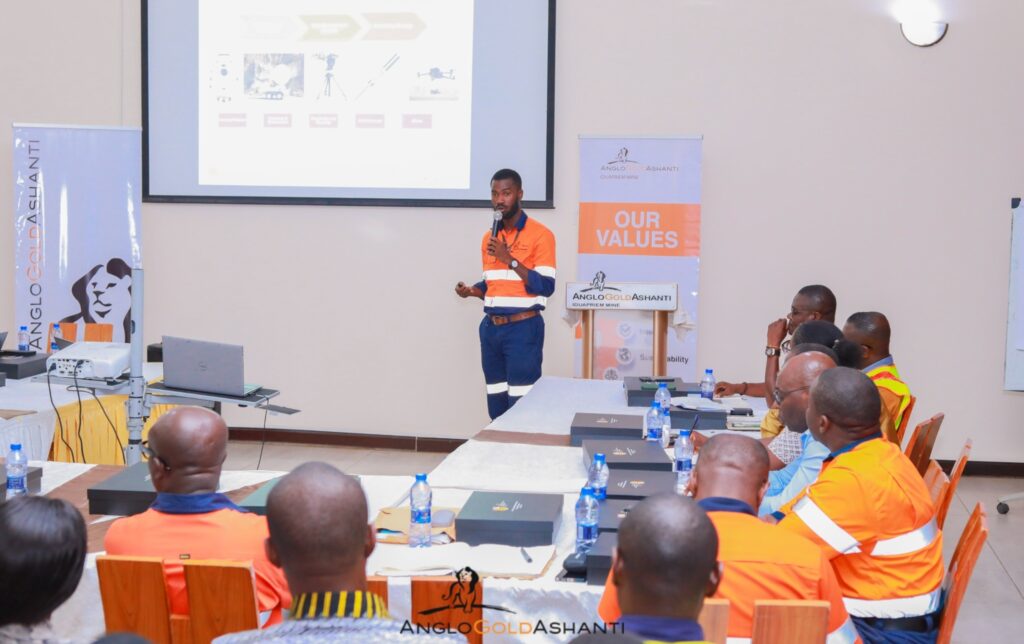
The multi-thousand-dollar facility equips the country’s premier mining university with advanced digital infrastructure, including high-performance computing clusters, artificial intelligence capabilities, machine learning frameworks, robotics laboratories, and complex data analytics modules.
Designed to bridge the historical gap between academic theory and practical industrial application, the Centre will empower researchers and scholars to build tailored technological solutions that directly address real-world operational bottlenecks facing the domestic mining landscape.
Catalyzing Innovation and Local Capacity Creation
Demonstrating its transformative potential prior to its formal opening, the Centre’s pilot phase yielded tangible technological breakthroughs created entirely by student talent.
Notably, a team of UMaT undergraduates designed and constructed two fully functional aerial drones utilizing locally fabricated materials, while a separate student team successfully developed a prototype sanitary pad vending machine.
These early milestones highlight the “remarkable outcomes that are possible when young people are equipped with the right tools, mentorship and opportunities,” establishing a clear blueprint for indigenous hardware and software commercialization within academic institutions.
Beyond immediate academic instruction, the facility directly advances Ghana’s legal framework for local content development, which demands higher indigenous participation across the mineral value chain.
By shifting the extractive sector away from over-reliance on costly imported software licenses and foreign technical consultants, the initiative guarantees that Ghanaian software engineers and roboticists can build, maintain, and adapt proprietary tools tailored to local geological conditions.
Revolutionizing Safety, Sustainability, and Operational Efficiency
The integration of high-performance analytics, artificial intelligence, and robotics into Ghana’s mining ecosystem promises to overhaul safety protocols and operational efficiency across both deep underground mines and expansive open-pit concessions.
Autonomous robotics and machine learning models can be deployed to monitor shaft stability, automate dangerous underground haulage tasks, and optimize explosive fragmentation during blasting, thereby drastically minimizing human exposure to hazardous workplace hazards.
Furthermore, predictive maintenance algorithms will allow mining engineers to anticipate mechanical equipment failures before catastrophic breakdowns occur, safeguarding high-value capital assets and maximizing daily output yields.

In an era where stringent Environmental, Social, and Governance (ESG) standards dictate capital investment for international mining conglomerates, the deployment of homegrown smart systems provides vital mechanisms for real-time environmental stewardship.
Tailings storage facilities, water catchment areas, and surrounding river basins can now be continuously monitored using Internet of Things (IoT) sensor networks and custom-built local drones to prevent acid mine drainage and catastrophic embankment failures.
Such localized technological solutions strengthen statutory regulatory oversight by bodies like the Minerals Commission, ensuring that mineral extraction aligns with sustainable development goals while significantly mitigating ecological degradation.
Positioned as West Africa’s Tech-Driven Mining Hub
This strategic alliance between AngloGold Ashanti Iduapriem and UMaT establishes a transformative model for industry-academia synergies across the African gold belt.
Broad consensus and institutional support from local traditional leadership (Nananom), the Tarkwa Nsuaem Municipal Assembly, and the Ghana Chamber of Mines reflect a unified national commitment to economic modernization and technological self-reliance.

As mineral processing grows increasingly complex due to declining ore grades in legacy deposits, data-driven optimization developed at the Smart Systems Centre will prove essential in maintaining Ghana’s competitive position as Africa’s top gold producer.
Ultimately, the establishment of the AngloGold Ashanti Iduapriem Smart Systems Centre signals a fundamental paradigm shift from traditional resource extraction toward an intellectual, technology-led mining economy.
By equipping young Ghanaian innovators with high-performance computing capabilities, robotics expertise, and advanced machine learning tools, the country is not merely extracting its mineral wealth, but actively forging the intellectual architecture required to lead global extractive innovation throughout the digital age.
READ ALSO: BBC Adapts Open Water Novel with Toheeb Jimoh Lead