The National Petroleum Authority (NPA) has moved to address longstanding concerns among Ghana’s petroleum tanker drivers, following strike actions linked to poor road conditions, inadequate parking facilities and other operational challenges across the downstream petroleum supply chain.
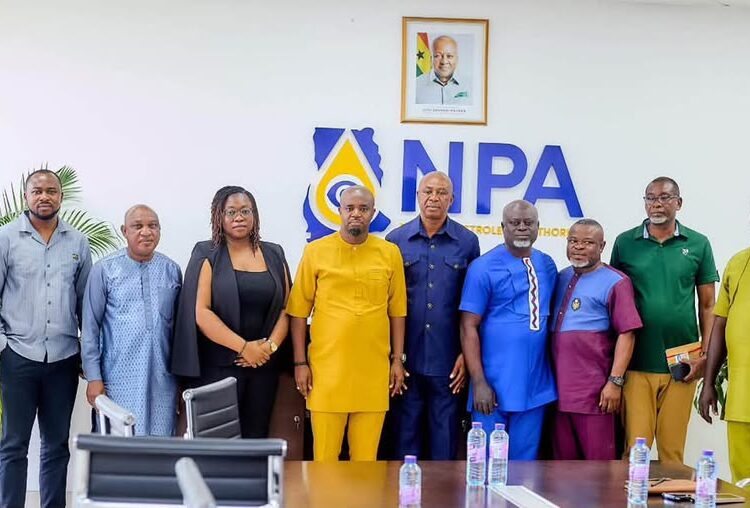
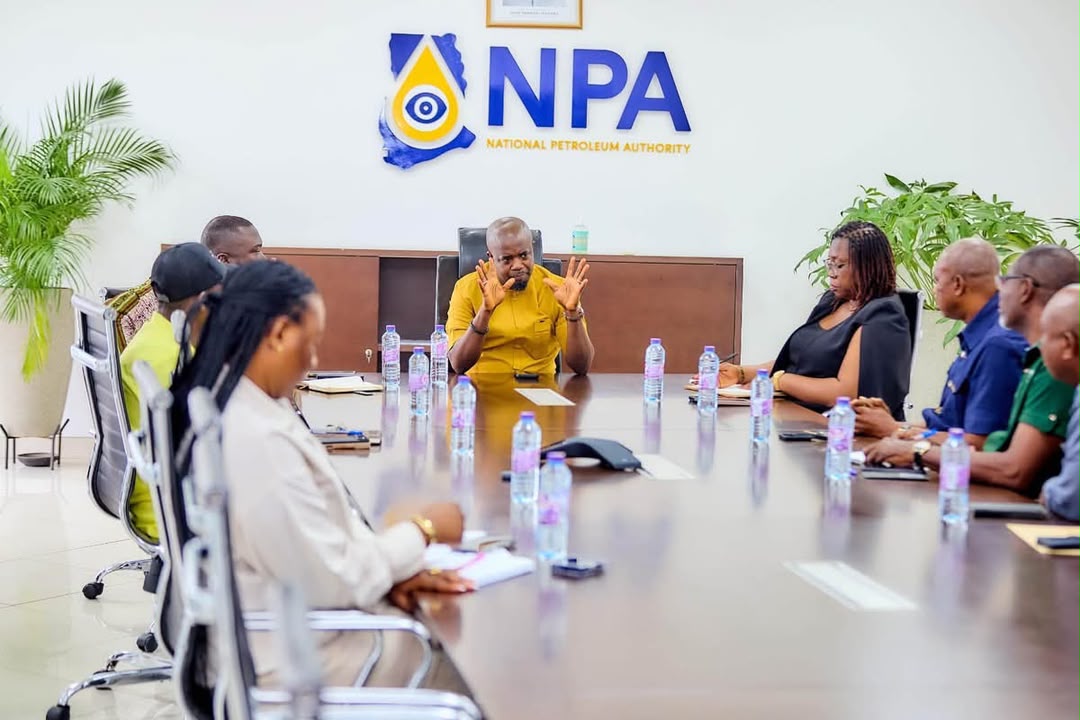
NPA Chief Executive Officer, Godwin Kudzo Tameklo, assured the Ghana National Petroleum Tankers Drivers Union (GNPTDU) that the Authority would work to resolve the issues raised during an emergency meeting with the drivers.
The engagement followed a series of industrial actions by the Union, which have since been suspended. At the centre of the dispute are the deteriorating Tema Oil Refinery-Kpone Road and conditions at the Bulk Oil Storage and Transportation (BOST) yard used by tanker operators, alongside concerns over driver allowances and oil-loss controls.
Road Conditions Expose Supply-Chain Weaknesses
The concerns raised by the tanker drivers have implications beyond their working conditions. Tanker operators provide a critical link between petroleum storage facilities and the wider downstream market, meaning persistent logistical problems can affect the efficiency and reliability of fuel distribution.
The condition of the TOR-Kpone Road is particularly significant because the corridor serves petroleum-sector operations around the refinery and industrial area.
For tanker drivers, poor road conditions can increase vehicle wear, maintenance costs and journey times. They can also create additional safety risks for drivers transporting petroleum products, where accidents can have consequences extending beyond the operators involved.
The drivers’ concerns therefore highlight an infrastructure gap within a sector whose performance depends heavily on road-based transportation.
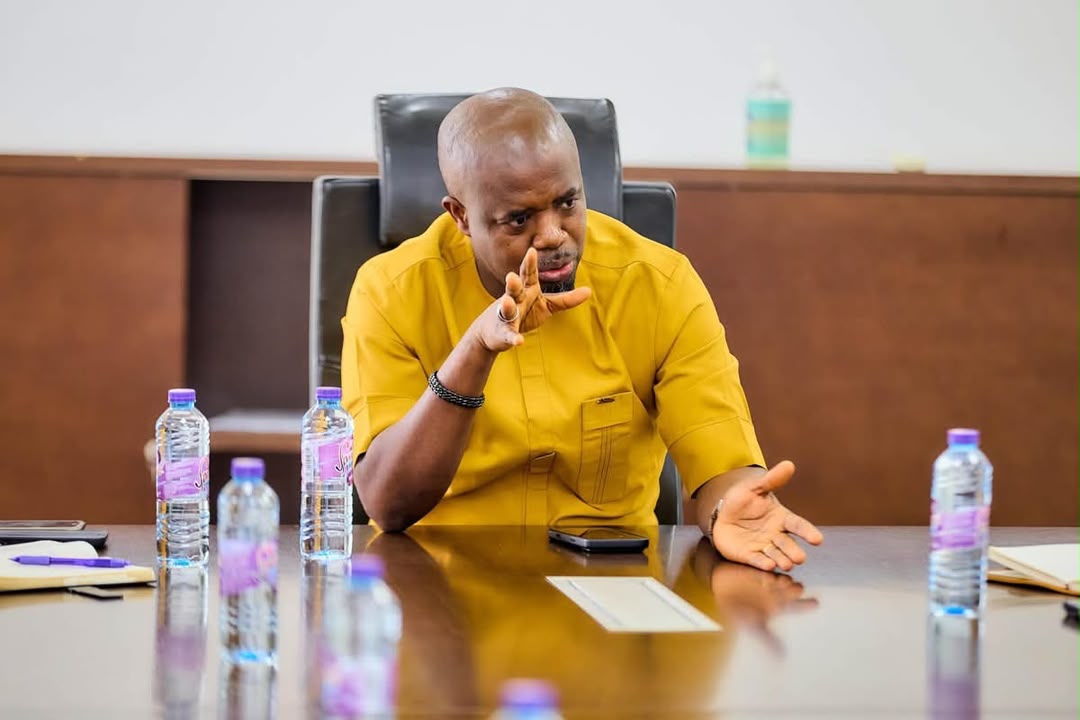
Addressing the meeting, Mr Tameklo said the NPA would investigate the concerns and work towards practical solutions.
“The Authority would do its best to get to the bottom of the issues raised and find solutions to them.”
The commitment places responsibility on the downstream regulator to move beyond engagement and coordinate with the relevant institutions to address problems that may fall outside the NPA’s direct operational control.
BOST Yard Adds Pressure
The condition of the BOST yard where tanker drivers park their trucks was another major issue raised during the meeting.
For an industry dependent on the movement of petroleum products, adequate truck parking is not simply a welfare issue. It forms part of the logistics infrastructure required to manage the movement of large volumes of fuel safely.
Poor parking conditions can create congestion and increase the amount of time trucks spend waiting to load or discharge products. For drivers operating on tight schedules, this can translate into longer working hours and additional operating pressures.
The combination of road deterioration and inadequate parking facilities therefore points to a broader need to improve the physical infrastructure supporting Ghana’s downstream petroleum distribution system.
Long Hours Raise Driver Welfare Questions
The drivers also raised concerns over allowances for those who spend long periods transporting petroleum products, particularly when difficult road conditions extend journey times.

The issue touches on the human component of Ghana’s fuel-distribution system. Tanker driving involves long-distance travel, heavy vehicles and the transportation of combustible products, making driver fatigue and working conditions relevant to both labour welfare and operational safety.
The Union’s concerns over allowances suggest that the financial arrangements surrounding difficult operating conditions may need to be reviewed alongside infrastructure challenges.
Oil-Loss Controls Remain A Sensitive Issue
Oil-loss control was also among the matters discussed.
Losses occurring during the transportation and handling of petroleum products can create financial consequences for operators and companies across the supply chain. Effective monitoring is therefore important for protecting product volumes and maintaining confidence among industry participants.
However, measures designed to control losses also need to take account of the practical conditions under which tanker drivers operate.
A system that imposes additional operational responsibilities without adequately addressing the conditions facing drivers could create tension between regulatory objectives and the realities of petroleum transportation.
The emergency meeting provides an opportunity for the NPA and the Union to examine those issues together rather than treating driver welfare, operational efficiency and product-loss management as separate concerns.
Union Acknowledges Communication Gap
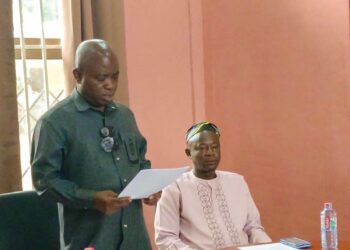
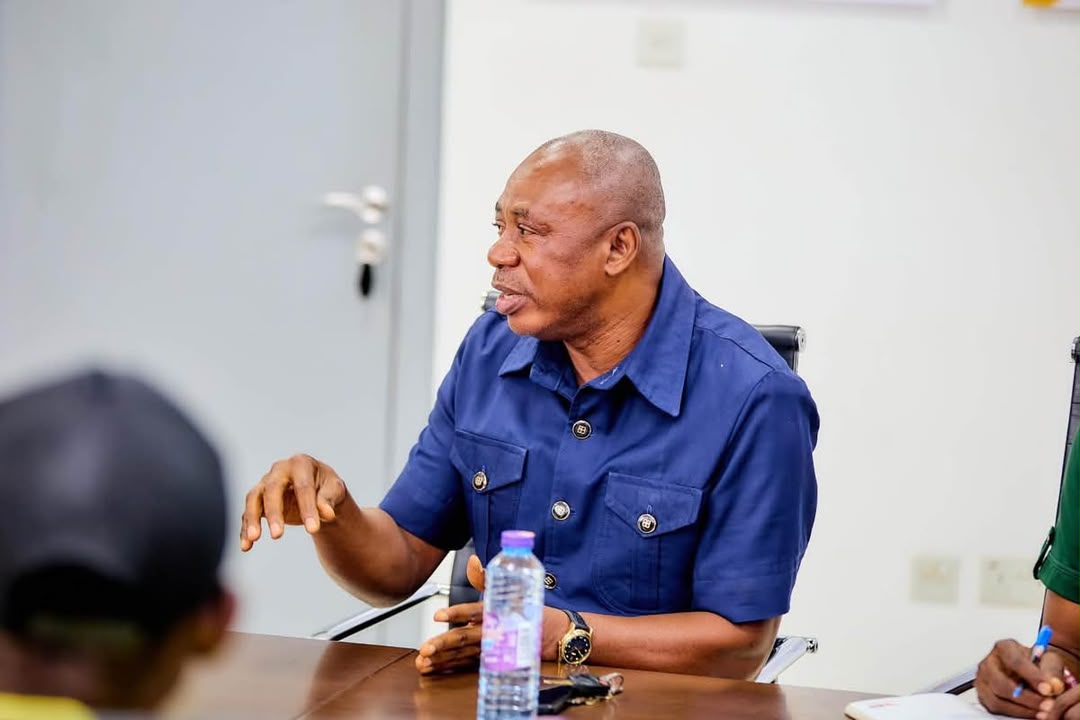
GNPTDU National Chairman, George Nyaunu, apologised on behalf of the Union for failing to notify the NPA before embarking on the strike action.

He thanked the NPA Chief Executive for agreeing to meet the drivers and listen to their concerns.
The admission could help create room for a more structured engagement between the regulator and tanker operators, particularly if future disputes are addressed before they escalate into disruptions.
For the downstream petroleum sector, maintaining open communication is important because industrial action by tanker drivers can quickly become a distribution issue if significant numbers of trucks are withdrawn from operations.
The latest suspension of the strikes provides an opportunity for the parties to address the underlying concerns before they develop into another disruption to fuel transportation.
Beyond Promises To Practical Action
The immediate challenge for the NPA is translating the assurances given to the drivers into measurable interventions.
Some of the concerns raised, particularly those relating to the TOR-Kpone Road and the BOST yard, may require coordination with other state institutions and infrastructure managers.

The NPA may therefore need to use its regulatory position to bring the relevant stakeholders together and establish clear responsibilities and timelines.
The meeting also exposes a broader reality within Ghana’s downstream petroleum sector: fuel security depends not only on having sufficient petroleum products but also on the infrastructure and workforce required to move those products efficiently.
Roads, truck parks, loading facilities, safety systems and driver welfare all form part of the same distribution chain.
If weaknesses in any of these areas persist, they can raise operating costs and create avoidable risks for the wider petroleum market.
For the GNPTDU, the suspension of industrial action now shifts attention to whether the issues raised will receive concrete follow-up.
For the NPA, the engagement provides an opportunity to strengthen relations with a workforce whose daily operations are closely connected to the reliability of Ghana’s fuel distribution system.