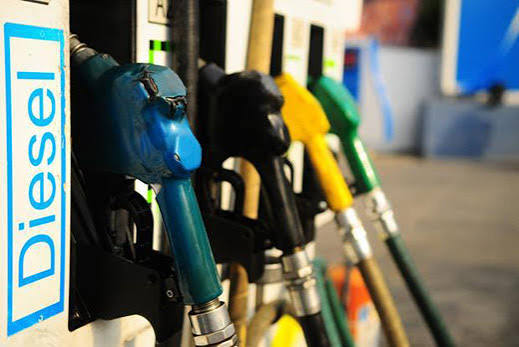
Government is set to maintain its GH¢2-per-litre intervention on diesel for October and November, but the support will be delivered through a different mechanism as rising international petroleum prices threaten to push pump prices higher.
Under the revised arrangement, the reduction in statutory margins will fall from GH¢2 to GH¢1 per litre, while a temporary suspension of the GH¢1-per-litre Energy Sector Shortfall and Debt Repayment Levy (D-Levy) will provide the remaining relief.
The policy effectively preserves the total GH¢2-per-litre support for diesel users, while changing how the intervention is financed.
Diesel Price Pressure Drives Policy Shift
The timing of the decision is significant because the October pricing window is expected to bring a sharp increase in diesel prices.
The Chamber of Petroleum Consumers (COPEC) has projected a 22.91% increase in diesel prices from October 1, alongside a 5.21% rise in petrol prices.

COPEC’s projections put diesel at GH¢22.42 per litre, up from GH¢18.24, while petrol is expected to rise from GH¢16.90 to GH¢17.78 per litre.
The organisation attributed the expected increases largely to higher international petroleum prices and a marginal depreciation of the Ghana cedi against the US dollar.
The government’s decision therefore represents an attempt to limit the immediate transmission of the international price shock to diesel consumers, particularly at a time when higher fuel costs are already feeding into transport and operating expenses.
Intervention Keeps GH¢2 Relief In Place
The revised structure means diesel consumers will not lose the existing GH¢2-per-litre intervention during the two-month period.
Instead, the relief will be split between two measures.
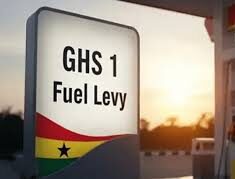
The first GH¢1 will continue to come from a reduction in statutory margins, while the second GH¢1 will result from suspending the D-Levy.
The change matters because statutory margin reductions and a levy suspension have different implications for the petroleum pricing structure and public revenue.
“Motorists will therefore continue to benefit from a total GH¢2-per-litre intervention on diesel – GH¢1 through reduced statutory margins and another GH¢1 through the suspension of the D-Levy.”
The arrangement is also explicitly temporary, covering October and November. This suggests that the immediate objective is to cushion consumers through a period of elevated prices rather than permanently restructure the petroleum pricing system.
Fuel Costs Already Reaching Transport Fares
The pressure on diesel prices is not confined to motorists and commercial vehicle operators.
Higher fuel costs feed directly into the operating expenses of public transport operators, freight companies and businesses that rely heavily on road transportation.
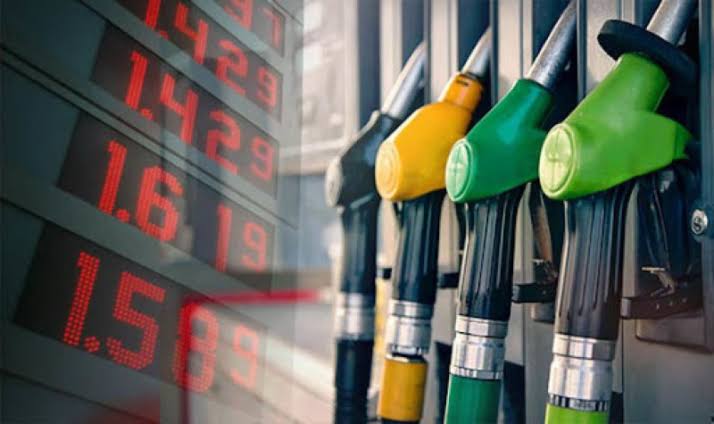
Public transport fares have already been increased by 8%, following an agreement between the government and transport operators after weeks of negotiations.
The timing creates a direct link between petroleum pricing and household costs. When diesel becomes substantially more expensive, transport operators face higher running costs, while businesses face increased logistics expenses. Those costs can eventually be reflected in fares and the prices of goods and services.
The GH¢2 intervention therefore provides some cushioning against the full impact of the projected increase, although it does not eliminate the underlying price pressure.
Levy Suspension Changes Fiscal Equation
The more consequential aspect of the decision is the temporary suspension of the GH¢1 D-Levy.
The Energy Sector Shortfall and Debt Repayment Levy forms part of the mechanisms used to support the financing requirements of Ghana’s energy sector.
Suspending it means government will temporarily forgo the associated revenue on diesel sales in order to reduce the amount paid at the pump.
That creates a trade-off.
Consumers receive immediate relief at a time of rising fuel prices, but government must manage the revenue implications of suspending a levy linked to the energy sector’s financial obligations.
The decision consequently shifts part of the burden of the price intervention from petroleum consumers towards the public finances and the wider energy-sector financing framework.
For October and November, the government appears to be prioritising short-term price cushioning while retaining the overall GH¢2 support level.
International Prices Remain The Bigger Variable
The intervention, however, cannot fully insulate Ghana’s fuel market from international conditions.
Ghana remains exposed to movements in global petroleum prices and the exchange rate because the domestic pricing system ultimately reflects the cost of acquiring petroleum products in international markets.
COPEC’s projection illustrates the scale of the pressure expected in the October window. Even with the GH¢2 intervention, the projected diesel price would rise substantially from its previous level.
This means the policy should be viewed as a shock absorber rather than a mechanism capable of reversing the underlying market movement.
If international petroleum prices remain elevated or the cedi comes under further pressure, additional increases could emerge once the temporary measures expire.
Two-Month Window Tests Policy Sustainability
The October-November period will therefore provide an important test of the government’s approach to fuel-price management.
Maintaining the GH¢2 intervention could moderate the immediate impact on diesel users, but extending similar measures indefinitely could create fiscal and energy-sector financing pressures.
The temporary suspension of the D-Levy also raises the question of what happens after November.
If global petroleum prices remain high, government could face pressure to extend the intervention, restore the levy and allow the full market price to pass through, or identify another mechanism for cushioning consumers.
Each option carries different implications for consumers, government revenue and the financial position of the energy sector.
For now, the government has chosen continuity in the level of relief while altering its composition.
The policy therefore provides diesel users with a two-month buffer against the expected October price shock, but the underlying challenge remains unchanged: Ghana’s fuel market remains vulnerable to international petroleum prices and exchange-rate movements.
The temporary GH¢1 D-Levy suspension may ease the immediate pressure, but longer-term fuel-price stability will depend on developments in global markets, the cedi and the government’s ability to balance consumer protection with the financing needs of the energy sector.
READ ALSO: Gideon Boako Challenges GoldBod Reserve Support Claims