Civil Society Organisations (CSOs) operating within Ghana’s marine, fisheries, and coastal conservation space have formally petitioned the government to execute an immediate, comprehensive review of offshore gold reconnaissance operations taking place along the nation’s western continental shelf.
The coalition’s joint action stems from growing disquiet regarding the severe ecological, legal, and socio-economic risks these marine exploratory activities pose to fragile oceanic ecosystems, national food security, and millions of coastal inhabitants.
“We respectfully call for government’s urgent clarification and leadership while the project remains at a stage where these questions can meaningfully influence its future direction. The same shallow coastal waters should not be subjected to a potentially competing extractive use without first establishing, transparently and scientifically, the consequences for fisheries, biodiversity and the coastal communities that already depend on them.”
Civil Society Organisations (CSOs)
While on their shared grievances, the environmental and fisheries civil society coalition directed an official open letter to President John Dramani Mahama, emphasizing that while they do not stand opposed to legitimate resource development or lawful foreign direct investment, marine resource utilization must unconditionally safeguard local biodiversity and artisanal livelihoods.
At the heart of the petitioners’ alert is commercial disclosure from GoldCoast Resource Corp., which reveals that the firm currently holds 10 offshore reconnaissance concessions spanning roughly 10,000 square kilometres along a 300-kilometre stretch of coastline between Half-Assini and Winneba, extending up to 33 kilometres offshore and visibly overlapping Ghana’s legally protected Inshore Exclusion Zone (IEZ).
Legal Ambiguities and Regulatory Thresholds
A central pillar of the CSOs’ submission focuses on severe legal contradictions within the country’s existing mineral frameworks regarding marine exploration practices.
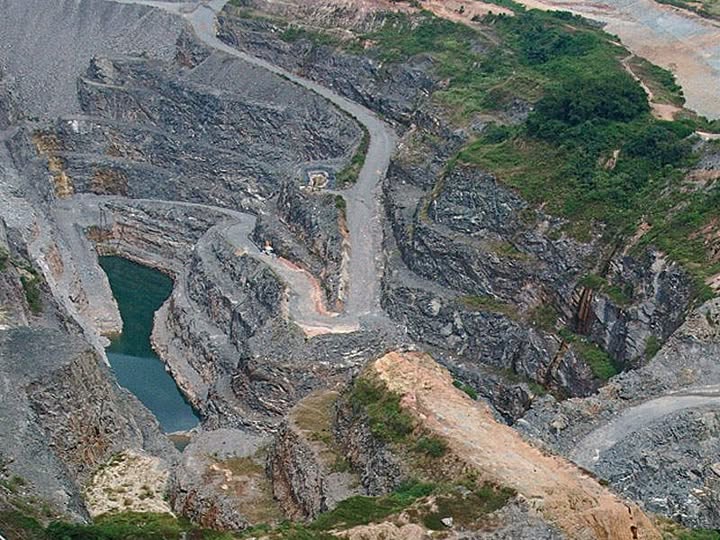
Although GoldCoast Resource Corp. has already gathered roughly 50,000 line-kilometres of airborne magnetic datasets focusing heavily on a 500-square-kilometre priority zone around the Ankobra River mouth its declared forward plan includes marine bathymetric and seismic testing, vibro-core drilling, and bulk seabed sampling.
The petitioners argue that invoking intrusive techniques such as seabed excavation, vibro-coring, and bulk dredging fundamentally exceeds the lawful scope of a standard reconnaissance licence.
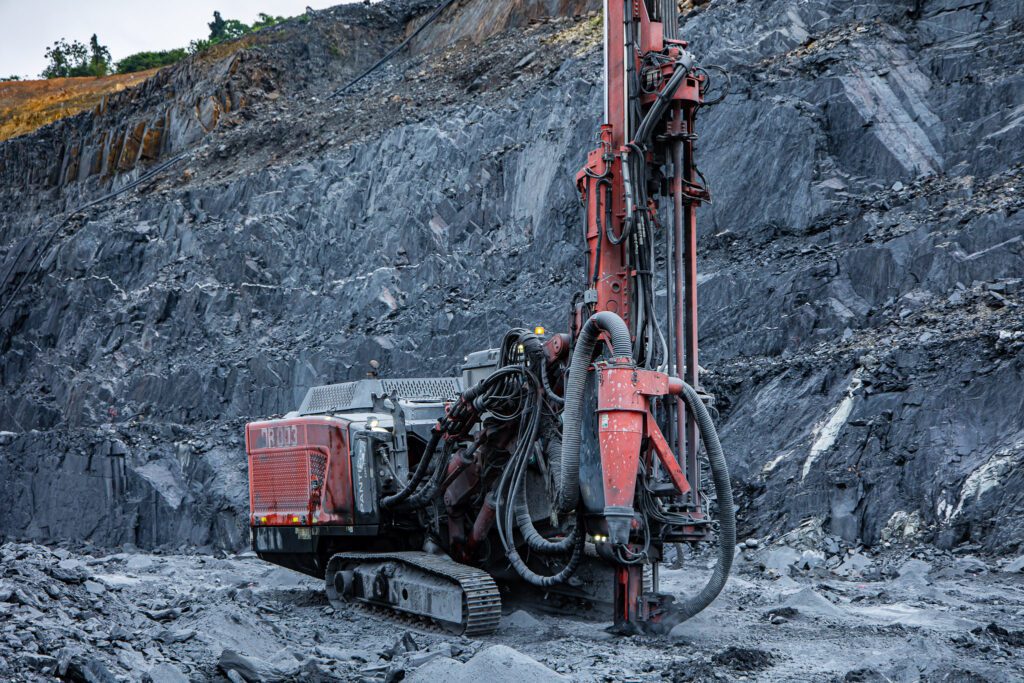
Specifically, the coalition cites Section 32(3) of the Minerals and Mining Act, 2006 (Act 703), as amended, which explicitly restricts holders of reconnaissance licences from engaging in drilling or excavation operations.
Furthermore, they highlight Section 99(6) of Act 703, which explicitly establishes a criminal offense for anyone using floating platforms, heavy vessels, or specialized dredging equipment to retrieve minerals within Ghana’s natural water systems, territorial sea, continental shelf, and Exclusive Economic Zone (EEZ).
The civil society groups note that because the concession holder explicitly acknowledges that no formal mineral reserves or economic viability have yet been declared, the Ministry of Lands and Natural Resources and the Minerals Commission possess a vital, timely window to clarify these statutory boundaries before irreversible environmental harm or legal precedent occurs.
Protecting Artisanal Fisheries and Marine Conservation
The petitioners insist that permitting heavy industrial exploration along shallow inshore waters directly undermines national efforts to reverse severe fish stock depletion and rehabilitate marine habitats.
Under the Fisheries and Aquaculture Act, 2025 (Act 1146), Ghana’s Inshore Exclusion Zone (IEZ) reserves the area extending from the baseline out to 12 nautical miles strictly for small-scale, artisanal canoes to protect vital spawning grounds.
Overlaying heavy mineral reconnaissance on top of this highly sensitive artisanal fishing corridor threatens to destroy fragile benthic habitats, disrupt nursery grounds, and create spatial conflicts between industrial mining vessels and local fishing fleets.
Data cited from the Marine Fisheries Management Plan 2022–2026 underscores the immense social stakes involved, indicating that the fisheries subsector sustains approximately 10 per cent of Ghana’s entire population through direct fishing, fish processing, boat construction, and associated value chains.
Additionally, figures from the 2022 Canoe Frame Survey document over 110,351 marine artisanal fishers operating 12,181 registered canoes nationwide.
This vast small-scale fleet remains the primary engine of local marine production; as highlighted in the Fisheries Commission’s 2025 Annual Performance Report, artisanal fishers landed 282,658.29 metric tonnes of fish, representing an overwhelming 63.68 per cent of total national fish landings.
Urgency for Transparent Governance and Cadastral Integrity
Beyond local economic impacts, the coalition points out that uncoordinated offshore mining activities jeopardize broader marine spatial planning and ongoing conservation achievements.
Ghana has made commendable strides in marine governance, including the establishment of its flagship 703.86-square-kilometre Greater Cape Three Points Marine Protected Area, designed to preserve critically endangered species and oceanic biodiversity.
Introducing seabed disturbance, seismic shockwaves, and sediment plumes within these identical coastal waters threatens to degrade adjacent marine reserves and derail international sustainability commitments.

To prevent long-term ecological degradation and social conflict, the CSOs are demanding that the government urgently publish all official cadastral coordinates, work plans, and licence instruments associated with the 10 offshore blocks.
Establishing absolute public transparency will allow independent marine scientists, regulatory bodies, and affected coastal communities to verify exact boundary overlaps with the IEZ and protected marine reserves.
By demanding a rigorous, evidence-based review before any further offshore authorisations are issued, civil society is urging the state to uphold environmental rule of law and prioritize long-term coastal resilience over premature extractive ventures.
READ ALSO: AfDB Rating Initiative Puts Ghana’s Borrowing Costs in Focus