
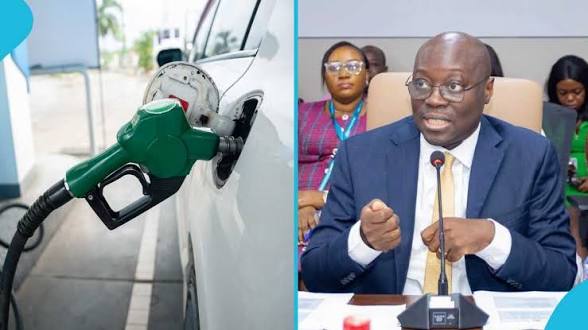
Government has introduced a temporary package of measures to limit the increase in diesel prices expected at the start of the October pricing window, with the National Petroleum Authority (NPA) indicating that pump prices should remain below GH¢20 per litre.
The intervention follows an emergency meeting between government and key stakeholders in the petroleum downstream sector as rising international fuel prices threatened to translate into a sharper increase for Ghanaian consumers.
At the centre of the response is an agreement by Sentuo Oil Refinery and Tema Oil Refinery (TOR) to hold their selling prices to Bulk Distribution Companies (BDCs) at the levels applied during the previous pricing window.
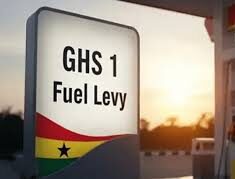
Government has also suspended the GH¢1 Energy Sector Levy, commonly referred to as the D-Levy, on diesel for October.
Refinery Pricing Becomes Key Buffer
The decision to keep refinery selling prices unchanged is significant because movements in international petroleum prices normally feed through the domestic pricing chain.
By preventing an immediate increase in the prices charged to BDCs, government is seeking to absorb part of the external shock before it reaches consumers.
NPA Chief Executive Officer Godwin Edudzi Tamakloe said the arrangement with the two refineries formed a central part of the intervention.
“Basically, what we’ve agreed today is that Sentuo and TOR will maintain the price they sell to the BDCs at the last pricing window,”
The measure does not remove the underlying pressure in the international market. Instead, it creates a temporary buffer within the domestic supply chain.
That distinction matters because the intervention is tied specifically to the October pricing window. It does not necessarily mean the external cost pressures have disappeared or that similar measures can be maintained indefinitely.
Diesel Pressure Contained For October
Before the intervention, government projections indicated that diesel could have approached GH¢22 per litre during the first pricing window of October.
Mr Tamakloe said the measures agreed with the refineries, together with the suspension of the levy, would bring the expected pump price below that level.
“Now, through government’s intervention, we’ll be doing below GH¢20. Government feels that it needs to intervene,”
NPA Chief Executive Officer Godwin Edudzi Tamakloe
The suspension of the GH¢1 levy provides an additional reduction in the cost burden on diesel consumers.
The Finance Minister has agreed to the temporary suspension for October, although the levy could be restored depending on how market conditions develop.
Intervention Offers Relief But Not Structural Solution
The measures provide immediate protection against a sharper rise in diesel prices, but their temporary nature highlights the difficulty of managing fuel-price volatility through fiscal and pricing interventions.
Ghana’s domestic petroleum market remains exposed to movements in international refined-product prices and other external cost pressures.

When those pressures rise sharply, government faces a difficult balance between protecting consumers and preserving revenues needed to support the energy sector.
Maintaining refinery prices also places greater importance on the commercial sustainability of the participating refineries and the broader petroleum value chain.
If international prices remain elevated beyond October, similar interventions could become more expensive or difficult to sustain.
The decision therefore functions primarily as a short-term shock absorber rather than a permanent solution to fuel-price volatility.
Downstream Market Faces External Pressure
The emergency meeting reflects the extent to which international market conditions can quickly affect Ghana’s domestic petroleum market.
Diesel prices have wider economic implications because the fuel is heavily used across commercial transport, logistics, agriculture, construction and other productive activities.
A substantial increase can therefore move beyond the filling station, raising the operating costs of businesses and transport operators and potentially feeding into prices for goods and services.
Containing the October increase could consequently limit some of the immediate cost pressures facing consumers and businesses.
However, the eventual price outlook will remain dependent on international petroleum market conditions and the extent to which domestic measures can continue to cushion consumers.
October Window Tests Government’s Buffer Strategy
The intervention places the first October pricing window at the centre of government’s immediate effort to manage fuel-price pressures.
With Sentuo and TOR holding their BDC selling prices and the GH¢1 diesel levy suspended, the government has created a defined cushion against the projected increase.
But the policy also leaves an important question for subsequent pricing windows: whether international market pressures ease sufficiently for domestic prices to stabilise without continued government intervention.
For now, the government’s objective is clear, to prevent the projected GH¢22 diesel price from reaching consumers and keep the October price below GH¢20.
The effectiveness of the intervention, however, will ultimately depend on how long the external price pressure lasts and whether the domestic petroleum market can absorb future increases without repeated fiscal or commercial support.
READ MORE: US Accuses UNHRC Of Undermining Immigration Enforcement