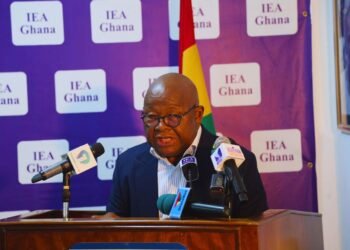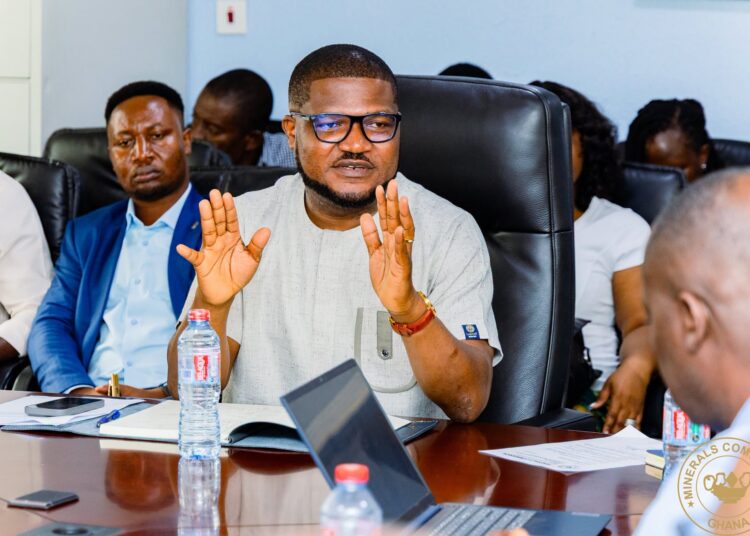
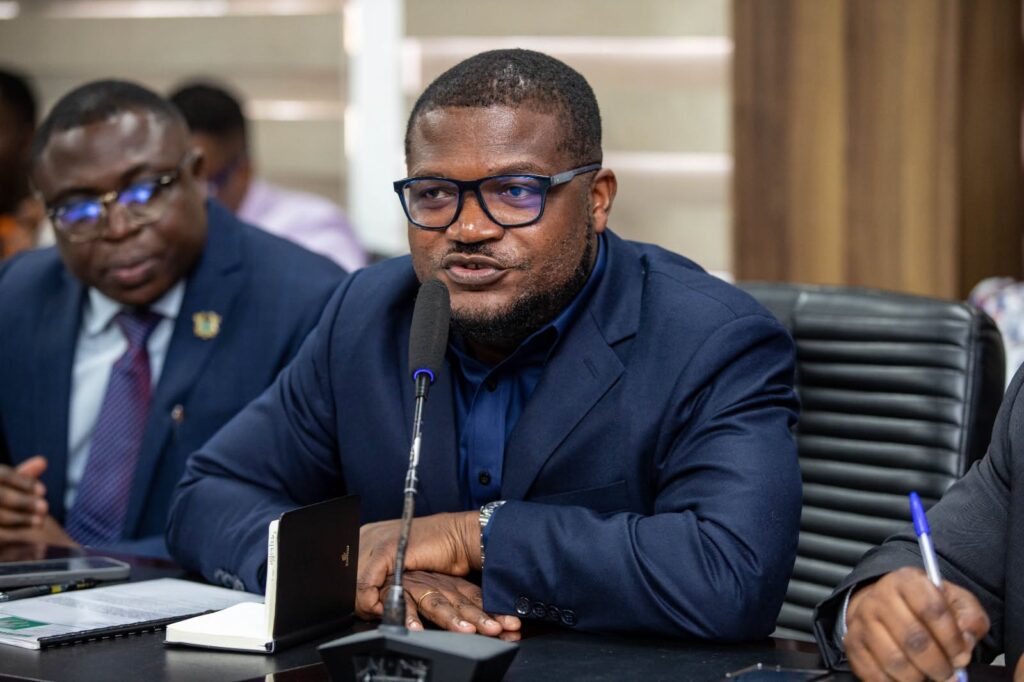
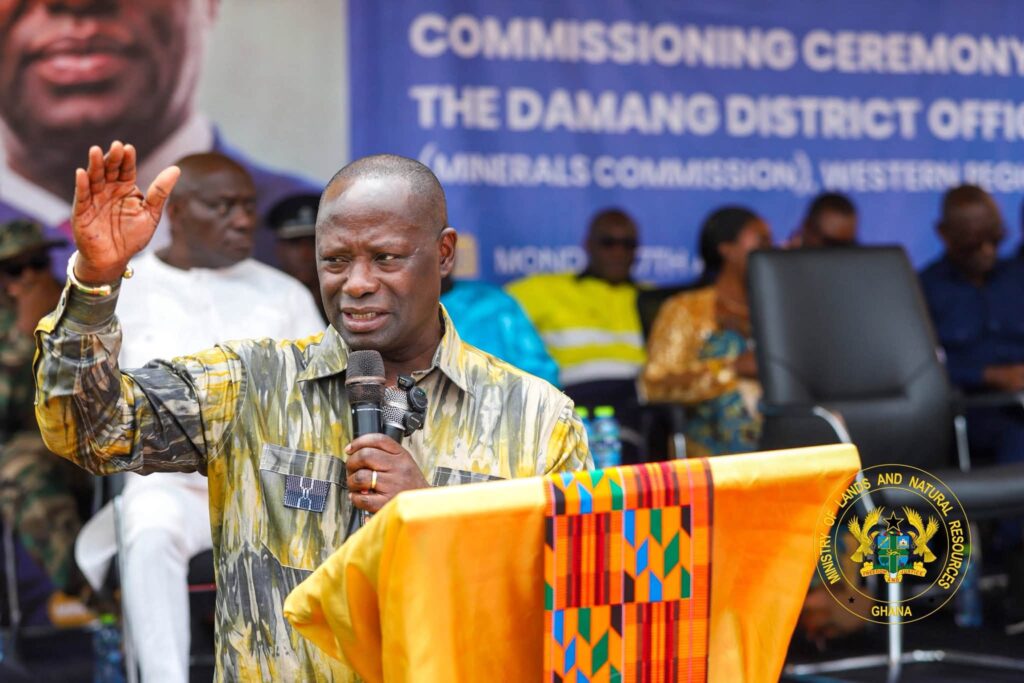
The Chief Executive Officer of the Minerals Commission, Mr. Tandoh, has urged Ghanaian contract miners to establish a formal association to consolidate their operations and build capacity to manage large-scale mining operations.
Speaking at a stakeholder engagement, he highlighted that while holders of traditional mining leases operate through an established Chamber, third-party contractors require a structured body to safeguard their interests and drive sustainable industry growth.
“He encouraged local contractors to form strategic joint ventures and strategic alliances to bid for major contracts while upholding responsible mining standards. “We want to see collaboration, realistic rates and numbers, and motivation for Ghanaian workers without them being short-changed,” he said.”
Minerals Commission,
Expanding on his opening remarks, Mr. Tandoh noted that establishing a unified entity for contract miners, paired with strategic institutional partnerships, would provide local entities with stronger bargaining leverage and a unified voice across the industry.
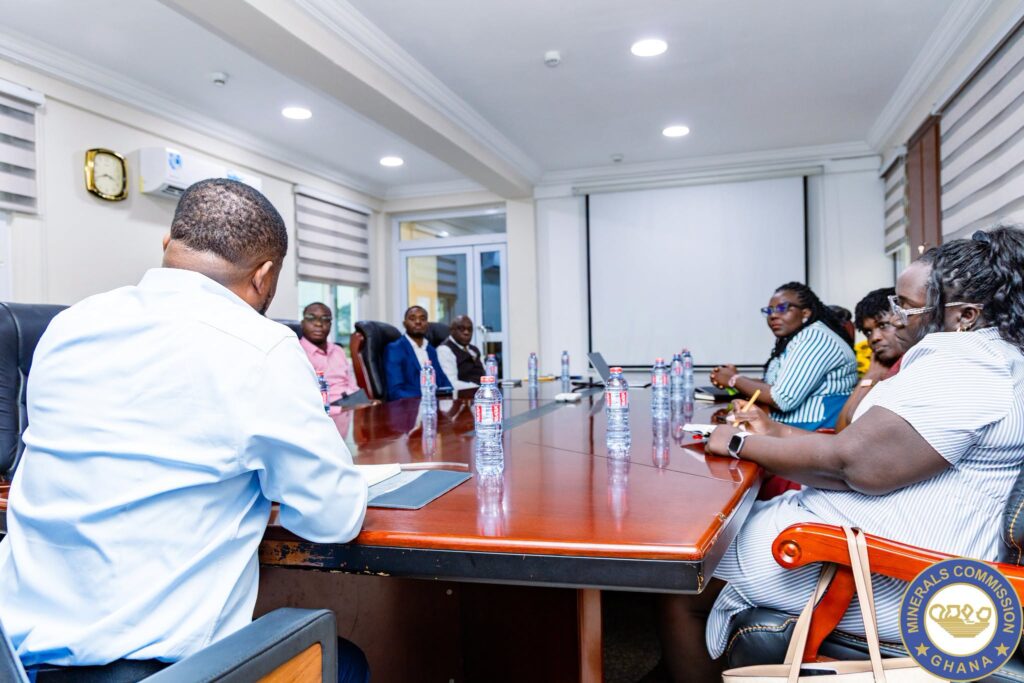
He identified the lack of standardized compensation frameworks across Ghana’s mining ecosystem as a critical challenge the Commission aims to rectify.
To build sustainable Ghanaian firms, Mr. Tandoh advised contractors to retain lawyers, human resource practitioners, mining engineers, and financial experts to ensure robust corporate governance, proper localization, and successful contract negotiations.
Addressing operational cost pressures, he disclosed that discussions are ongoing with the Ministry of Finance and the Ghana Revenue Authority to evaluate the impact of import tariffs and machinery taxes.
He expressed optimism that these engagements will deliver positive fiscal outcomes for local companies and mineworkers alike.
Strategic Imperative for Local Contracting Partnerships
The drive to formalize contract mining through joint ventures addresses long-standing structural imbalances within Ghana’s extractive sector.
Historically, local service providers have operated as fragmented units, leaving them unable to secure large-scale operational contracts or negotiate competitive commercial rates against multinational corporations.
By pooling technological tools, engineering talent, and financial capital, indigenous joint ventures can bridge the operational capacity gap and move beyond sub-contracting roles into direct site operators.
Furthermore, a dedicated chamber for contract miners creates a structured vehicle for statutory compliance and responsible environmental management. When local sub-contractors operate without industry representation, enforcement of labor safety standards and fair wage compliance becomes erratic.
Institutionalizing local participation through professional associations ensures that Ghanaian firms can enforce standardized operational frameworks, protect local labor rights, and secure equitable returns from the national mineral wealth.
Addressing Tariff Pressures and Financial Sustainability
High import duties on heavy machinery and specialized mining technology remain a major entry barrier for domestic contractors trying to scale operations.
The ongoing consultation between the Minerals Commission, the Ministry of Finance, and the Ghana Revenue Authority is aimed at creating fiscal reliefs that incentivize capital investments in local mining services.
“We want to see collaboration, realistic rates and numbers,” Mr. Tandoh emphasized, reassuring players that the regulatory framework will align fiscal measures with domestic growth objectives.
Reducing tax burdens on essential machinery enables local entities to upgrade equipment, adhere to safety standards, and compete with foreign service providers on equal technical terms.
In parallel, standardizing industry remuneration protects local skilled labor from exploitation while improving overall productivity across concessions.
Without benchmarked salary structures, local contractors face operational volatility due to high labor turnover and wage disparity.
Establishing formal advisory networks with human resource practitioners and legal professionals ensures that labor contracts align with global best practices.
Mr. Tandoh noted that the Commission remains focused on encouraging these professional alliances to “lead negotiations on behalf of the contract mining workforce.”
Fostering Sound Governance and Long-Term Value Retention
Beyond operational efficiency, the call for formal associations enforces sound corporate governance among indigenous contractors, securing long-term investor confidence.
The Minerals Commission views structured local firms as essential partners in executing sustainability mandates and mitigating the environmental impacts associated with uncoordinated mining activities.

By integrating legal, environmental, and engineering expertise into corporate governance structures, Ghanaian miners can meet global environmental, social, and governance (ESG) standards, positioning them for sustainable expansion across the West African sub-region.
Ultimately, building local capacity ensures that a greater portion of mining revenues remains within the domestic economy. Institutional partnerships between a prospective contract miners’ chamber and state regulators will allow local firms to transition from support roles to managing full mining concessions.
Expressing optimism that these regulatory initiatives will yield favorable outcomes, Mr. Tandoh reaffirmed that empowering local contractors is central to achieving true value retention, industrial growth, and sustainable economic transformation in Ghana’s extractive sector.
READ ALSO: Ghana’s Benchmark Lending Rate Falls Further to 10.04%