Three major legal instruments on social protection and gender equity will be officially launched on Wednesday, 7 October 2026, in Accra, marking a significant step in strengthening Ghana’s legal and institutional framework for social protection while advancing gender equity and inclusion.
The instruments to be launched are the Social Protection Act, 2025 (Act 1148), the Social Protection Regulations, 2026 (L.I. 2521), and the Affirmative Action (Gender Equity) Regulations, 2026 (L.I. 2522). The event will be held under the theme “Building An Inclusive, Equitable and Resilient Ghana: From Legislation to Impact.”
According to the Ministry of Gender, Children and Social Protection, Act 1148 provides the legal foundation for a coordinated national social protection system, seeking to promote the wellbeing of people experiencing poverty, vulnerability and social or economic risks.
The Act also provides for institutional arrangements aimed at strengthening the coordination and delivery of social protection interventions across the country.
Regulatory Frameworks Supporting Implementation
The Social Protection Regulations, 2026 (L.I. 2521) provide the regulatory framework to support implementation of the Social Protection Act, translating its broad legal provisions into actionable guidelines for institutions involved in delivering social protection services.

Meanwhile, the Affirmative Action (Gender Equity) Regulations, 2026 (L.I. 2522) provide the framework for implementing the Affirmative Action (Gender Equity) Act, 2024 (Act 1121), advancing its objectives on gender equity and inclusion across various sectors of national life.
“Together, the three legal instruments provide an important framework to strengthen coordination, accountability, and implementation across social protection and gender equity interventions.”
Ministry of Gender, Children and Social Protection
Clarifying Institutional Responsibilities
Organisers noted that the three instruments collectively clarify the responsibilities of institutions involved in implementing social protection and gender equity interventions, addressing what has often been a key challenge in translating policy intentions into coordinated, accountable action across multiple government agencies and partners.
The launch is also expected to deepen public understanding of the new legal and regulatory frameworks, while highlighting the importance of translating the provisions contained within them into practical outcomes for citizens across the country.
“The launch highlights the need to translate laws into practical action that strengthens social protection delivery, promotes inclusion and creates greater opportunities for women and other disadvantaged groups.”
Ministry of Gender, Children and Social Protection
This emphasis on practical translation reflects a broader recognition that the passage of legislation, while significant, represents only the first step toward achieving meaningful change in the lives of vulnerable and marginalised populations across Ghana.
Vice President To Officially Launch the Instruments
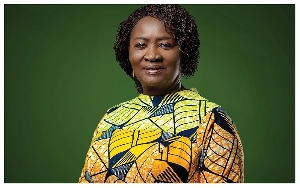
H.E. Prof. Naana Jane Opoku-Agyemang, Vice President of the Republic of Ghana, will officially launch the three legal instruments at the event, lending high-level government backing to the initiative and underscoring its significance within the administration’s broader social protection and gender equity agenda.
The launch is expected to draw participation from a wide range of stakeholders, including government institutions, development partners, civil society organisations, social protection programme stakeholders, the private sector, and traditional leaders.
This broad-based participation reflects the cross-cutting nature of social protection and gender equity issues, which require coordinated action across government, civil society and traditional governance structures to achieve meaningful impact.
Strengthening Ghana’s Social Protection Architecture
The launch of these three legal instruments builds on Ghana’s ongoing efforts to strengthen its social protection architecture, including existing programmes such as the Livelihood Empowerment Against Poverty (LEAP) initiative, which continues to provide support to vulnerable households across the country.
The new legal framework is expected to provide stronger institutional backing and coordination mechanisms for such programmes going forward.
The Affirmative Action (Gender Equity) Regulations, in particular, are expected to provide practical guidance for implementing the broader objectives of the 2024 Affirmative Action Act, which was designed to advance gender equity across various spheres of Ghanaian society, including employment, governance and economic participation.
As Ghana prepares for the official launch of these three legal instruments, attention will likely turn to how quickly the accompanying regulatory frameworks are operationalised across relevant government institutions, and how effectively they translate into measurable improvements in social protection delivery and gender equity outcomes for vulnerable and disadvantaged groups across the country.
The event is expected to set the tone for how government, development partners and civil society organisations collaborate in implementing these newly established legal frameworks in the months ahead.
READ MORE: Local Government Minister Seeks World Bank Support for Sustainable Cities