
Ghana’s inflation rate rose to 5.2% in September 2026, but the latest Consumer Price Index (CPI) data points to a more complicated picture for the energy sector: while inflation for housing, water, electricity, gas and other fuels eased, the category remained the single largest source of price pressure among the 13 divisions of the consumer basket.
The September figure represents a second consecutive monthly increase in headline inflation, after the rate moved from 4.6% in July to 5.0% in August and now 5.2% in September.
Although the annual rate remains substantially below the 9.4% recorded in September 2025, the reversal in the disinflation trend warrants closer attention, particularly because energy costs feed into transportation, manufacturing, agriculture and household expenditure.
For the energy sector, however, the data does not support a simple conclusion that higher electricity or utility tariffs drove September inflation. Instead, it shows that energy-linked costs remain embedded in Ghana’s broader cost structure even as some regulated prices have remained stable.
Energy-Linked Prices Still Carry Significant Weight
The housing, water, electricity, gas and other fuels division recorded annual inflation of 10.3% in September, making it the highest-inflation division in Ghana’s CPI basket.
That was nevertheless an improvement from the 11.6% recorded in August.
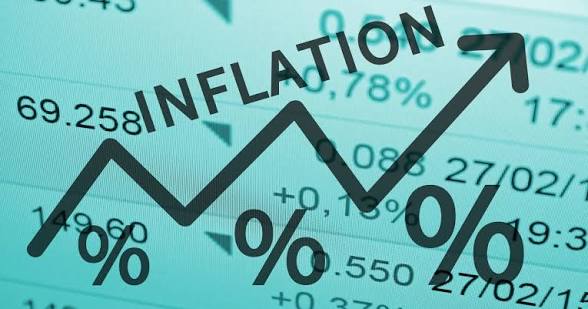
More importantly, the category contributed approximately 26% of total inflation in September, meaning that more than one-quarter of the overall inflation rate was associated with this broad expenditure division.
The distinction matters because the division is broader than electricity and petroleum products alone. It combines housing-related expenditure, water, electricity, gas and other fuels. Consequently, its 10.3% inflation rate should not be interpreted as a 10.3% increase in electricity tariffs or fuel prices.
“Housing, water, electricity, gas and other fuels has the highest rates of all the 13 divisions at 10.3 percent, down from 11.6 percent in August.”
The September outcome therefore presents something of a paradox. Energy-linked expenditure remains the largest contributor to inflation, yet the rate for the division itself has moderated.
That suggests the sector remains an important source of household cost pressure even while the intensity of that pressure has eased.
Stable Electricity Tariffs Do Not Remove Energy Cost Pressures
The September CPI data also needs to be considered alongside developments in electricity pricing.
The Public Utilities Regulatory Commission (PURC) announced in September that electricity and water tariffs would not be adjusted for the fourth quarter of 2026. The decision means that the rates approved for the third quarter would remain in place from October 1 through December 31.
The commission said its decision was based on movements in key variables including the cedi-dollar exchange rate, domestic inflation, the cost of natural gas and the composition of electricity generation between hydro and thermal sources.
That provides an important backdrop to the September inflation figures.
If electricity tariffs were held unchanged for the fourth quarter, then the persistence of high inflation within the broader housing, water, electricity, gas and fuels category cannot simply be attributed to a new fourth-quarter electricity tariff adjustment.
Instead, the September figure captures a wider range of household energy-related expenditure and other costs within the division.
This distinction is critical for policy. Holding regulated electricity tariffs steady can protect consumers from an immediate increase, but it does not eliminate the underlying costs that influence the energy system.
Ghana’s electricity pricing framework itself is exposed to variables such as exchange-rate movements, natural gas costs and the generation mix. PURC’s September decision explicitly incorporated those factors into its assessment.
Fuel Costs Continue To Feed Into The Wider Economy
The energy story also extends beyond electricity.
Transport inflation stood at 7.0% in September, while the country experienced renewed movements in petroleum prices during the month.
The National Petroleum Authority raised the price floors for petrol, diesel and LPG for the second pricing window beginning September 16, with petrol set at GH¢16 per litre, diesel at GH¢16.77 and LPG at GH¢10.97 per kilogramme.
That timing is relevant because petroleum prices have effects that extend well beyond motorists.
Fuel is an input into the movement of food and manufactured goods, commercial transportation, construction, logistics and a wide range of business operations.
Consequently, changes in petroleum prices can affect the wider cost base even when their immediate impact is not captured exclusively under the energy-related CPI division.
This is where Ghana’s inflation data becomes particularly important for energy policy.
Energy prices do not operate in isolation; they influence the cost of moving goods, running businesses and delivering essential services across the economy.
The relationship is especially important for Ghana because the country remains exposed to international energy markets. Changes in crude oil prices, refined petroleum product prices, foreign exchange conditions and domestic supply arrangements can all influence the final cost faced by consumers and businesses.
September Inflation Signals A Broader Cost Reversal
The energy figures become more significant when placed against the direction of headline inflation.
Ghana’s annual inflation rate fell sharply earlier in 2026, reaching 3.2% in March before subsequently rising to 4.6% in July, 5.0% in August and 5.2% in September.

The September increase was accompanied by a reversal in monthly price movements. Prices increased by 1.1% during September, compared with a 1.0% decline in August.
That change is arguably more important than the 0.2 percentage-point increase in the annual inflation rate itself.
It indicates that the economy entered September with stronger short-term price momentum. For an energy-dependent economy, sustained increases in input costs can eventually affect production and consumer prices even where individual regulated tariffs are unchanged.
The Government Statistician, Dr Alhassan Iddrisu, acknowledged the contrasting signals in the latest figures.
“Inflation has nearly halved over the year, but the direction over the last two months is upward. Both are facts and both matter.”
That assessment provides a useful lens through which to read the energy component.
Ghana has made considerable progress in reducing annual inflation, but the latest figures suggest that the gains cannot be treated as irreversible.
Energy Costs Remain A Competitiveness Issue
For businesses, the significance of the September energy figures goes beyond household budgets.
Energy is an operating cost for manufacturers, mines, commercial facilities, transport companies and small businesses. When energy costs remain elevated, firms must either absorb the additional cost, reduce margins or pass some of it on to consumers.

This makes the energy component of inflation particularly important for Ghana’s industrial ambitions.
The country’s recent producer price data provides another indication of the pressure further up the production chain. In August, electricity and gas services recorded annual producer inflation of 12.3%, although this was down from 13.3% in July. It remained the fastest-rising productive activity recorded in that PPI release.
The contrast is revealing.
Consumer inflation for the broad housing, water, electricity, gas and fuels category was 10.3% in September, while producer inflation for electricity and gas services stood at 12.3% in August.
This does not establish a direct one-to-one transmission between producer and consumer prices, but it reinforces the broader point that energy-related costs remain elevated across different parts of the economy.
For policymakers, that means inflation management cannot focus exclusively on headline consumer prices.
The Policy Challenge Is To Lower Costs Without Undermining Supply
The latest figures ultimately expose the difficult balance facing Ghana’s energy sector.
Consumers need protection from excessive energy costs, but utilities and energy companies also require sufficient revenue to maintain infrastructure, purchase fuel, invest in generation and transmission capacity and remain financially sustainable.
PURC’s decision to maintain electricity and water tariffs at zero adjustment for the fourth quarter demonstrates one route through which immediate consumer pressure can be contained.
Yet the underlying variables that determine electricity costs—particularly exchange rates, gas prices and the generation mix—remain relevant to the sector’s financial position.
At the same time, the petroleum market remains exposed to international price movements, meaning domestic consumers cannot be completely insulated from developments outside Ghana.
The September inflation data therefore presents a broader policy question: how can Ghana reduce the cost of energy without creating financial pressures that ultimately weaken the systems responsible for supplying it?
That question becomes even more urgent as Ghana seeks to expand industrial production, improve energy security and accelerate the transition towards cleaner sources.
The September figures offer some encouragement because energy-linked inflation has fallen from 11.6% to 10.3%. But with the category still contributing roughly 26% of headline inflation, the underlying challenge has not disappeared.
Ghana’s disinflation story is therefore no longer simply about bringing the headline rate down. It is increasingly about whether the country can make energy more affordable and predictable while maintaining the investment and infrastructure required to keep the economy running.
For households and businesses, that distinction could determine whether the recent gains in inflation translate into genuinely lower living and production costs—or merely slower increases in costs that remain structurally high.
READ ALSO: Ghana-India Deepen Agricultural Cooperation