Ghana is seeking to strengthen energy-sector cooperation with Italy as the government looks to attract investment, expand commercial partnerships and support the development of the country’s energy industry.
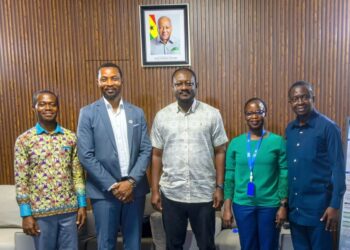
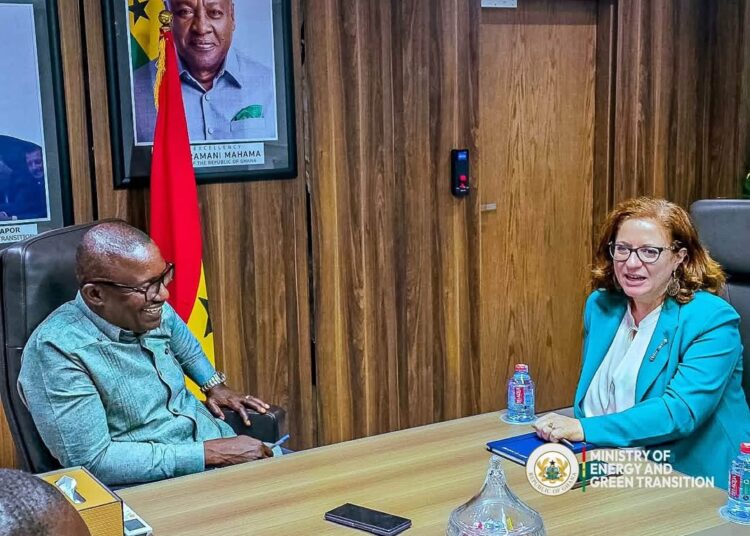
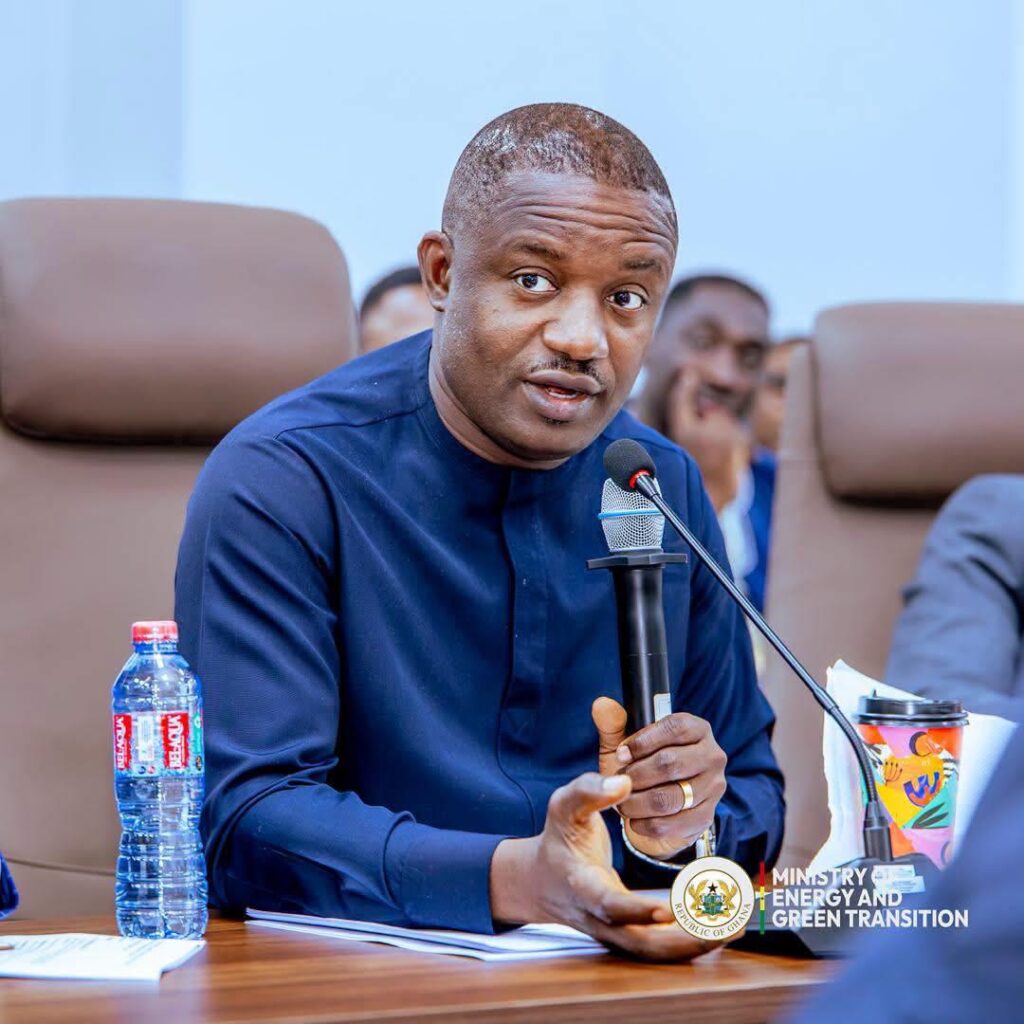
The push follows a meeting between Minister for Energy and Green Transition Dr John Abdulai Jinapor and Italy’s Ambassador to Ghana, H.E. Laura Ranalli, during which both sides discussed opportunities to deepen bilateral cooperation, particularly through partnerships with Italian companies.
In an announcement about the engagement, Dr Jinapor said the discussions focused on identifying investment opportunities that could advance Ghana’s energy sector, signalling the government’s continued interest in international partnerships to support its energy priorities.
“I was honoured to host H.E. Laura Ranalli, Ambassador of Italy to Ghana, for a productive and constructive engagement,” the minister said.
The meeting comes as Ghana continues to pursue investment across an energy value chain that includes oil and gas production, petroleum refining, natural gas infrastructure, electricity generation and the development of cleaner energy sources.
Securing financing, technology and technical expertise remains important to the country’s efforts to strengthen energy infrastructure and support wider economic activity.
However, while the engagement highlights the potential for closer cooperation between Ghana and Italy, the minister’s announcement did not disclose specific projects, investment figures, participating companies or agreements arising from the meeting.
The extent to which the discussions translate into tangible investment will depend on the opportunities identified and the subsequent negotiations between relevant stakeholders.
Italian Companies In Focus As Ghana Seeks Investment
A central element of the discussions was the prospect of working with Italian companies to unlock investment opportunities in Ghana’s energy sector.
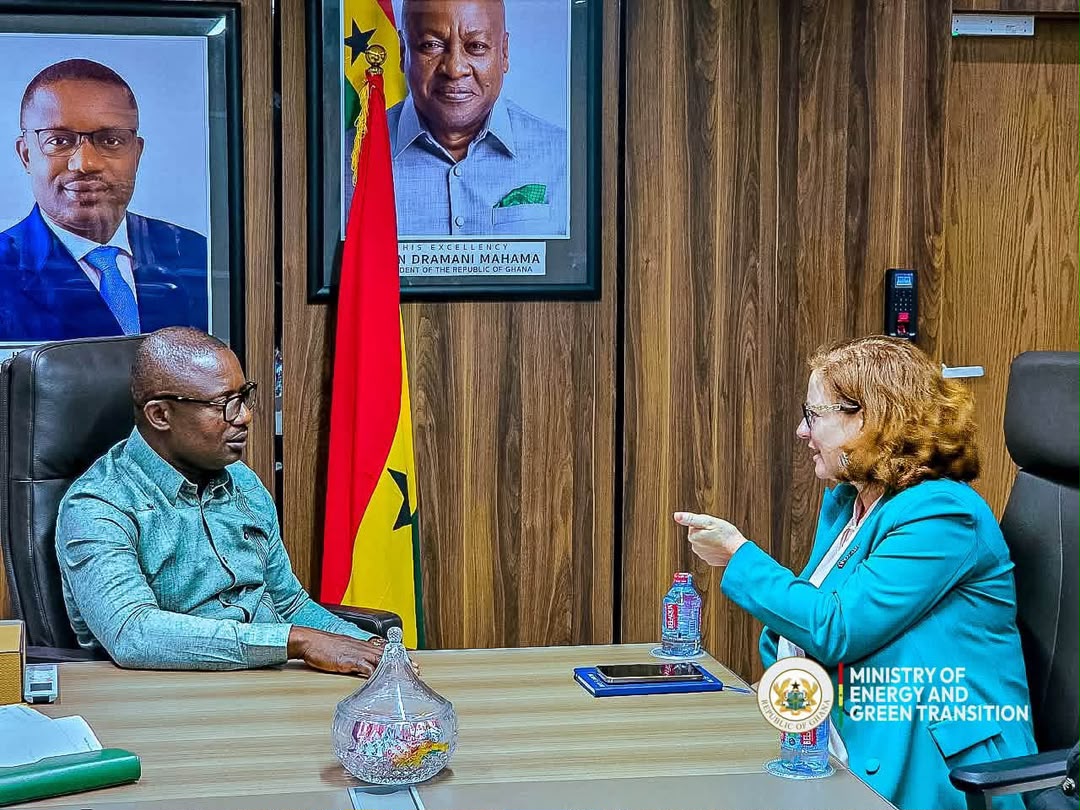
“Our discussions focused on strengthening Ghana–Italy cooperation, particularly in partnering with Italian companies to unlock investment opportunities and advance Ghana’s energy sector,”
Minister for Energy and Green Transition Dr John Abdulai Jinapor
The emphasis on commercial partnerships is significant because energy-sector development often requires more than government policy commitments.
Projects may depend on private capital, engineering expertise, technology providers, infrastructure developers and long-term arrangements that allow investors to assess risks and expected returns.
For Ghana, international partnerships can potentially support these requirements across several parts of the energy industry. In the petroleum sector, investment needs may involve production infrastructure, processing facilities and supporting services.
In electricity, capital and technical capabilities are important to expanding generation and improving the reliability of supply. The green transition also creates a need for investment in cleaner energy technologies and the infrastructure required to integrate them into the broader energy system.
These are potential areas of cooperation rather than confirmed outcomes of the meeting. Dr Jinapor did not specify which subsectors were discussed with Ambassador Ranalli or identify Italian companies that may participate in future projects.
Nevertheless, the focus on attracting companies suggests that the engagement is intended to strengthen the commercial dimension of Ghana–Italy relations, with energy serving as a potential area for investment and collaboration.
Energy Priorities And Ghana’s Development Agenda
Ghana’s energy priorities extend beyond increasing investment. The sector also has implications for industrial development, business operating costs, employment and the country’s ability to retain more economic value from its natural resources.
In oil and gas, the development of domestic infrastructure and processing capacity can influence how much value is retained within the economy. In the power sector, reliable electricity is important to households, commercial activity and industrial production.

Meanwhile, the transition towards cleaner energy requires investment decisions that balance energy security, affordability and environmental objectives.
Partnerships with international companies could help support these priorities where they bring suitable financing, technical knowledge and commercially viable solutions.
Their contribution, however, would depend on the terms of individual projects, the capacity of local firms to participate and the extent to which investments align with Ghana’s national development objectives.
For this reason, the value of the Ghana–Italy engagement will ultimately need to be assessed against its practical results. A diplomatic meeting can create opportunities for dialogue and establish a basis for cooperation, but project development requires further work to identify viable proposals, establish commercial arrangements and determine how investments will be financed and implemented.
The minister’s statement did not provide details on whether follow-up meetings had been scheduled or whether any specific investment proposals were under consideration.
Jinapor Signals Commitment To A Stronger Partnership
Dr Jinapor indicated that the government intends to build on the engagement and deepen relations with Italy in support of Ghana’s energy and economic objectives.
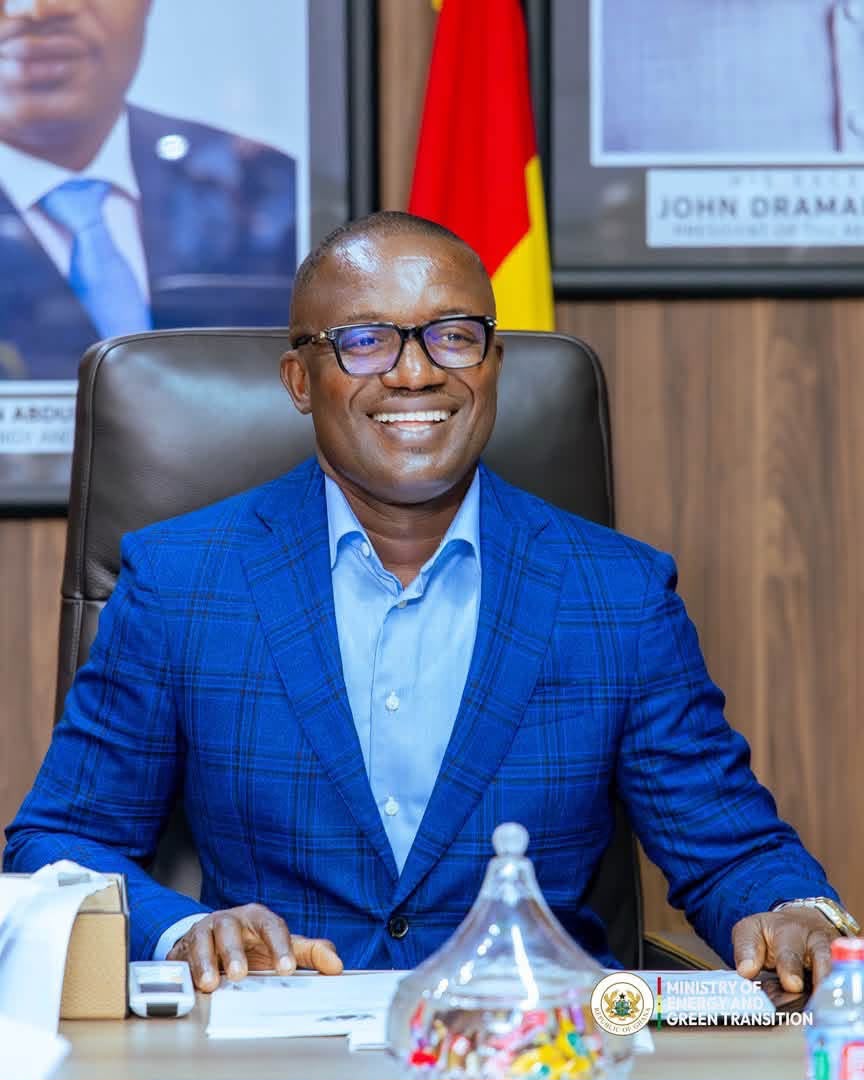
“I look forward to deepening this strategic partnership in support of Ghana’s energy priorities and sustainable economic growth,” he said.
The statement places the meeting within a broader effort to use international cooperation to advance domestic priorities.
For Ghana, the potential benefit of stronger bilateral engagement would lie in attracting partnerships that can contribute to infrastructure development, technical capacity and investment across the energy value chain.
Italy’s prospective contribution would depend on the interest and capabilities of its companies, as well as the availability of projects that meet commercial and strategic requirements.
Any future collaboration would also need to establish clear expectations regarding financing, implementation, local participation and the outcomes expected from individual investments.
Such considerations are particularly important in an industry where projects can require substantial upfront capital, specialised expertise and long development periods.
Turning expressions of interest into operational assets therefore requires a clear path from diplomatic engagement to project identification, negotiation and execution.
From Diplomatic Engagement To Investment Outcomes
The meeting between Dr Jinapor and Ambassador Ranalli provides a basis for further engagement between Ghana and Italy, with energy investment identified as a central area of interest. Yet the announcement offers no indication that a specific deal has been concluded.
The next stage will be determining whether the discussions generate concrete opportunities for Italian companies to participate in Ghana’s energy sector.
That could involve identifying projects, assessing investment requirements and establishing partnerships suited to Ghana’s energy priorities, although no such arrangements have yet been publicly confirmed in the minister’s statement.
For Ghana, the objective will be to ensure that international cooperation translates into measurable economic and energy-sector benefits.
For prospective investors, the commercial viability of individual opportunities and the conditions under which projects can be developed will be central to their decisions.
Dr Jinapor’s commitment to deepening the relationship signals an intention to continue the dialogue. Whether that engagement results in new investment, technology partnerships or infrastructure development will become clearer as further details emerge.
For now, the meeting underscores the government’s interest in strengthening Ghana–Italy cooperation and exploring how partnerships with Italian companies could support the country’s energy ambitions and sustainable economic growth.
READ ALSO: Qatar’s Emir Vows Economic Resilience Amid Regional Crisis